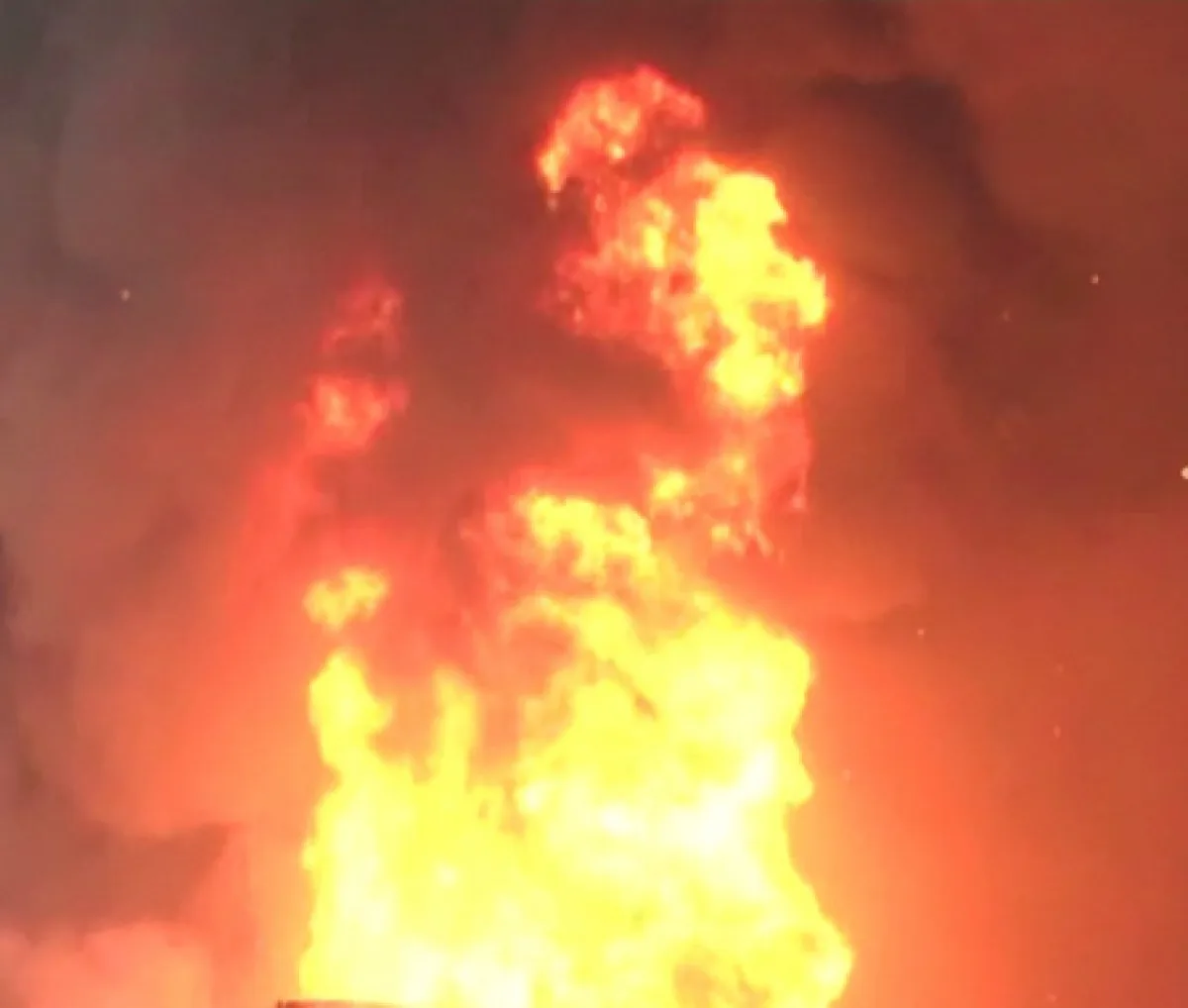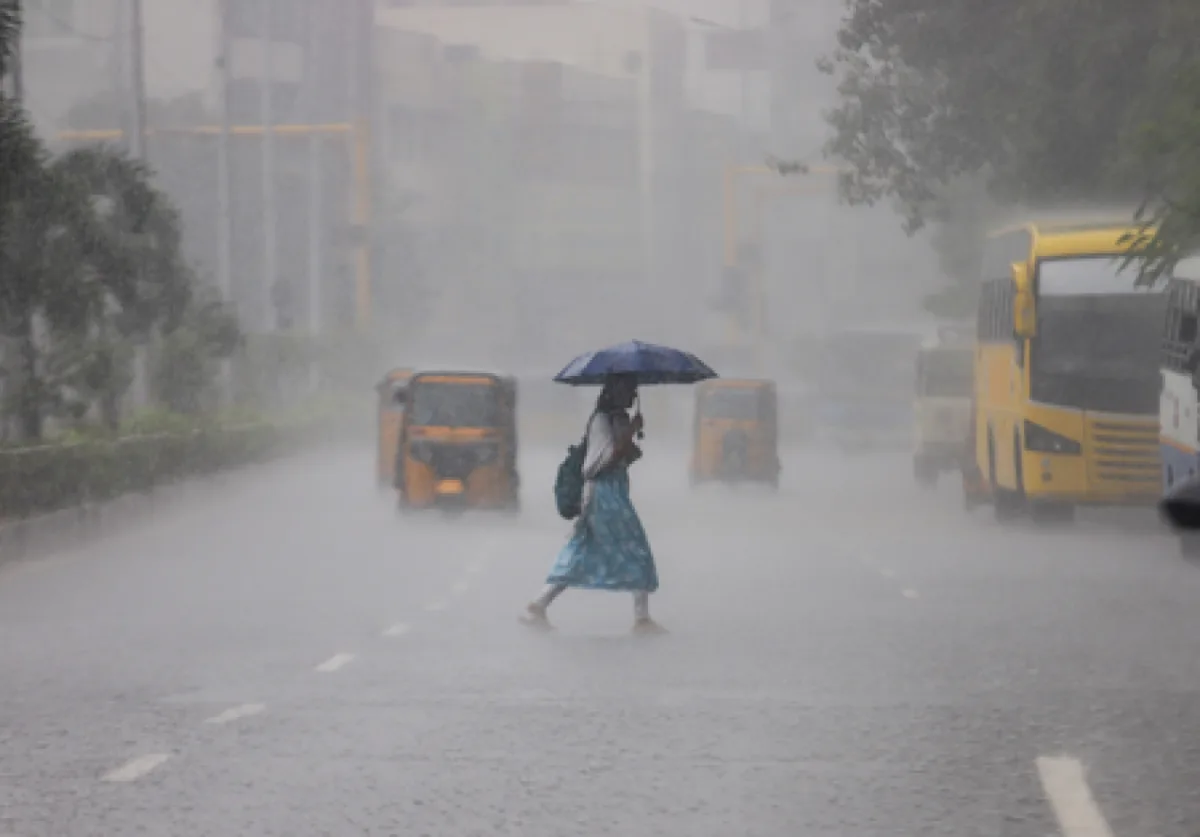

Rise in incidence of Cyclones and Floods


The details of Cyclones formed over North Indian Ocean during 2017 to 2019 follow:
| YEAR | Frequency of Cyclones over | Total number of cyclones | Intensity with that of Severe Cyclones or more | |
| Arabian Sea | Bay of Bengal | |||
| 2017 | 1 | 2 | 3 | 2 |
| 2018 | 3 | 4 | 7 | 6 |
| 2019 | 5 | 3 | 8 | 6 |
The occurrence of 5 cyclones over Arabian Sea in 2019 against the normal of 1 per year equals the previous record of 1902 for the highest annual cyclone frequency over Arabian Sea. Also 2019 witnessed development of more intense cyclones over Arabian Sea.
Regarding flood, it is mentioned that, the country has witnessed intense to very intense rainfall activity leading to flood scenario in the recent past. The number of stations reported Very Heavy and Extreme Heavy rainfall in the last three years, from 2017 to 2019, follow:
| YEAR | Number of stations reported during SW Monsoon season (June to September) | |
| Very Heavy Rainfall (115.6-204.4 mm) | Extremely Heavy Rainfall (204.5 mm or more) | |
| 2017 | 1824 | 261 |
| 2018 | 2181 | 321 |
| 2019 | 3056 | 554 |
The data shows that there is a steady increase in the number of heavy rainfall events during the last three years.
IMD uses a suite of quality observations from satellites, radars and conventional & automatic weather stations for monitoring of cyclones and prediction of weather. It includes INSAT 3D, 3DR and SCATSAT satellites, Doppler Weather Radars (DWRs) along the coast and Automated Weather Stations (AWS), Automatic Rain Gauges (ARGs), meteorological buoys and ships. Operational implementation of improved suite of prediction models has enhanced the weather forecasting capability through assimilation of all available global satellite radiance & Radar data for the production of forecast products at 12 km grid globally and 3 km grid over India/regional/mega city domains.
Further improvements in the observational network and numerical modelling are in progress under the scheme Atmosphere & Climate Research – Modelling Observing Systems & Services (ACROSS) for betterment of forecasting natural disasters like cyclone and heavy rainfall with respect to accuracy, lead time and spatial resolution.
This information was given in a written reply by the Minister of Science and Technology, Earth Sciences, and Health & Family Welfare, Dr Harsh Vardhan in Lok Sabha on September 23, 2020.

Bhupendra Singh Chundawat is a seasoned technology journalist with over 22 years of experience in the media industry. He specializes in covering the global technology landscape, with a deep focus on manufacturing trends and the geopolitical impact on tech companies. Currently serving as the Editor at Udaipur Kiran, his insights are shaped by decades of hands-on reporting and editorial leadership in the fast-evolving world of technology.