

Paweł Basta Discusses Robotic Surgery Advances at ESGE 2026 Conference
Paweł Basta outlined the advancements in robotic surgery and the evolving strategies in treating cancers like ovarian and endometrial, emphasizing patient-centered care.

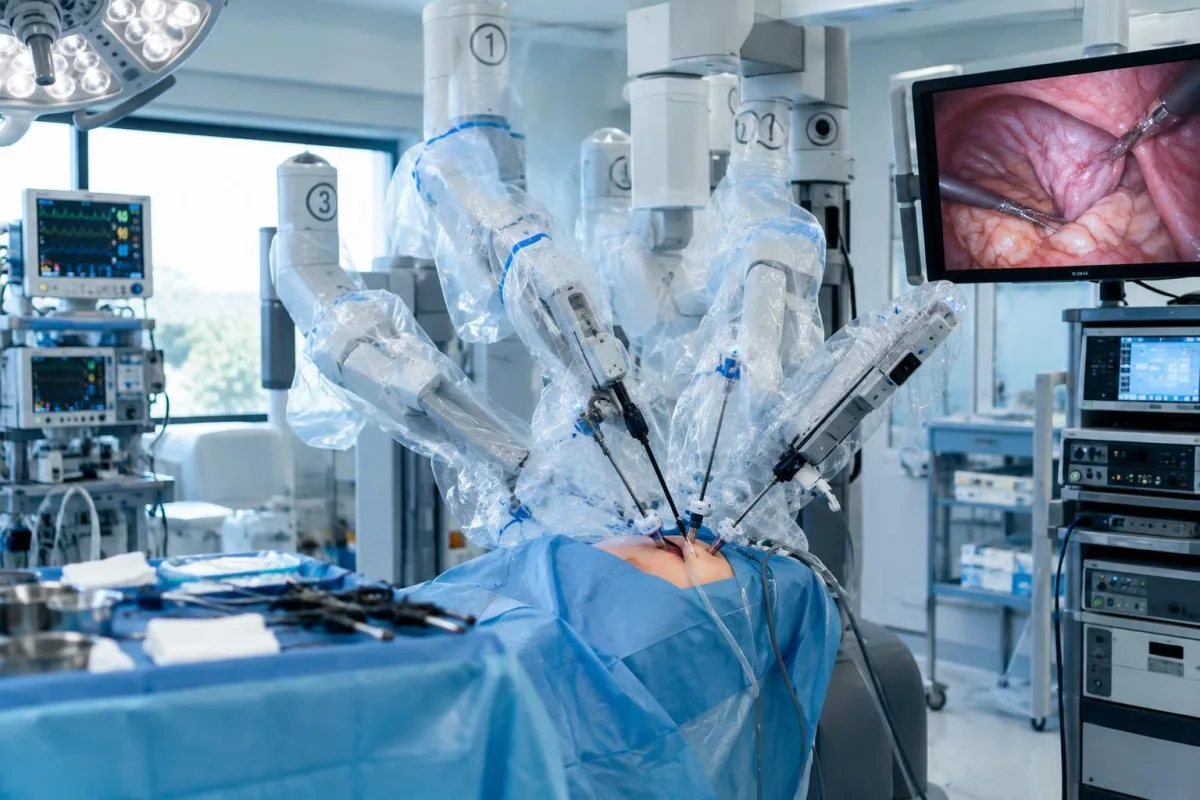
Paweł Basta discussed advancements in robotic surgery during an interview related to the ESGE 2026 conference. As the acting head of the Department of Gynaecology and Gynaecological Oncology at the University Hospital in Kraków, Basta emphasized that robotic access enhances the capability to perform radical surgeries compared to traditional laparoscopic techniques.
His department initiated robotic procedures for ovarian cancer two years ago, and he anticipates further improvements in their surgical practices. Basta explained that treatment selection for endometriosis is particularly nuanced compared to cancer care, which often follows well-defined guidelines.
“Endometriosis can be a debilitating, lifelong disease,” Basta said, advocating for a conservative treatment approach until it is ineffective. Surgery is typically reserved for patients whose symptoms are severe or unresponsive to medication.
Currently, there is a significant shift in patient management, with many now facing lengthy waits for diagnostic assessments like ultrasounds and MRIs rather than surgery itself. This trend indicates a growing emphasis on accurate diagnosis and tailored treatment.
When it comes to cancer care, Basta noted that the approach varies by cancer type. For cervical cancer, surgeries have become less extensive, while other cancers, such as ovarian cancer, require thorough surgical procedures for better survival rates. He noted that systemic treatment is crucial, especially since ovarian cancer often spreads before diagnosis.
Basta remarked on the evolution of the European Society of Gynaecological Oncology (ESGO), which has expanded significantly over the past 25 years. The society has played a critical role in standardizing treatment pathways across Europe. He stated, “I see differences between individual centres, but I do not think there are necessarily major differences between countries.”
He also addressed challenges in training due to increasing reliance on robotic surgery. Traditional training models are evolving, and he believes that simulators, AI tools, and new training methods will be vital for future surgeons. “The pathway is very different from traditional surgical training,” he emphasized.
Looking ahead, Basta indicated that discussions around technology’s role in surgery, including robotic systems and AI, will become increasingly critical. He expressed caution about fully integrating these technologies, as it raises essential questions about human versus machine autonomy in surgical settings.

Bhupendra Singh Chundawat is a seasoned technology journalist with over 22 years of experience in the media industry. He specializes in covering the global technology landscape, with a deep focus on manufacturing trends and the geopolitical impact on tech companies. Currently serving as the Editor at Udaipur Kiran, his insights are shaped by decades of hands-on reporting and editorial leadership in the fast-evolving world of technology.