

Emerging MAPK-targeted Therapies for Melanoma Beyond BRAF V600
New developments in melanoma treatment focus on targeting MAPK pathways, especially for cases not involving BRAF V600 mutations.

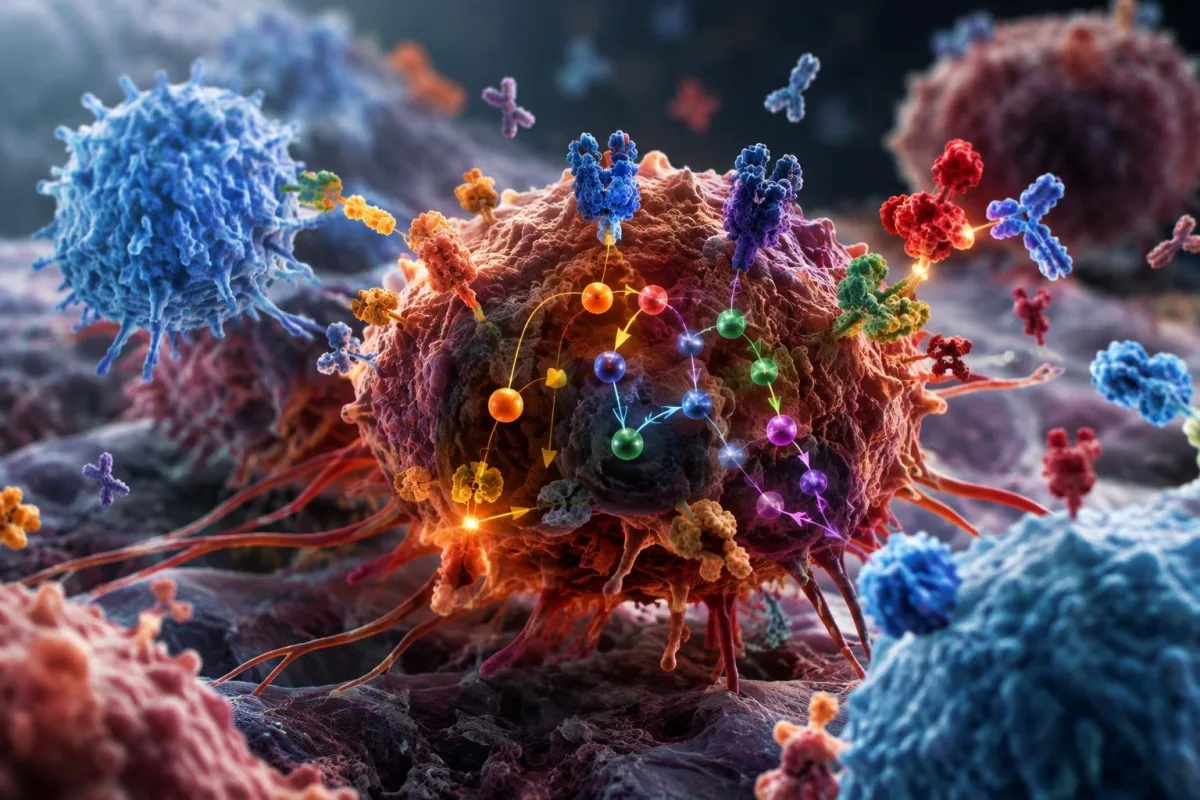
Recent research is spotlighting emerging therapeutic strategies for melanoma that target mitogen-activated protein kinase (MAPK) pathways, especially in cases without BRAF V600 mutations. While BRAF inhibitors have benefitted about 40-50% of melanoma patients, those with NRAS mutations and other genetic alterations face limited options.
NRAS mutations, the second most prevalent oncogenic driver in melanoma, are found in approximately 20-30% of cases. These tumors signal through a more complex network, making traditional BRAF inhibitors less effective. The NEMO trial showed that the MEK inhibitor binimetinib offered only modest progression-free survival increases without significant overall survival benefits. Consequently, immune checkpoint blockade remains the primary treatment for these patients, as no targeted therapies have received regulatory approval.
New findings in structural biology have led to novel therapeutic agents designed to alter protein interactions rather than solely inhibit kinases. Type II pan-RAF inhibitors, which affect various RAF isoforms and target NRAS-driven tumors, have demonstrated promising antitumor activity in clinical trials. Additional innovative approaches include RAF-MEK molecular glues and proteolysis-targeting chimeras (PROTACs), expanding potential treatments for various malignancies characterized by genetic alterations related to RAS.
The recent success of KRAS G12C inhibitors in treating non-small cell lung cancer has transformed views on RAS as a therapeutic target. This success has spurred the development of next-generation pan-RAS inhibitors, potentially beneficial for tumors driven by NRAS mutations or NF1 loss. Although these agents are not yet in advanced testing for melanoma, their mechanisms suggest they could offer new treatment avenues.
Understanding the adaptive resistance mechanisms involving focal adhesion kinase (FAK) and other pathways may lead to combination therapies that address both primary signaling and resistance. This holistic approach could redefine treatment paradigms in precision medicine for melanoma and other cancers driven by MAPK signaling.
Sources

Bhupendra Singh Chundawat is a seasoned technology journalist with over 22 years of experience in the media industry. He specializes in covering the global technology landscape, with a deep focus on manufacturing trends and the geopolitical impact on tech companies. Currently serving as the Editor at Udaipur Kiran, his insights are shaped by decades of hands-on reporting and editorial leadership in the fast-evolving world of technology.