

Udaipur, March 9, 2026 (Udaipur Kiran): The Central Government has implemented the ‘One State–One Rural Bank’ policy in 12 states across the country, and the initiative will be expanded further in the next phase. The decision has been taken to enhance the operational capacity of rural banks, reduce costs, increase credit availability, adopt new technologies, and ensure continuity of employment for bank staff.

Under this policy, Baroda Rajasthan Kshetriya Gramin Bank and Rajasthan Marudhara Gramin Bank have been merged to form the Rajasthan Gramin Bank (RGB) in Rajasthan.
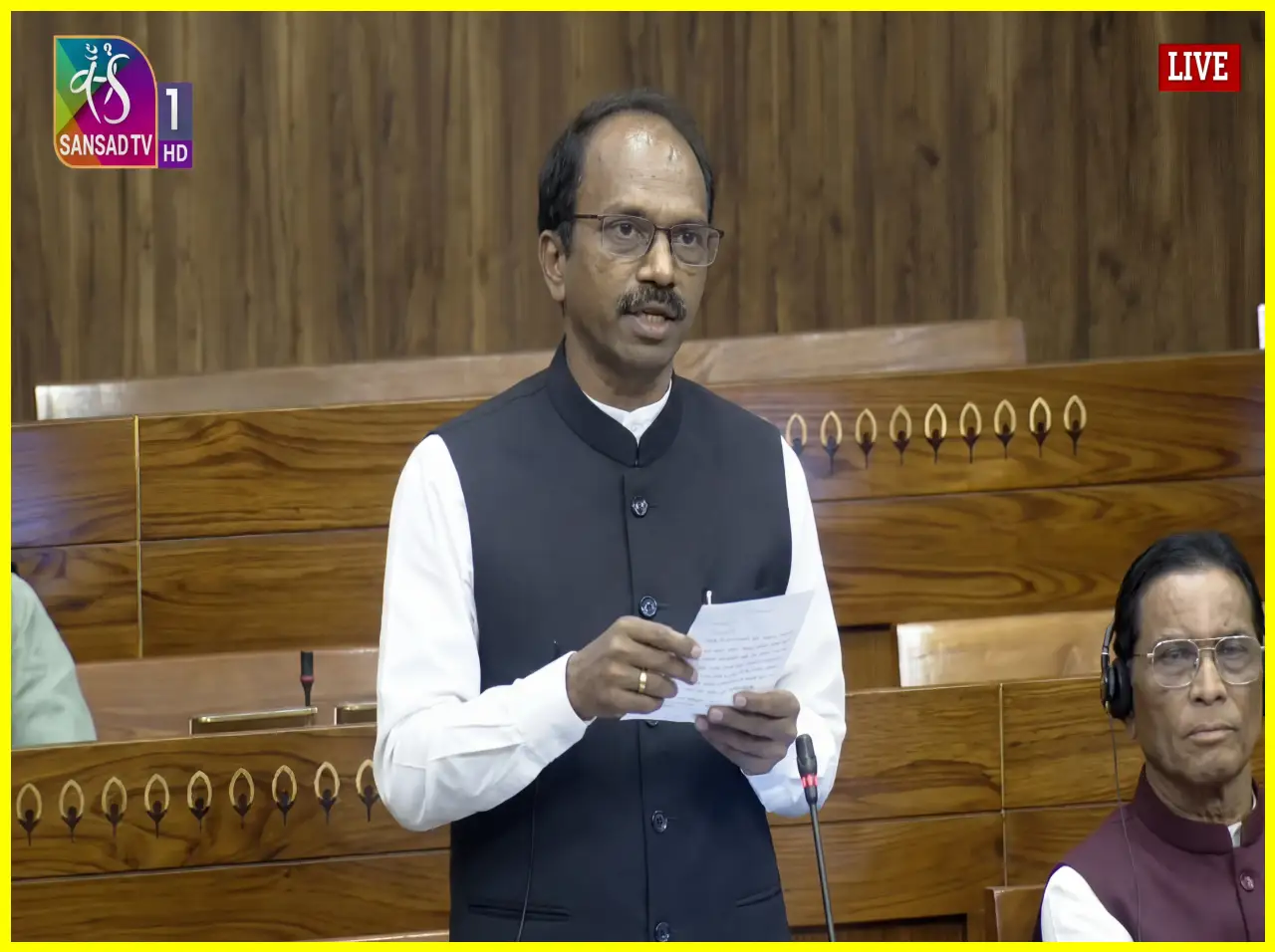
This information was shared by Minister of State for Finance Pankaj Chaudhary in Parliament in response to an unstarred question raised by MP Dr. Mannalal Rawat. The MP had sought details on whether the government had decided to implement the one state–one rural bank policy, in which states rural banks had been merged so far, and how the integration would affect banking services, credit distribution, financial inclusion and employment in rural areas.
Responding to the question, the Minister of State for Finance said that guided by the principle of ‘One State–One Regional Rural Bank (RRB)’, the government has carried out the consolidation of RRBs in consultation with state governments, NABARD, and sponsor banks. The move has been implemented using powers provided under Section 23A of the Regional Rural Banks Act, 1976.
The objective of this consolidation is to improve economies of scale, rationalise costs, strengthen capital base, promote adoption of technology, and enhance visibility and branding of the banks. As a result of the merger process, the total number of Regional Rural Banks in the country has reduced from 43 to 28.
Under the One State–One RRB principle, mergers have been carried out in 12 states and union territories, including Andhra Pradesh, Bihar, Gujarat, Jammu and Kashmir, Karnataka, Madhya Pradesh, Maharashtra, Odisha, Rajasthan, Telangana, Uttar Pradesh and West Bengal.
The minister stated that the consolidation of regional rural banks is expected to provide several benefits and is likely to have a positive impact on banking services, credit distribution, financial inclusion, and overall operational efficiency in rural areas.

Bhupendra Singh Chundawat is a seasoned technology journalist with over 22 years of experience in the media industry. He specializes in covering the global technology landscape, with a deep focus on manufacturing trends and the geopolitical impact on tech companies. Currently serving as the Editor at Udaipur Kiran, his insights are shaped by decades of hands-on reporting and editorial leadership in the fast-evolving world of technology.