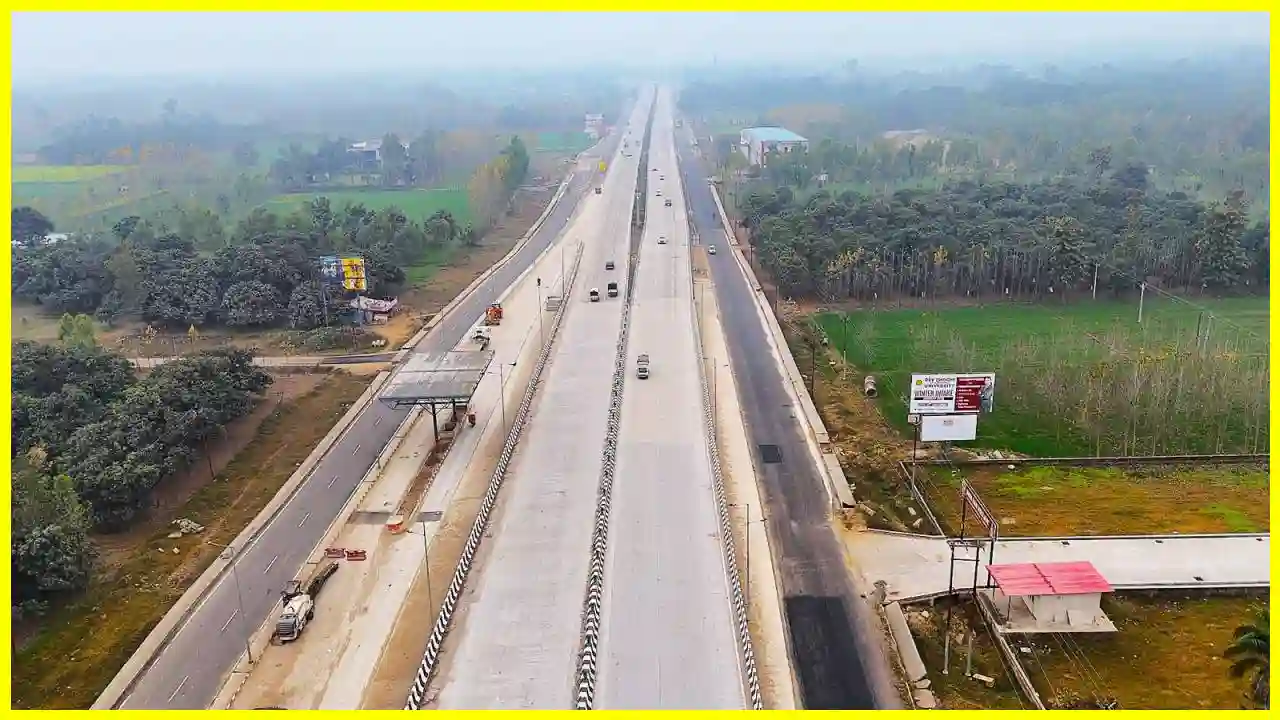
The Delhi-Dehradun Expressway has transformed the once lengthy and traffic-laden journey into a smoother travel experience.
The expressway, inaugurated on April 14, 2026, has significantly eased travel for passengers, eliminating traffic congestion and fatigue. Photo: ITG.
A 213 km expressway from Akshardham to Dehradun has been completed with a budget of ₹12,000 crore, featuring high-speed and modern facilities.
A six-lane access-controlled corridor has been constructed on the expressway, enabling uninterrupted and rapid traffic flow. Photo: ITG
A total of 113 underpasses, 62 bus shelters, and approximately 76 km of service roads have been constructed to facilitate local movement.
Travel to Haridwar, Char Dham, Dehradun, and Mussoorie has become faster and easier with the new expressway, enhancing connectivity for commuters.
Strict traffic enforcement on the expressway includes hefty fines for overspeeding and lane violations detected by electronic cameras.
Entry of two-wheelers, autos, e-rickshaws, and tractors is completely banned on this expressway due to high-speed traffic concerns.
Rajaji National Park enforces a ban on honking along its 12 km elevated corridor to protect wildlife.
Use of low beam headlights at night and adherence to speed limits is mandatory in wildlife areas.
Before embarking on a journey, ensure thorough vehicle inspection. Currently, there are no petrol pumps or EV charging stations available, making it essential to keep the fuel tank full.
Active FASTag is mandatory for smooth toll passage on the expressway, with an annual pass available for Rs. 3,075.
The annual pass allows free travel for one year or up to 200 trips, whichever comes first.