NASA’s Swift Telescope Ends Operations, Prepares for Re-entry
NASA's Swift Observatory ceased its scientific operations after nearly 22 years, preparing for re-entry into Earth’s atmosphere.
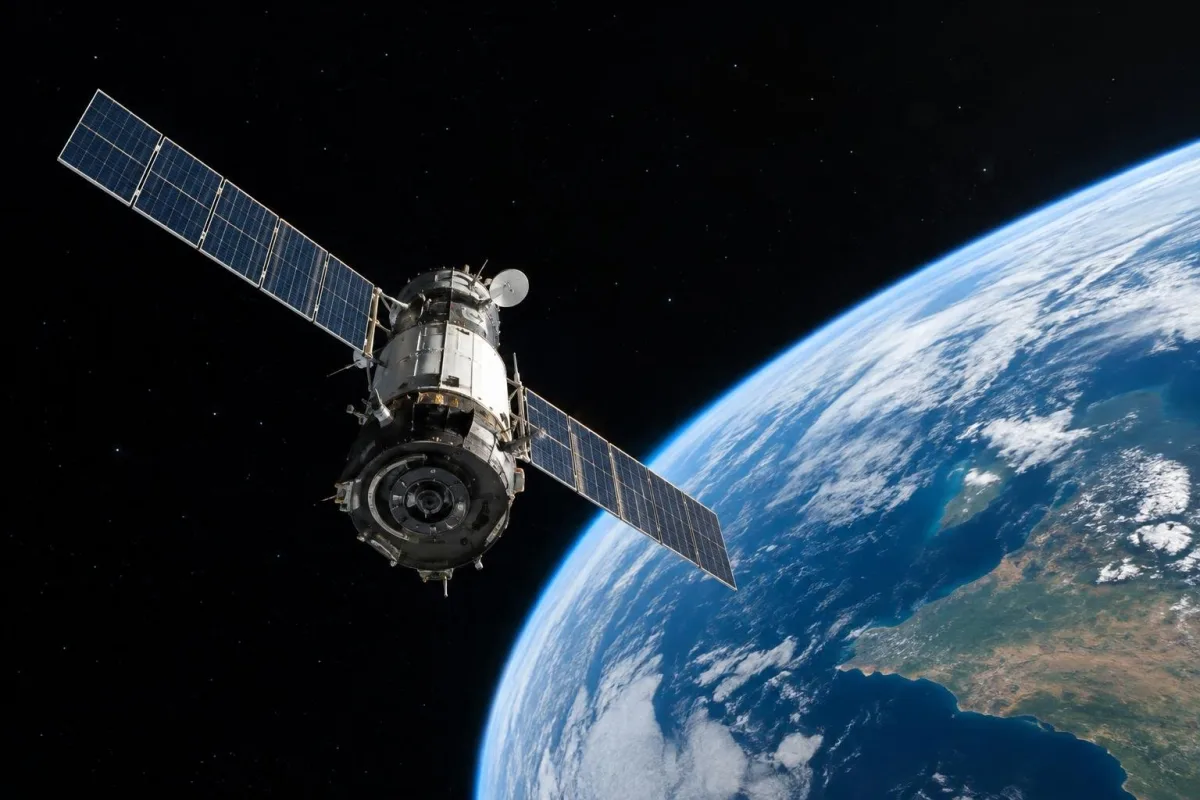

WASHINGTON, Oct 26: NASA’s Neil Gehrels Swift Observatory has concluded its science operations as the spacecraft orbits at an altitude below 275 kilometers, where increased atmospheric drag hinders its telescopes’ steady observations. The final observation occurred on October 20, 2026, and the observatory is expected to re-enter the atmosphere in the coming weeks.
Swift, launched in November 2004, was instrumental in studying gamma-ray bursts and other high-energy cosmic phenomena. It was initially designed for a two-year mission but ultimately operated for nearly 22 years, contributing significantly to our understanding of the universe.
According to NASA, the increased atmospheric drag resulted from heightened solar activity. This condition prevented the observatory from maintaining altitude, forcing it into safe mode on October 20 as it descended rapidly. A planned mission to boost its orbit with a commercial spacecraft was abandoned earlier in August.
Shawn Domagal-Goldman, director of the Astrophysics Division at NASA, remarked, “Swift delivered an incredible, lasting return on investment for the nation,” noting its contributions to rapid-response observations in astrophysics.
Throughout its operational life, Swift observed and studied over 2,000 gamma-ray bursts, 1,400 supernova explosions, and various other cosmic events. The observatory’s data has been foundational, contributing to approximately 7,000 published scientific papers.
The Swift archive houses around 12 terabytes of valuable data, including more than 1.5 million images from its Ultraviolet/Optical Telescope. Even after the mission’s conclusion, this extensive archive will remain accessible for researchers worldwide.
NASA is currently exploring new ways to quickly respond to cosmic events using existing space telescope capabilities, ensuring that the legacy of Swift continues through new missions and observational strategies.

Bhupendra Singh Chundawat is a seasoned technology journalist with over 22 years of experience in the media industry. He specializes in covering the global technology landscape, with a deep focus on manufacturing trends and the geopolitical impact on tech companies. Currently serving as the Editor at Udaipur Kiran, his insights are shaped by decades of hands-on reporting and editorial leadership in the fast-evolving world of technology.