

Apple Launches Study on AI Tools for Health in the U.S.
Apple has launched the Health AI Usage Study in the U.S. to explore interactions with health AI tools, partnering with OpenEvidence for insights.

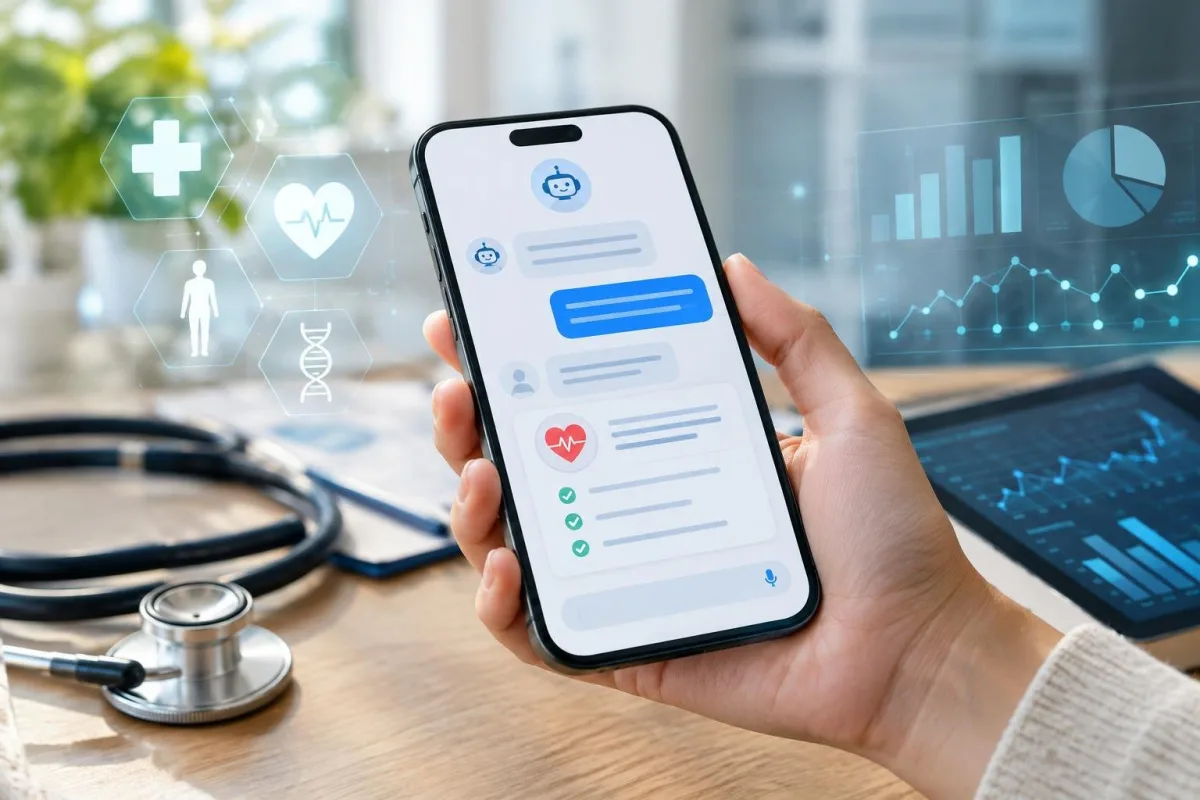
NEW DELHI, Nov 16: Apple has initiated the Apple Health AI Usage Study in the United States, aiming to understand user interactions with health-related artificial intelligence tools. This initiative, launched in collaboration with clinical AI platform OpenEvidence, focuses on evaluating factors such as user trust and the quality of AI-generated responses.
The study invites U.S. residents aged 21 and older, specifically those using an iPhone 15 or later with iOS 26, to participate. Apple plans to enroll up to 200,000 participants over a duration of more than 12 months. Through a dedicated app, users can pose health-related questions and receive clinically grounded answers, supported by peer-reviewed medical literature from sources like The New England Journal of Medicine and JAMA.
Apple stated that the app aims to provide simplified responses, allowing users to rate the accuracy and relevance of the information received. Participants can also choose to share personal health data from HealthKit, such as resting heart rate and sleep patterns, to enhance the app’s suggestions. The app aims to inform users and assist in preparing them for medical appointments.
Sumbul Desai, M.D., Apple’s Vice President of Health and Fitness, emphasized the significance of this research, stating, “Health is deeply personal, and conducting a dedicated research study is the most thoughtful way to understand how people engage with, comprehend and evaluate health AI in everyday life.” Desai noted that insights from the study will contribute to the broader understanding of health technology.
The study is designed with privacy at its core; Apple confirmed that participant data will not be used to train AI models. Any shared health information will be anonymized and securely managed, with strict protocols in place to protect user privacy.
Robert M. Wachter, M.D., discussed the importance of connecting patients and clinicians with reliable AI tools, stating, “When patients and doctors draw on versions of the same trustworthy tools, patients arrive prepared, conversations improve and next steps happen seamlessly.” This reflects the study’s goal of understanding how reliable AI can bridge information gaps between healthcare providers and patients.
The app is available for download now, marking Apple’s entry into the realm of health-focused AI studies akin to existing services offered by other tech companies. Apple aims to use the findings not just for potential product development but to inform best practices in health AI technology.