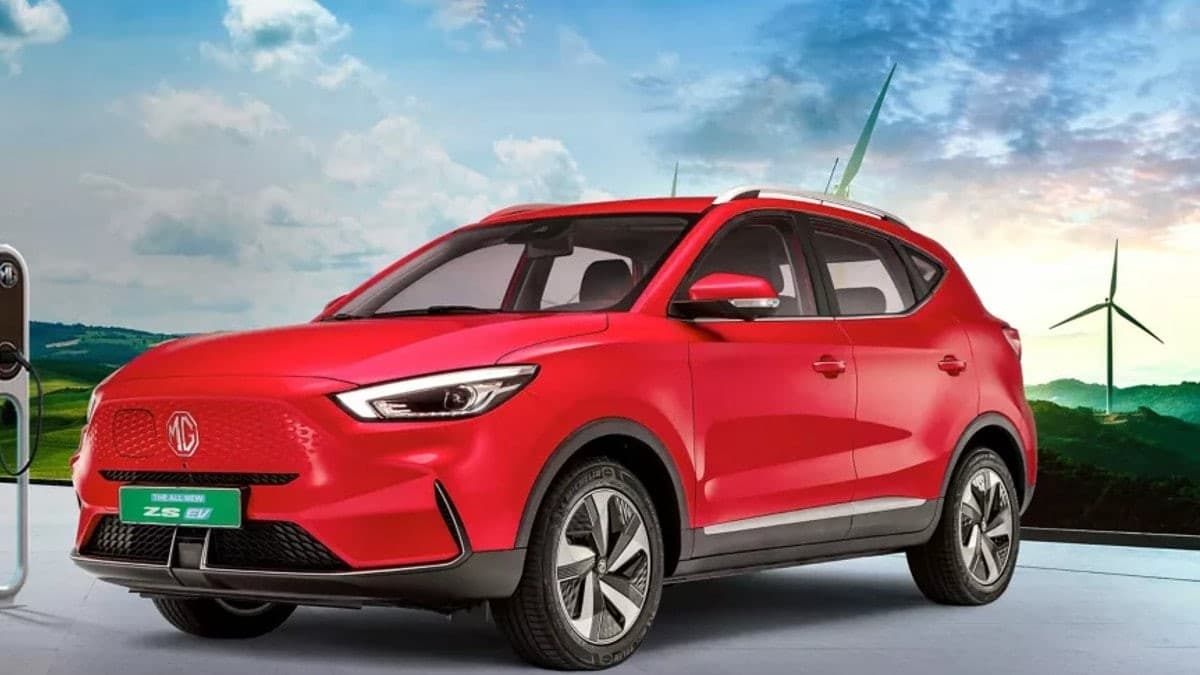
In recent years, the sales of electric vehicles (EVs) in India have seen a significant increase. In the second quarter of this year, MG Motor experienced a growth of 39% in the EV segment. The company currently offers the ZS EV and Comet EV in the Indian market, with these EVs accounting for approximately 40% of its total sales.
The ZS EV has delivered an outstanding performance for the company, with its sales nearly doubling by 95% in the second quarter. The Comet EV is positioned as the most affordable electric car in the country. Following Tata Motors, MG Motor stands as the second-largest manufacturer of electric vehicles in India. The company is also gearing up to launch its third EV in the country, with testing already underway.
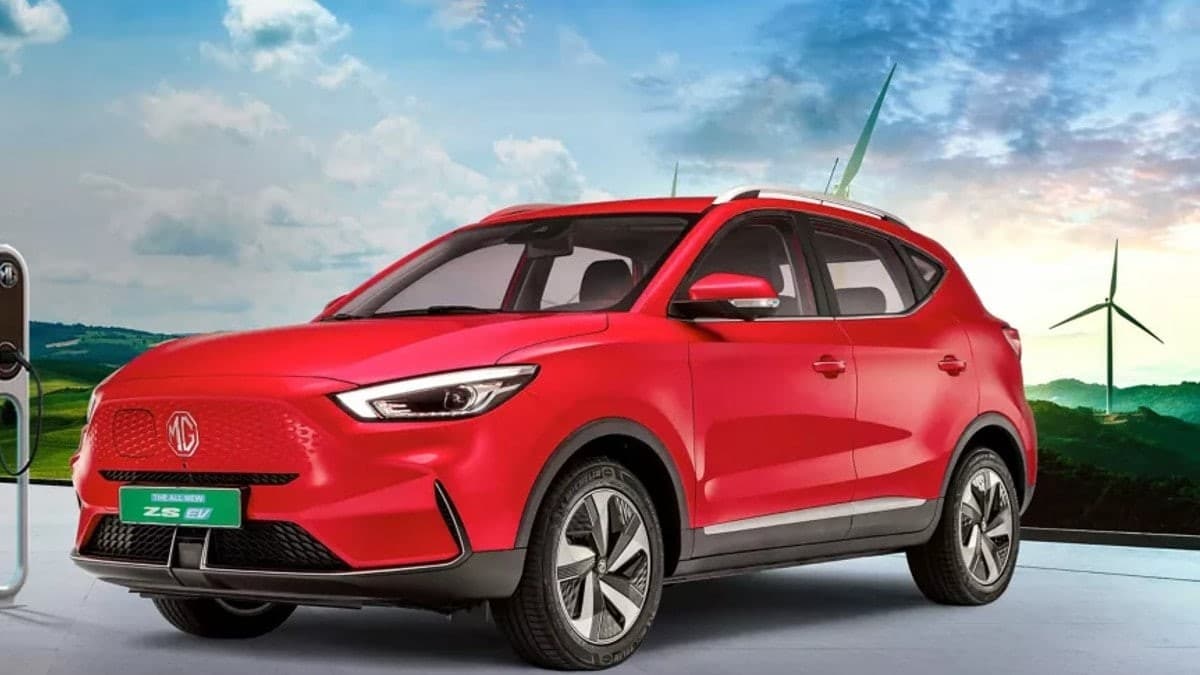
The ZS EV is available in two variants, Excite and Exclusive, and offers six charging options including DC super fast chargers, AC fast chargers, and portable chargers. MG Motor also provides free installation of chargers at customers’ homes or offices. The company claims that the ZS EV can accelerate from 0 to 100 kmph in just 8.5 seconds. It features a 50.3 kWh battery pack paired with a permanent magnetic synchronous motor, delivering 174 bhp of power. Last year, the company received an order for 500 units of the ZS EV from EV ride-sharing platform BluSmart Mobility.
The Comet EV is available in three variants and offers a range of approximately 230 kilometers. It comes with 12-inch steel wheels and is powered by a 17.3 kWh battery. This two-door, four-seat sub-compact hatchback has dimensions of 2,974 mm in length, 1,505 mm in width, and 1,631 mm in height. Its electric motor generates 41.42 bhp of power and 110 Nm of torque. The Comet EV is equipped with a 3.3 kWh charger that can fully charge the battery in seven hours. The car features two 10.25-inch screens, one for the instrument cluster and the other for infotainment, and supports both Apple CarPlay and Android Auto.
Bhupendra Singh Chundawat is a seasoned technology journalist with over 22 years of experience in the media industry. He specializes in covering the global technology landscape, with a deep focus on manufacturing trends and the geopolitical impact on tech companies. Currently serving as the Editor at Udaipur Kiran, his insights are shaped by decades of hands-on reporting and editorial leadership in the fast-evolving world of technology.