

Israelis Vote in Election After Hamas Attacks, Netanyahu Faces Scrutiny
Israelis are voting in a closely watched election, with initial results anticipated shortly after polls close.

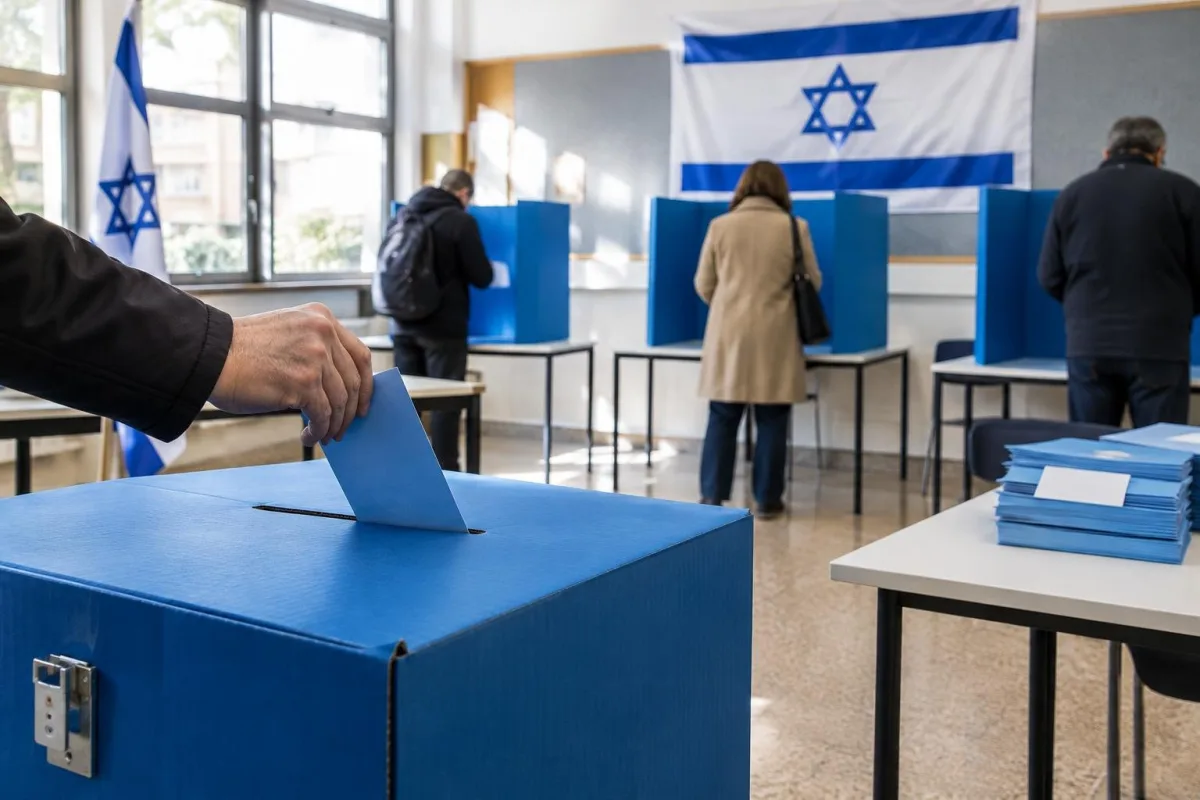
Israelis are participating in an election that may influence the country’s future, occurring after the 2023 attacks by Hamas in southern Israel. This election is the first since the outbreak of conflict and comes as Prime Minister Benjamin Netanyahu faces scrutiny over various issues, including leadership failures and allegations of corruption.
Polling opened at 7 a.m. local time on October 27 and is set to close at 10 p.m. Reports leading up to the election suggest that Netanyahu’s coalition might be slightly trailing the opposition led by former military chief Gadi Eisenkot. The Israeli parliament, known as the Knesset, has 120 seats, and a party needs 61 seats to form a majority government.
As of recent polls, Netanyahu’s coalition was projected to win around 50 seats, while Eisenkot’s bloc was expected to secure 54 seats, according to the Israeli news outlet Haaretz.
Approximately 7.3 million Israelis are eligible to vote, including 1.2 million Palestinian citizens of Israel. Votes cast by Israelis living abroad are not counted, except for diplomats who voted ahead of the election.
Initial exit poll results are expected shortly after polls close, but a clear picture of the results may take longer, particularly if no party achieves a majority. Official results will be published on November 4, a week after the election.
Under Israel’s proportional representation system, voters choose parties rather than individual candidates, meaning the number of Knesset seats a party secures directly correlates with its share of the vote. For a party to qualify for seats, it must obtain at least 3.25 percent of the national vote.
Once the results are in, President Isaac Herzog will consult with party leaders to identify a candidate for prime minister, who will then have up to 42 days to form a government. If no coalition emerges, the existing government, led by Netanyahu, will continue in a caretaker capacity. Eisenkot urged voters at the polls to replace what he called the “worst government” in Israeli history, emphasizing the need for citizens to participate actively.

Bhupendra Singh Chundawat is a seasoned technology journalist with over 22 years of experience in the media industry. He specializes in covering the global technology landscape, with a deep focus on manufacturing trends and the geopolitical impact on tech companies. Currently serving as the Editor at Udaipur Kiran, his insights are shaped by decades of hands-on reporting and editorial leadership in the fast-evolving world of technology.