

First Detection of Shamonda Virus in UK Cattle Raises Health Concerns
The Shamonda virus has been confirmed in cattle on two dairy farms in the UK for the first time, raising health concerns.

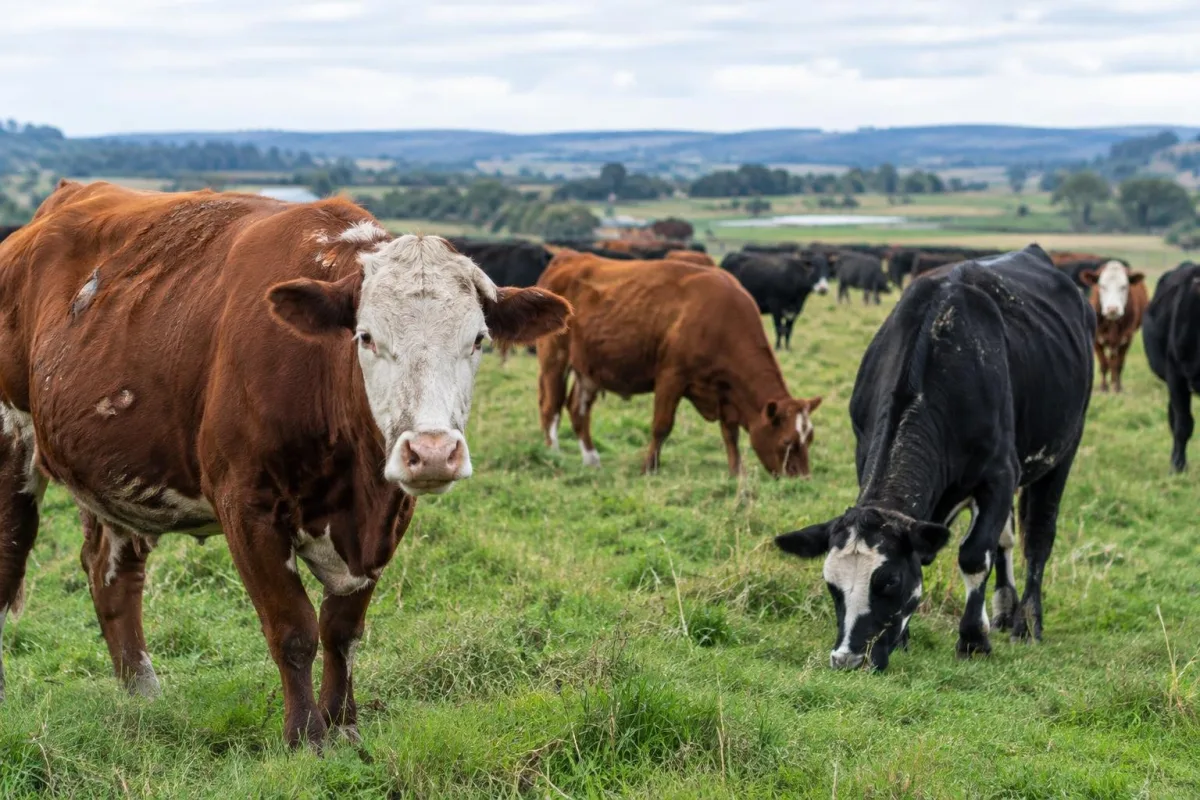
NEW DELHI, Nov 4: The Shamonda virus (SHAV) has been detected in cattle on two dairy farms in Powys, Wales, and Shropshire, England, marking its first appearance in UK livestock.
This finding raises serious public health concerns, especially as the virus has previously been linked to a death in France. The UK Health Security Agency (UKHSA) confirmed the cases and noted that SHAV, which primarily affects cattle, was previously associated with goats, alpacas, and horses.
SHAV spreads mainly through biting midges of the Culicoides genus. Recent cases have also been reported in 14 European countries, including the Republic of Ireland and Jersey. The only known human case involved an immunocompromised individual from Lyon, France, leading officials to state that such instances are rare.
While the UKHSA considers the current risk to public health very low, they are actively monitoring the situation. The agency stated, ‘There is currently no evidence to suggest widespread transmission among humans.’
The virus can cause symptoms in cattle, such as fever, lethargy, and decreased milk production. Farmers are advised to observe their herds closely for any signs of illness and report concerns to relevant authorities. The Food Standards Agency has also warned of potential food safety implications.
Rob Hall, clinical director at LLM Farm Vets, described the challenges farmers may face as symptoms of SHAV can resemble those of other diseases. He stated that infections might only become apparent during calving season, raising concerns about possible birth defects and reproductive issues.
Neale Sadler, a dairy farmer in Edstaston near Wem, expressed uncertainty about the duration of the virus’s presence in the UK. He noted, ‘It’s worrying, but I think from a positive point of view, because it’s transmitted by midges and we’re now into November, we’ve gone past the midge season.’
The animal health agency has indicated that no additional disease control measures are currently required. However, farmers are reminded to maintain good livestock management practices to mitigate risks.
As the situation continues to evolve, further research will be necessary to understand the full implications of the virus in livestock and its potential effects on food safety and public health.
Sources

Bhupendra Singh Chundawat is a seasoned technology journalist with over 22 years of experience in the media industry. He specializes in covering the global technology landscape, with a deep focus on manufacturing trends and the geopolitical impact on tech companies. Currently serving as the Editor at Udaipur Kiran, his insights are shaped by decades of hands-on reporting and editorial leadership in the fast-evolving world of technology.