iPhone SE 4 to Be Equipped With Same OLED Panel as iPhone 13
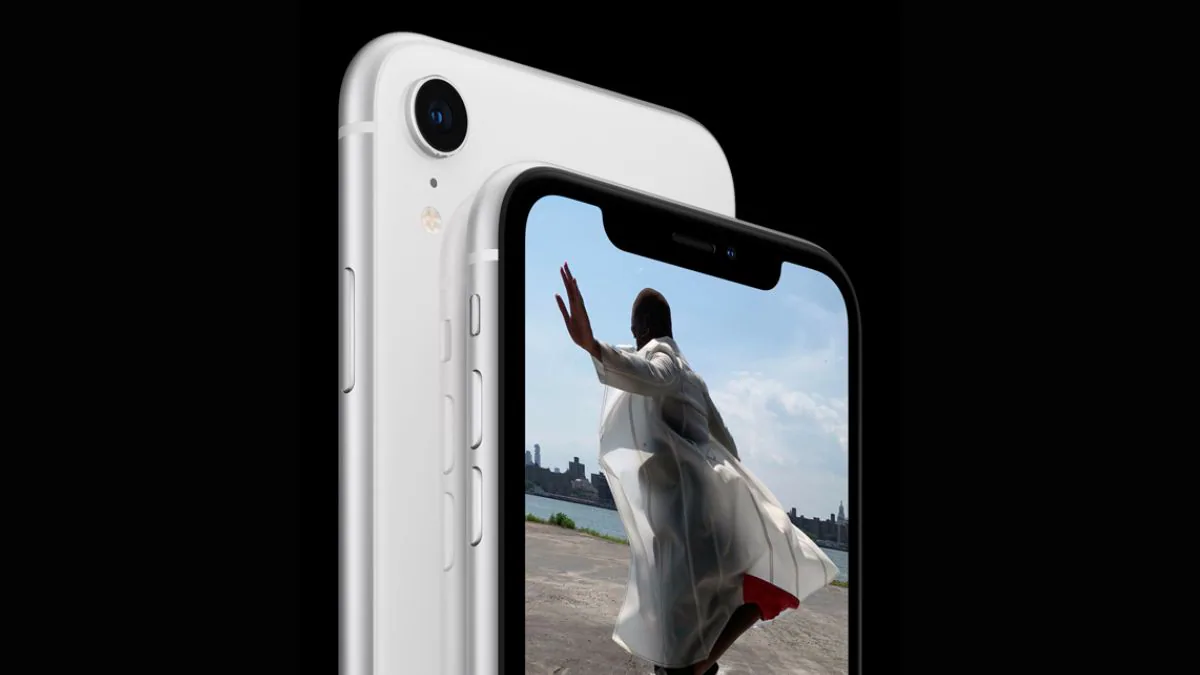

Rumors of an iPhone SE 4 have been circulating for months, although Apple hasn’t announced any plans to launch a new budget smartphone. This device is expected to be the successor to the iPhone SE (2022) and could receive significant updates in terms of design, processor and battery life. According to recent reports, Apple could use the same OLED screen as the iPhone 13 in some stripped-down versions of the device, which could also reduce the Cupertino-based company’s manufacturing costs.
Details about the iPhone SE 4 display have been revealed
According to a report in The Elec (in Korean), Chinese supplier BOE Technology is the first company to produce the alleged iPhone SE 4 displays. BOE Technology reportedly won the contract with Samsung due to the lower cost of its panels, taking $60 to $70 of the entire display segment supplied by Apple.
Meanwhile, LG Display could become Apple’s second supplier for the device, and the company will reportedly also supply the remaining panels. The publication states that Apple will likely reuse the 6.1-inch Super XDR display originally designed for the iPhone 13. It is believed that this move will help Apple reduce the cost of producing smartphones and streamline the manufacturing process.
The report also shows that BOE has suffered from production-related issues in the past when releasing OLED displays with punch-hole cutouts used in newer models like the iPhone 15. There are also reportedly problems with the production of the iPhone 16. The display will be available later this year.
iPhone SE 4 Specifications (Expected)
Previous leaks suggest that the iPhone SE 4 may launch with a major design change, as Apple ditches its iconic smartphone design for a home button and replaces it with newer smartphones. The phone is expected to feature a 6.06-inch OLED display with a 60Hz refresh rate.
Visually, the smartphone is likely to have a single 48-megapixel rear camera. It’s said to be Apple’s next-generation A18 chipset, paired with 6GB or 8GB LPDDR5 RAM options. The phone may support Face ID instead of Touch ID and have a USB Type-C port in compliance with the EU Digital Markets Act (DMA).

Bhupendra Singh Chundawat is a seasoned technology journalist with over 22 years of experience in the media industry. He specializes in covering the global technology landscape, with a deep focus on manufacturing trends and the geopolitical impact on tech companies. Currently serving as the Editor at Udaipur Kiran, his insights are shaped by decades of hands-on reporting and editorial leadership in the fast-evolving world of technology.