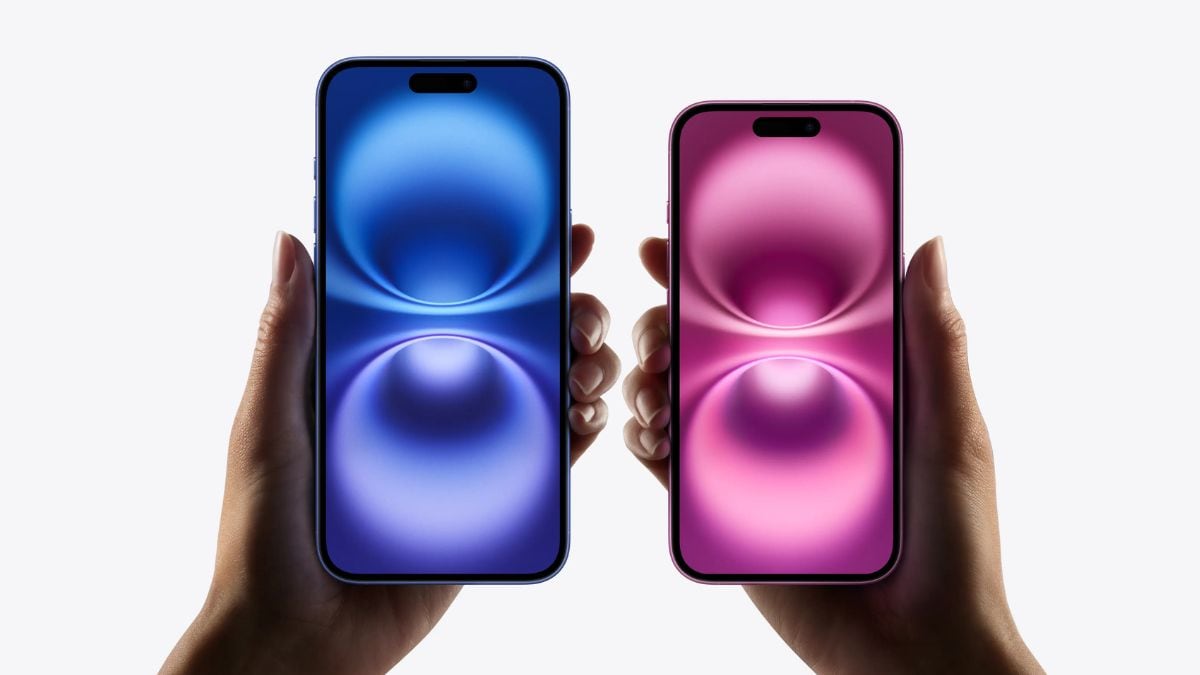

The iPhone 16 series made a splash in September with four models, including the iPhone 16 Plus, a larger 6.7-inch variant offering all the essentials of the base model in a more expansive form. Now, nearly two months after its debut, this device has been subjected to rigorous durability testing by YouTuber Zack Nelson, known for his popular JerryRigEverything channel. The results are impressive, positioning the iPhone 16 Plus as a surprisingly sturdy choice in today’s smartphone market.
How the iPhone 16 Plus Stood Up to Scratches and Drops
During Nelson’s scratch test, the Ceramic Shield glass covering on the iPhone 16 Plus showed resilience, enduring seven years worth of simulated damage before showing signs of wear. Faint scratches began to appear only at level six on the Mohs hardness scale, while distinct grooves emerged at level seven—an impressive feat compared to devices like the Samsung Galaxy S24 Ultra, which sustained noticeable scratches at level six.
Ceramic Shield: A Competitive Edge
Apple’s Ceramic Shield coating not only keeps the display clear of damage at lower levels but also retains a smooth finish, which Nelson points out still “feels very smooth” after multiple scratch tests. This enhancement proves especially effective in preserving the front glass and protecting the vibrant Super Retina XDR display from everyday damage.
However, while the Ceramic Shield holds up well, the aluminum frame—made from 85% recycled materials—remains vulnerable to scratches. Even slight blade scratches left marks on the side panels and around the power and volume buttons, suggesting that the frame may not have the same level of durability as the front display.
Heat Resistance and Structural Integrity
Further tests revealed that the Super Retina XDR display resists heat well, showing no permanent burn marks after being exposed to a flame. This highlights Apple’s engineering prowess, allowing the display to maintain functionality under extreme conditions. The bend test was equally successful, with the iPhone 16 Plus retaining its shape and strength without any noticeable damage, cracks, or bending—an essential quality in terms of durability.
Easier Repairs with Electrically De-Bonding Adhesive
One innovative feature in the iPhone 16 Plus that may be overlooked by consumers is the new electrically de-bonding adhesive used on the back of the device. Nelson highlights this as a noteworthy improvement for repairs, as passing an electric current through the adhesive weakens it, allowing for easier disassembly. This method is simpler than the traditional adhesive glue pull tabs still found in the iPhone 16 Pro models.
Takeaway: A Strong Contender for Durability
While the iPhone 16 Plus is not immune to scratches on its aluminum frame, Apple’s Ceramic Shield and structural design make it an incredibly resilient option. This device has set a new benchmark for mid-range smartphones in durability, outperforming some flagship competitors in key areas.
For anyone considering a smartphone that combines robust design with ease of repair, the iPhone 16 Plus is proving to be a strong contender in the market.

Bhupendra Singh Chundawat is a seasoned technology journalist with over 22 years of experience in the media industry. He specializes in covering the global technology landscape, with a deep focus on manufacturing trends and the geopolitical impact on tech companies. Currently serving as the Editor at Udaipur Kiran, his insights are shaped by decades of hands-on reporting and editorial leadership in the fast-evolving world of technology.