

Over the next few weeks, Google and Samsung will be hosting their own big, hyped events, unveiling new products and services that will capture attention just in time for the all-important holiday season. Samsung will host an “Unpacked” event in Paris on July 10, while Google will host a “Made by Google” event on August 13. Both could be the biggest events of the year, and what they have in common is that artificial intelligence could be at the heart of new smartphones and future hardware.
A new era of #GalaxyAI unfolds. 🩵 this post and get ready for updates on our #SamsungUnpacked livestream, featuring some surprise guests! pic.twitter.com/t3iIZEa6dm
— Samsung Mobile (@SamsungMobile) June 25, 2024
Both Samsung and Google are known for holding fall events late in the year, a tradition shared by many tech companies that like to hype up what’s to come during the holiday shopping season. Samsung has long held its Unpacked event in July, hoping to get a head start on Apple, which typically releases its next-generation iPhones in September. Meanwhile, Google traditionally launches new Pixel devices in October, usually in New York. But this time, Google not only announced its new product in August, much earlier than expected, but also moved its operations to its headquarters in Mountain View.
Get ready for magic at #MadeByGoogle
Learn more and sign up for updates: https://t.co/ZnBcg6S6vK pic.twitter.com/C6Of1L9g4a
— Made by Google (@madebygoogle) June 25, 2024
Every year, Google and Samsung unveil new flagship phones at their fall events, and this year is no exception. The Galaxy Z6 and Pixel 9 series foldable smartphones will continue to feature premium hardware and premium pricing to maintain their dominance in the high-end smartphone market. This year, those changes are likely to be felt more internally than externally, as both companies focus on reinventing Android smartphones and improving their AI.
A sense of how AI is transforming smartphones can already be seen in the Galaxy S24 (review) and Pixel 8 (review) series, each equipped with software that enables generative AI, allowing users to summarize web pages, reorganize text messages write and change messages. Handwriting is also possible and telephone conversations can be translated in real time. Since the Galaxy S24 and Pixel 8 launched, both Samsung and Google have rolled out Gen AI features via software updates to more smartphones, including many previous-generation flagships. This shows how deeply these companies are putting artificial intelligence at the heart of mobile devices.
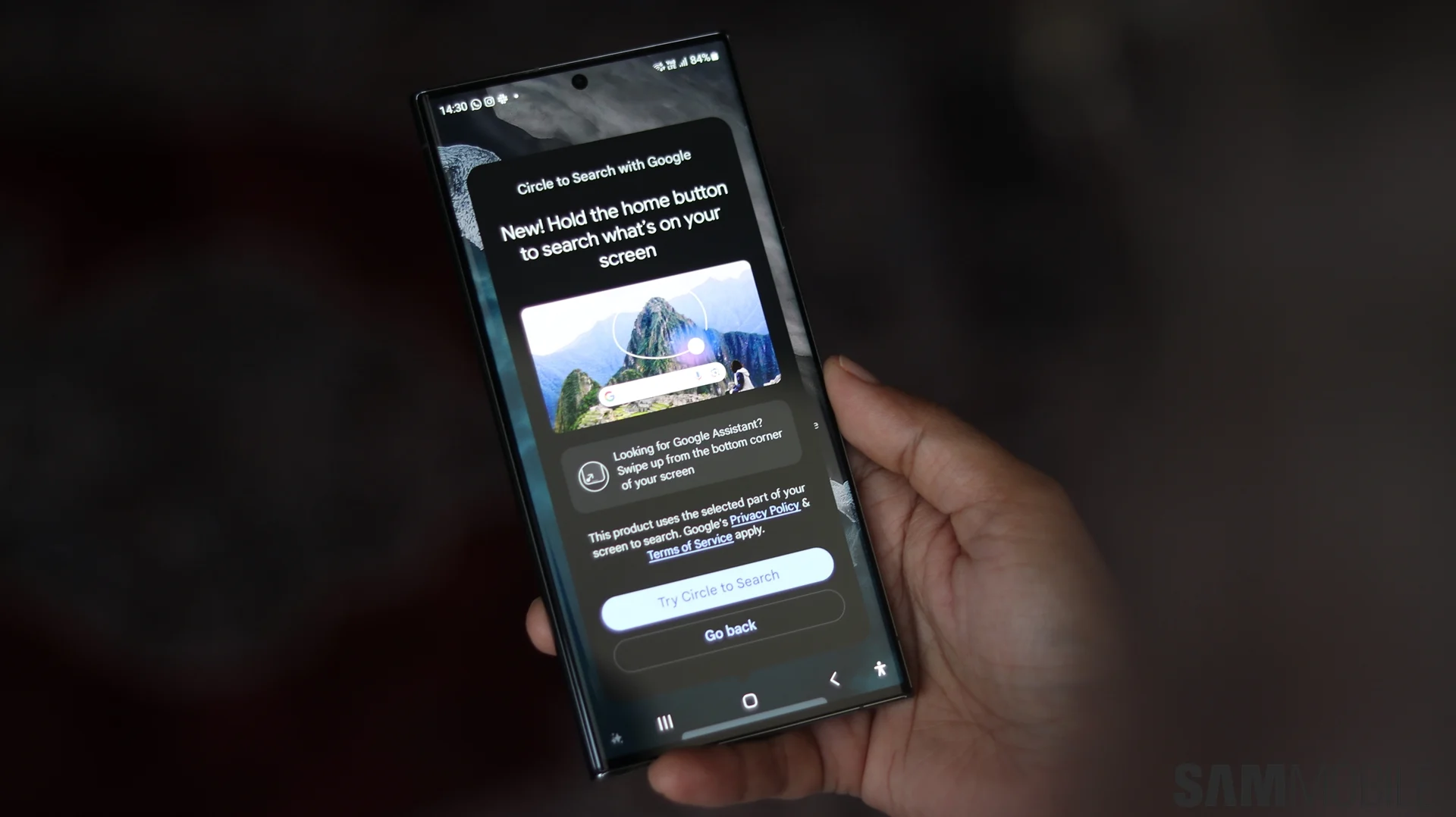

This is where it all starts, as AI continues to expand and become available in smartphones this year and beyond. At Google’s annual conference last month in Mountain View, California, the tech giant unveiled its strategy to bring artificial intelligence technology to more than a billion people through existing programs and new initiatives. For Google, the Android operating system remains the largest medium for experiencing AI capabilities (in this case, smartphones).

Deependra Singh Chundawat is a Senior Sub-Editor at Udaipur Kiran, specializing in a wide range of technology topics including mobile phones, applications, gaming, PCs, and wearables. Along with covering the latest tech news, he also creates engaging web stories. Passionate about emerging technologies, he stays up to date with the newest trends and enjoys reading and writing about the latest mobile launches and digital innovations.