

Foldable iPhone Set to Launch in 2026 with Advanced Technology and a Premium Price Tag: Report
Apple enthusiasts and tech lovers have reason to celebrate, as Apple is reportedly gearing up to launch its highly anticipated foldable iPhone in 2026. According to trusted sources, including Bloomberg’s prominent tech analyst Mark Gurman, Apple is in the final stages of securing key supplier agreements necessary for the groundbreaking foldable device. With a projected release towards the end of 2026, Apple’s entry into the foldable market is set to be a game-changer, promising cutting-edge technology, unparalleled innovation, and an inevitably premium price point.
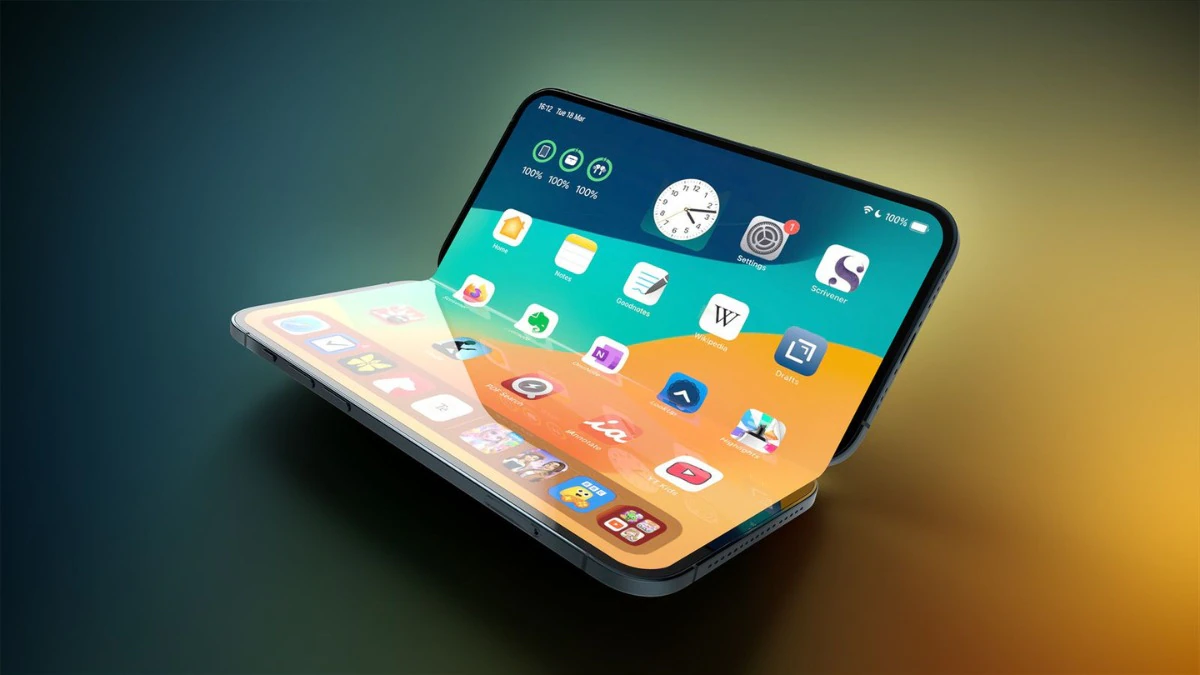

Apple’s Foldable iPhone: Expected Design and Advanced Features
Apple’s forthcoming foldable smartphone is expected to adopt a book-style design, comparable to the popular Samsung Galaxy Z Fold series. However, Apple’s device will stand out by incorporating next-generation technologies drawn directly from the upcoming iPhone 17 Air, an ultra-thin flagship slated for release ahead of the foldable phone.
According to Gurman, the iPhone 17 Air will set new benchmarks in smartphone design, boasting an ultra-slim profile of just 5.5mm thickness. This revolutionary thinness demonstrates Apple’s remarkable engineering capabilities in integrating powerful, efficient components into exceptionally compact designs.
These same innovations are expected to form the backbone of Apple’s foldable iPhone, making it not just another foldable phone, but a unique device embodying Apple’s renowned commitment to elegance, functionality, and exceptional user experience.
Ultra-Thin Components and Powerful Performance
The foldable iPhone is anticipated to share several advanced features with the iPhone 17 Air, including specially-engineered ultra-thin speakers and camera modules. These components will not only maintain the phone’s slim and elegant profile but also deliver impressive sound quality and imaging capabilities that rival traditional high-end devices.
Battery performance will be another highlight of this foldable model. Despite its innovative and compact design, Apple will prioritize maintaining robust battery life, a factor critically important for foldable devices. Integrating compact yet powerful batteries with advanced power management technologies will be key to Apple’s strategy.
Display Specifications: Combining Compactness with Functionality
Highly respected Apple analyst Ming-Chi Kuo previously suggested that the foldable iPhone would feature a 5.5-inch outer display coupled with a significantly larger 7.8-inch internal screen, comparable to the dimensions of the popular iPad mini. This approach offers users the convenience of portability alongside the immersive experience of a tablet when unfolded.
With these specifications, Apple aims to create a versatile mobile device, seamlessly transitioning between a traditional smartphone experience and a compact tablet mode, perfectly suited for multitasking, gaming, content creation, and media consumption.
Pricing and Availability: Premium Segment with Limited Initial Supply
Given Apple’s emphasis on groundbreaking design, superior quality, and technological advancements, the foldable iPhone is expected to launch with a premium price tag ranging between $2,000 and $2,500. Apple is likely to introduce this device initially as a niche, high-end product with limited availability during its launch phase.
Production volumes at the beginning will likely be restricted due to the complex manufacturing processes and unique component requirements involved. However, as suppliers and manufacturing processes scale up over time, Apple is expected to increase the foldable iPhone’s availability gradually.
Custom 5G Modem for Enhanced Connectivity and Efficiency
Apple’s foldable iPhone will reportedly feature a custom-designed 5G modem. Leveraging their in-house modem technology allows Apple greater control over cost, performance, and power efficiency, essential factors for such a premium device.
Apple’s recent success with the C1 modem integrated into the iPhone 16e, known for its outstanding battery efficiency and reliable connectivity, suggests that the upcoming C2 modem may push these standards even further. Improved modem efficiency means prolonged battery life, better thermal performance, and overall enhanced user experiences, vital to Apple’s future product roadmap.
Foldable iPhone as Part of iPhone 18 Lineup?
Industry sources also suggest that, if the product’s rollout progresses as planned, Apple’s foldable iPhone may become a key part of the iPhone 18 lineup, further indicating Apple’s strategic vision for future smartphones. The integration of foldable technology into Apple’s main product lineup would represent a significant milestone, showcasing Apple’s commitment to innovation and adaptability in the rapidly evolving smartphone market.
Implications for the Smartphone Industry
The introduction of Apple’s foldable iPhone will inevitably have significant impacts across the smartphone market, potentially accelerating broader industry adoption of foldable designs. Competitors may find themselves compelled to advance their own technologies in response, pushing overall innovation further and faster.
Moreover, Apple’s entry could set a new quality standard for foldable devices, significantly raising consumer expectations in terms of durability, usability, and overall user experience. As a pioneer in consumer technology, Apple’s move is certain to shape the foldable smartphone landscape in profound and lasting ways.

Bhupendra Singh Chundawat is a seasoned technology journalist with over 22 years of experience in the media industry. He specializes in covering the global technology landscape, with a deep focus on manufacturing trends and the geopolitical impact on tech companies. Currently serving as the Editor at Udaipur Kiran, his insights are shaped by decades of hands-on reporting and editorial leadership in the fast-evolving world of technology.