EU Forces Apple to Open iOS Notifications and Allow AirDrop Alternatives Under Digital Markets Act
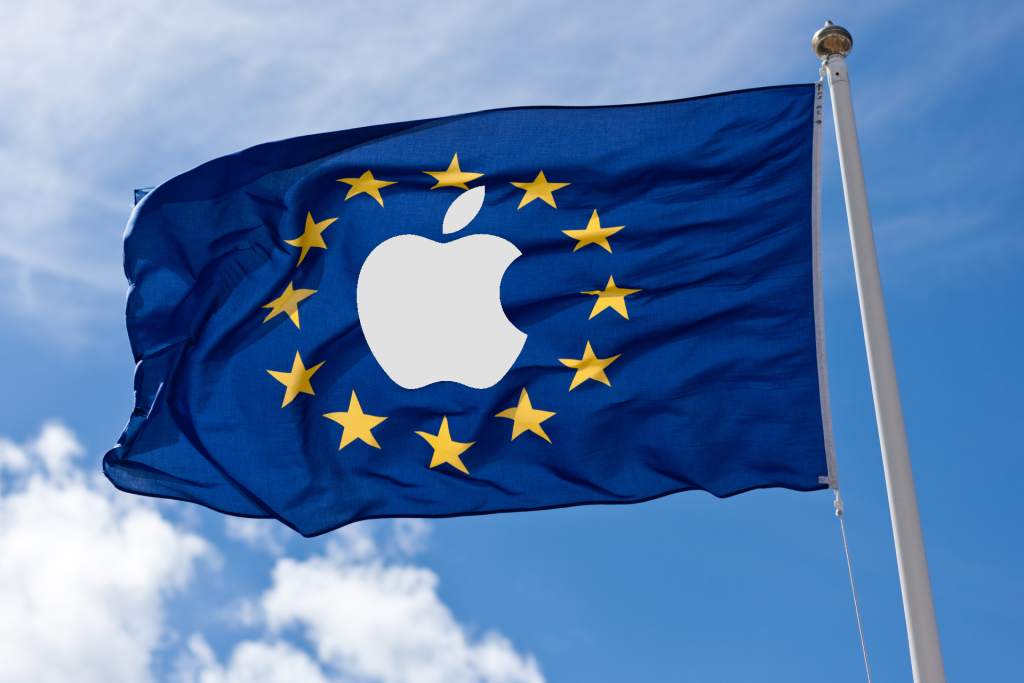

Apple Faces Unprecedented EU Regulations That Demand Greater Interoperability
In a move that could reshape the digital ecosystem, the European Union (EU) has ordered Apple Inc. to open up access to iOS notifications, allow AirDrop alternatives, and grant system-level privileges to third-party developers. This groundbreaking mandate comes under the Digital Markets Act (DMA), a regulatory framework designed to curb the monopolistic power of tech giants and create a more competitive digital marketplace.
With this decision, Apple is being forced to share some of its most tightly controlled system functionalities—a shift that could have far-reaching implications for the tech industry, app developers, and millions of users. For the first time, iOS will no longer be an entirely closed ecosystem, a move that challenges Apple’s long-standing business model of exclusivity and control.
Apple’s Walled Garden Under Attack
For years, Apple has fiercely protected its proprietary technologies, ensuring that services like iMessage, AirDrop, AirPlay, and Apple’s notification system remained exclusive to its devices. This walled garden approach has helped Apple create a seamless user experience but has also drawn criticism for stifling competition and innovation.
The European Union’s ruling now forces Cupertino to allow third-party apps and devices to integrate directly with iOS at the same level as Apple’s own services. This means:
- Third-party apps will have unrestricted access to iOS notifications.
- Competitors will be able to create alternatives to AirDrop for seamless file sharing.
- Wireless audio device makers, such as Bose and Sony, can integrate features like auto-pairing and audio switching.
- Developers will gain access to Apple’s Wi-Fi and NFC frameworks, unlocking new possibilities for connectivity.
This ruling marks one of the biggest regulatory challenges Apple has faced in recent years, and it could set a precedent for other regions, including the United States and Asia.
Breaking Open iOS Notifications: A Game-Changer for App Developers
One of the most significant changes under the DMA ruling is Apple’s requirement to open its iOS notification system to third-party developers.
Currently, only Apple’s own services—such as iMessage, Apple Mail, and Apple Watch alerts—enjoy full access to system-level notifications. Third-party apps, even major players like WhatsApp and Gmail, have limited capabilities when it comes to background execution and real-time push notifications.
With the EU’s new mandate, Apple must:
- Allow third-party apps to run background processes like Apple’s own applications.
- Grant external developers the ability to send real-time notifications with the same priority level as native Apple services.
- Remove artificial delays and prioritization mechanisms that favor Apple’s apps over competitors.
This shift is expected to boost innovation in messaging, email, and social media applications, leveling the playing field for Apple’s competitors.
AirDrop Alternatives: The End of Apple’s File-Sharing Monopoly
For years, AirDrop has been one of the most useful but restrictive features in Apple’s ecosystem. While iPhone, iPad, and Mac users have enjoyed seamless file sharing, Android and Windows users have been left out of the equation.
The EU’s decision mandates that Apple must allow third-party apps to integrate with AirDrop or offer competing services with equal system privileges. This means:
- Users will soon be able to share files seamlessly between iPhones and non-Apple devices.
- Third-party apps will gain direct access to high-bandwidth peer-to-peer Wi-Fi sharing.
- Cross-platform file-sharing solutions will finally be able to compete on equal footing.
This ruling could pave the way for universal file-sharing protocols that work across all platforms, removing the current Apple-imposed barriers.
Opening Up Wireless Audio: A New Era for Headphone Manufacturers
The DMA also demands that Apple open up key wireless audio features to third-party manufacturers. This move will redefine how non-Apple headphones interact with iPhones.
Currently, only Apple’s AirPods benefit from exclusive system privileges, such as:
- Seamless auto-pairing with iPhones, iPads, and Macs.
- Automatic audio switching between Apple devices.
- Spatial Audio integration and optimized battery performance.
Under the new EU regulations, companies like Sony, Bose, Samsung, and Sennheiser will now have access to these same system functionalities. This means:
- Third-party earbuds will be able to auto-pair with iPhones as seamlessly as AirPods.
- Non-Apple headphones will support Apple’s automatic audio switching between devices.
- Audio manufacturers can now integrate deep-level system features previously reserved for AirPods.
This could revolutionize the wireless audio market, making premium features available beyond Apple’s own products.
Wi-Fi and NFC Access: Expanding Apple’s Connectivity Options
Another major ruling by the EU requires Apple to grant developers access to Wi-Fi network information and NFC capabilities. This change will impact everything from contactless payments to location-based services.
Currently, Apple restricts NFC capabilities to Apple Pay, preventing services like Google Pay and Samsung Pay from gaining deep system-level integration. Under the new regulations, Apple must:
- Allow third-party payment services to use NFC chips on iPhones.
- Open up Wi-Fi network data access for app developers.
- Enable high-bandwidth peer-to-peer Wi-Fi connectivity for external apps.
These changes will empower third-party developers to create more advanced financial, security, and smart home applications that previously required Apple’s approval.
Apple’s Response: “Regulations Slow Down Innovation”
Apple has responded with strong opposition to the EU’s demands, arguing that the DMA unfairly targets the company while letting others “leech off its innovations.”
In a public statement, Apple claimed that these regulations would hurt its ability to innovate and create security concerns. The company argued:
- Giving unrestricted notification access could lead to increased spam and security risks.
- Opening AirDrop alternatives might create vulnerabilities in Apple’s encrypted file-sharing system.
- Granting third parties deep system access could weaken iOS privacy protections.
Despite Apple’s resistance, the European Union has made it clear that compliance is not optional. Failure to adhere to the DMA regulations could result in hefty fines, restrictions on Apple’s operations in Europe, or even forced structural changes to its business model.
What Happens Next? The Timeline for Implementation
The EU has set a strict timeline for Apple to comply with these mandates.
- By the end of 2025: Apple must begin rolling out beta versions of iOS with these new features enabled.
- By 2026: All of the required changes must be fully implemented in iOS 19, ensuring that European users have access to the new features.
- Global impact: While these regulations only apply to the European market, they could influence other countries to introduce similar rules, forcing Apple to adopt these changes worldwide.
How This Will Impact Consumers and Developers
For consumers, these changes mean more choice, greater competition, and a better overall user experience. Users will soon:
- Have more control over their iOS notifications.
- Enjoy cross-platform file-sharing without Apple’s restrictions.
- Use a wider range of wireless headphones with Apple-level functionality.
- Take advantage of more NFC-based payment options beyond Apple Pay.
For developers, the DMA ruling opens up new business opportunities, allowing companies to create better apps and hardware that integrate deeply with Apple’s ecosystem—something previously only available to Apple’s own products.

Deependra Singh Chundawat is a Senior Sub-Editor at Udaipur Kiran, specializing in a wide range of technology topics including mobile phones, applications, gaming, PCs, and wearables. Along with covering the latest tech news, he also creates engaging web stories. Passionate about emerging technologies, he stays up to date with the newest trends and enjoys reading and writing about the latest mobile launches and digital innovations.