

Ebola Cases Exceed 10,000 in Democratic Republic of Congo
The Democratic Republic of the Congo has confirmed over 10,000 Ebola cases since May, making it the deadliest outbreak in the country's history.

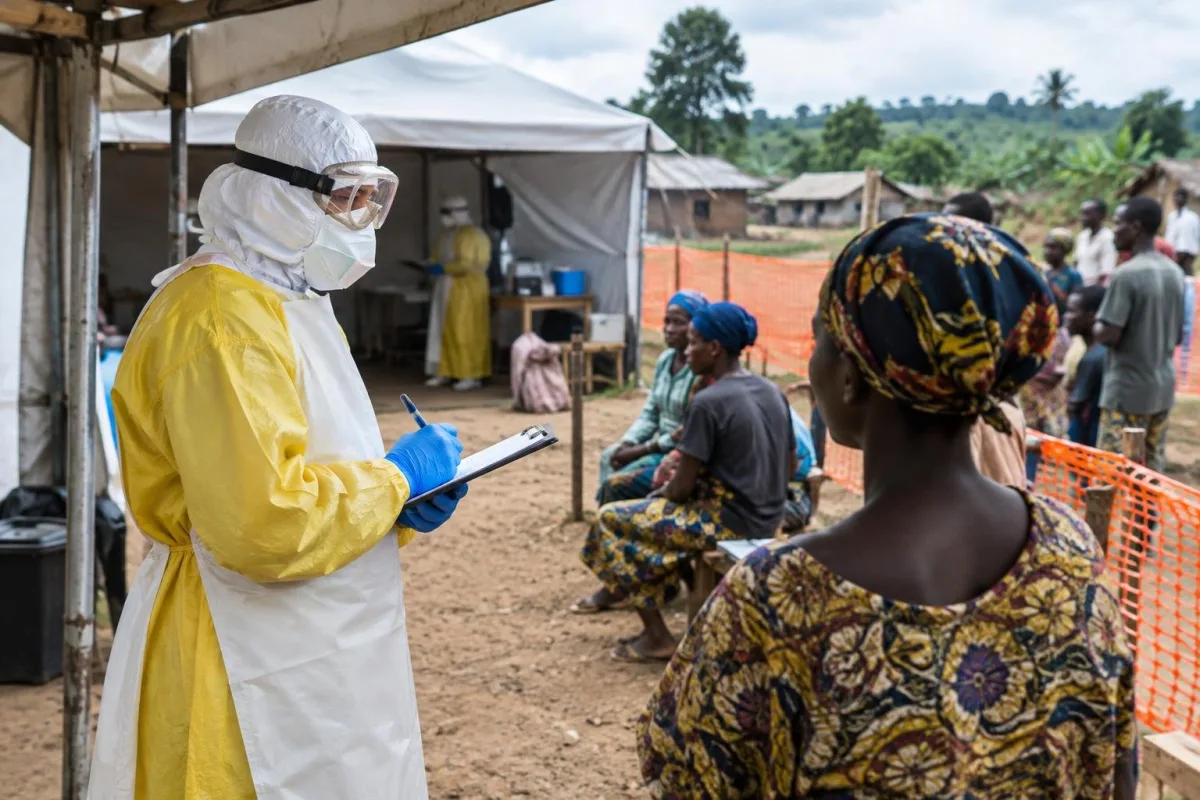
KINSHASA, Oct 28: Confirmed Ebola cases in the Democratic Republic of the Congo have surpassed 10,000, according to health authorities. As of October 25, the total stands at 10,060 cases and 4,887 deaths, marking the deadliest outbreak of the virus in the country’s history.
This outbreak, declared on May 15, is caused by the rare Bundibugyo virus. Approximately 48.6% of those infected have died. It has affected 66 health zones across eight provinces, escalating from just three zones at the outbreak’s start. The rapid acceleration of this outbreak has made it the fastest-growing of its kind.
The situation has prompted significant concern among health officials. Nearly 80% of new cases are emerging from outside monitored areas, indicating ongoing transmission that authorities cannot track. According to the Africa CDC, at least 95% of cases need to involve known contacts for the outbreak to be deemed under control.
Challenges to containment are compounded by armed conflicts, poor infrastructure, and public distrust towards health workers. There have been reports of violent incidents against responders, including the killing of a nurse in Tshopo province while attending to a case. As a result, there is a growing fear among health workers, and strikes over unpaid wages have become common.
“Everyone working to protect communities from this deadly disease must be able to work in dignity and safety,” said Tedros Adhanom Ghebreyesus, WHO Director-General.
The outbreak has adversely impacted essential health services, disrupting routine vaccinations and leading to increased maternal mortality. Some health workers have reported that they struggle with logistics and community acceptance, as many families are hesitant to accept treatment or cooperate with safety measures.
In addition to the DRC, cases have emerged in Kenya, Nigeria, Uganda, and France, with several countries reinforcing their health protocols to prevent further spread. In Uganda, returnees from the DRC are now required to quarantine at their own expense to avoid cross-border transmission.
As the outbreak continues, the World Health Organization is working with local health authorities to provide essential supplies and treatment, but the situation remains critical. The onset of new cases highlights the urgent need for effective surveillance and public education efforts to stem the tide of infection.

My name is Kuldeep Singh Chundawat. I am an experienced content writer with several years of expertise in the field. Currently, I contribute to Daily Kiran, creating engaging and informative content across a variety of categories including technology, health, travel, education, and automobiles. My goal is to deliver accurate, insightful, and captivating information through my words to help readers stay informed and empowered.