
2,100 Naxalites Surrender in Chhattisgarh Since BJP Came to Power: Amit Shah
Jagdalpur, October 17 (Udaipur Kiran): Union Home Minister Amit Shah on Friday said that since the formation of the BJP government in Chhattisgarh, as many as 2,100 Naxalites have surrendered, while nearly 2,000 have been arrested and around 500 neutralised in anti-Naxal operations.
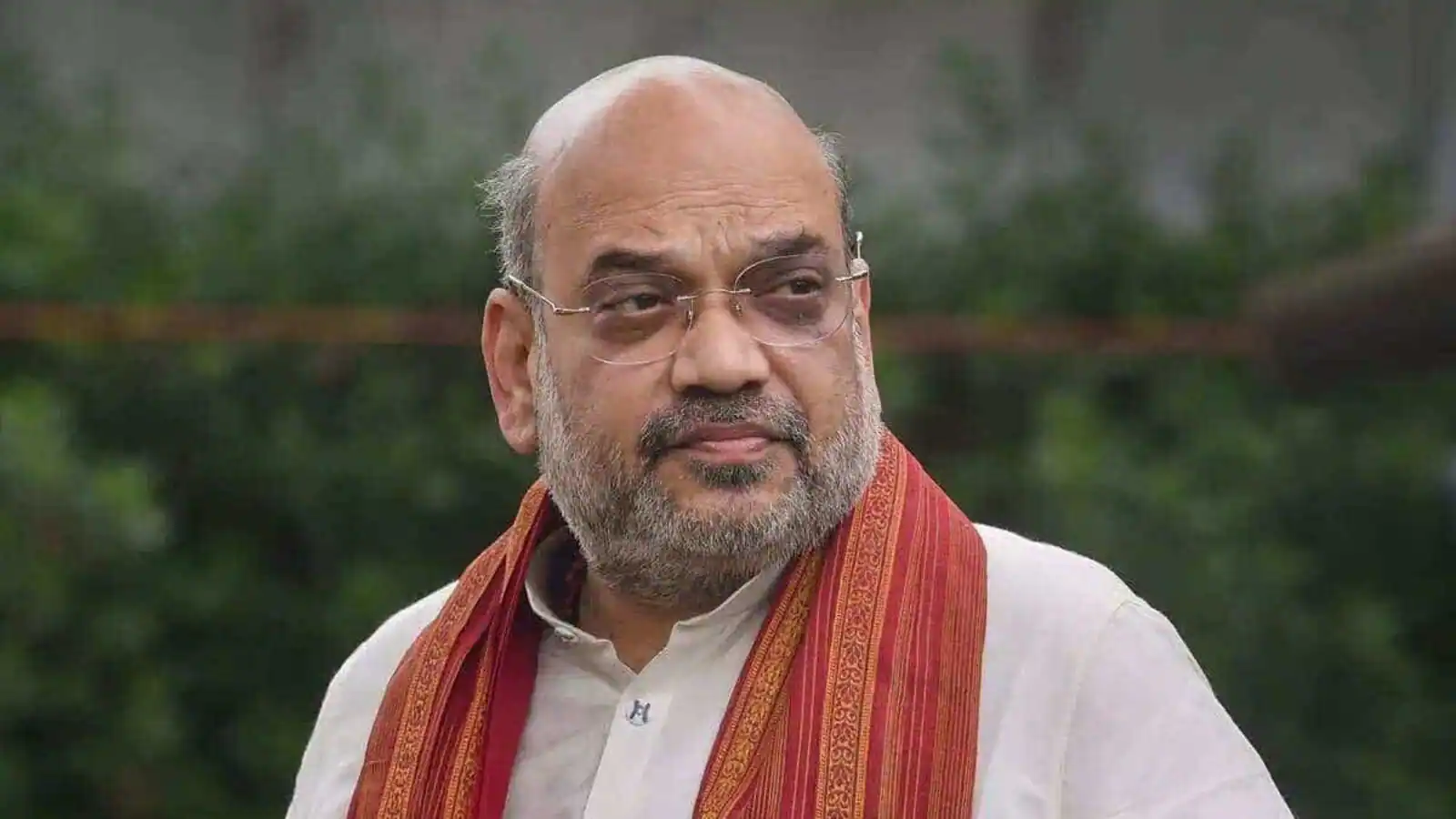

In a post on social media platform X, Shah said that since January 2024, when the BJP government assumed office in Chhattisgarh, 2,100 Naxalites have laid down arms, 1,785 have been arrested, and 477 have been neutralised. He said this reflects the government’s strong determination to completely eliminate Naxalism by March 31, 2026.
The Home Minister added that on Thursday, 170 Naxalites surrendered in Chhattisgarh, following 27 surrenders a day earlier. In addition, 61 Naxalites in Maharashtra have also given up arms and joined the mainstream. “In the past two days alone, 258 Left Wing extremists have abandoned violence, marking a major success in India’s fight against Naxalism,” Shah noted.
Commending those who chose to return to the mainstream, Shah wrote, “I appreciate the decision of all who have reposed their faith in the Constitution of India by renouncing violence. Under the leadership of Prime Minister Narendra Modi, the government’s consistent efforts have brought Naxalism to its last breath.”
He reiterated that the government’s policy against Naxalites is clear — those who surrender will be welcomed, but those who continue armed rebellion will face strict action from security forces. Shah also appealed to all remaining Naxalites to lay down their weapons and return to the mainstream.
According to the Ministry of Home Affairs, the number of Naxal-affected districts in the country has reduced from 18 to 11, and the number of severely affected districts has come down from six to three. Currently, only Bijapur, Sukma, and Narayanpur districts in Chhattisgarh remain heavily affected by Naxal activities.

Bhupendra Singh Chundawat is a seasoned technology journalist with over 22 years of experience in the media industry. He specializes in covering the global technology landscape, with a deep focus on manufacturing trends and the geopolitical impact on tech companies. Currently serving as the Editor at Udaipur Kiran, his insights are shaped by decades of hands-on reporting and editorial leadership in the fast-evolving world of technology.