Tensions Rise Along Pakistan-Afghanistan Border

Kabul, May 1: Tensions between Pakistan and Afghanistan are escalating as the ceasefire continues to remain unstable, primarily due to mutual accusations between the two nations.
According to reports, analysts have warned of the risk of prolonged instability in the region due to the lack of a reliable mechanism to address incidents and terrorist activities occurring on both sides of the Durand Line. This instability is expected to heavily impact ordinary citizens.
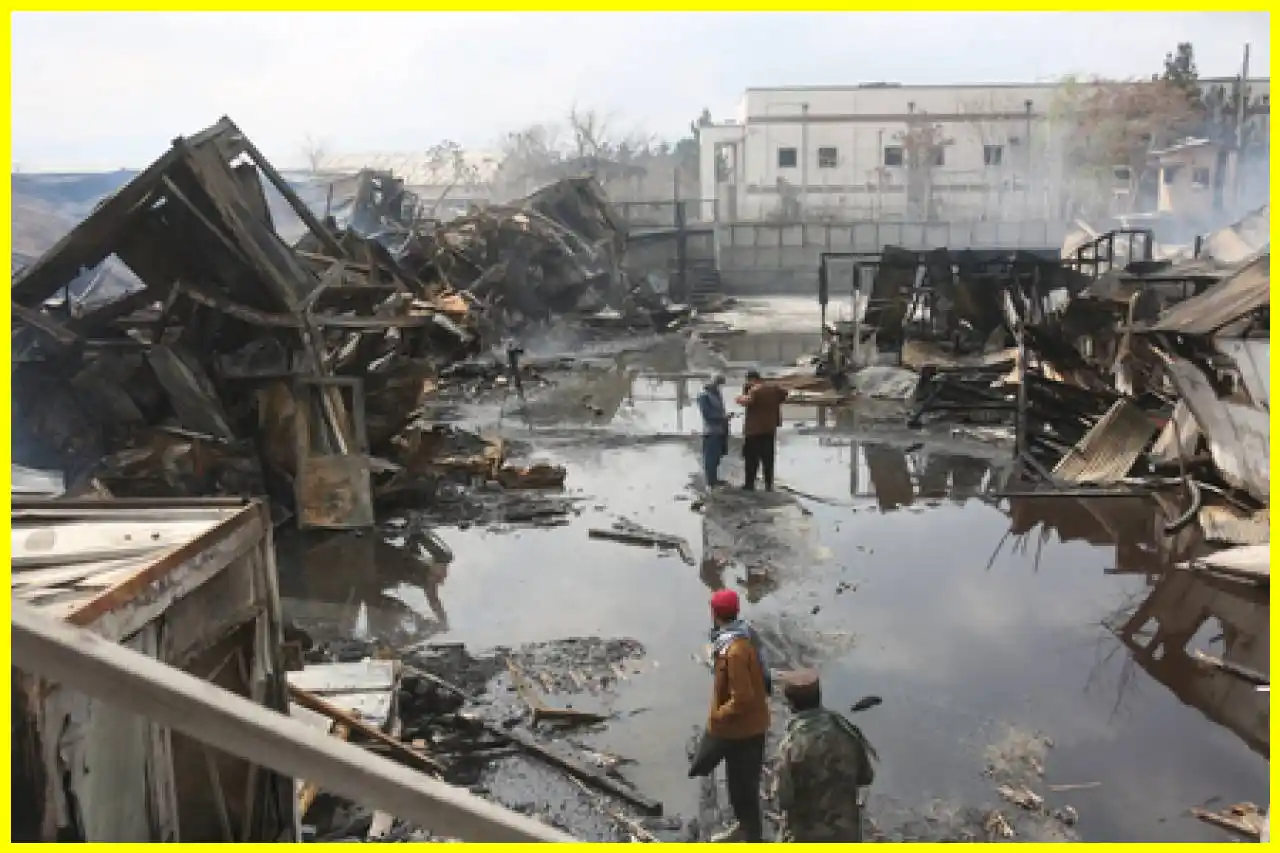
Freelance researcher and journalist SS Ahmed, writing for the Afghan Diaspora Network, noted that the Pakistani military’s attacks in Afghanistan at the end of April had immediate repercussions on civilians. These assaults targeted homes, public facilities, and parts of Kunar University, marking one of the most severe escalations since the ceasefire in March.
Citing Afghan officials, Ahmed reported that the attacks hit residential areas, a fuel station, a rehabilitation center, and a student hostel within the university campus. Four civilians lost their lives, and over 70 others were injured, including women, children, and students.
The Taliban condemned the attack, labeling it an “unforgivable war crime” and accused Pakistan of deliberately targeting civilian locations. In response, Pakistan denied the allegations, asserting that its forces did not attack the university but were responding to threats from terrorists near the Durand Line.
The tensions flared following a shooting incident near Spin Boldak in Afghanistan’s Kandahar province, which resulted in the death of a child. Both sides have blamed each other for this incident. Given the timing and scale of Pakistan’s retaliatory actions, concerns have arisen that the ceasefire brokered in March with the mediation of China, Turkey, Qatar, the United Arab Emirates, and Saudi Arabia is now in serious jeopardy.
Highlighting the severe impact on the humanitarian situation across Afghanistan, Ahmed stated that over 100,000 people have been displaced in eastern Afghanistan since February. Schools, clinics, and water facilities have been damaged or shut down. Nineteen health-related facilities in Kunar and Nangarhar are now partially or completely non-operational, disrupting the education of over 13,000 students due to attacks on educational institutions or their evacuation.
He emphasized that regional parties that mediated the March ceasefire are closely monitoring the situation. Notably, China has invested its diplomatic capital in stabilizing security along the Durand Line. Analysts have warned that the continuation of hostilities could undermine regional connectivity projects and complicate counter-terrorism cooperation.
Ahmed stressed that these attacks further isolate Afghanistan and force ordinary citizens to confront another cycle of violence, a conflict that has persisted through numerous governments, alliances, and political eras.

My name is Ganpat Singh Choughan. I am an experienced content writer with 8 years of expertise in the field. Currently, I contribute to Udaipur Kiran & Daily Kiran, creating engaging and informative content across a variety of categories including technology, health, travel, education, and automobiles. My goal is to deliver accurate, insightful, and captivating information through my words to help readers stay informed and empowered.