

Although Nokia has struggled to compete with larger players like Ericsson and Huawei in recent years, the Finnish company remains a major player in the network infrastructure business. Although Samsung also has its own Radio Access Network (RAN) division, it is relatively small, with a reported market share of around 6.1 percent last year.
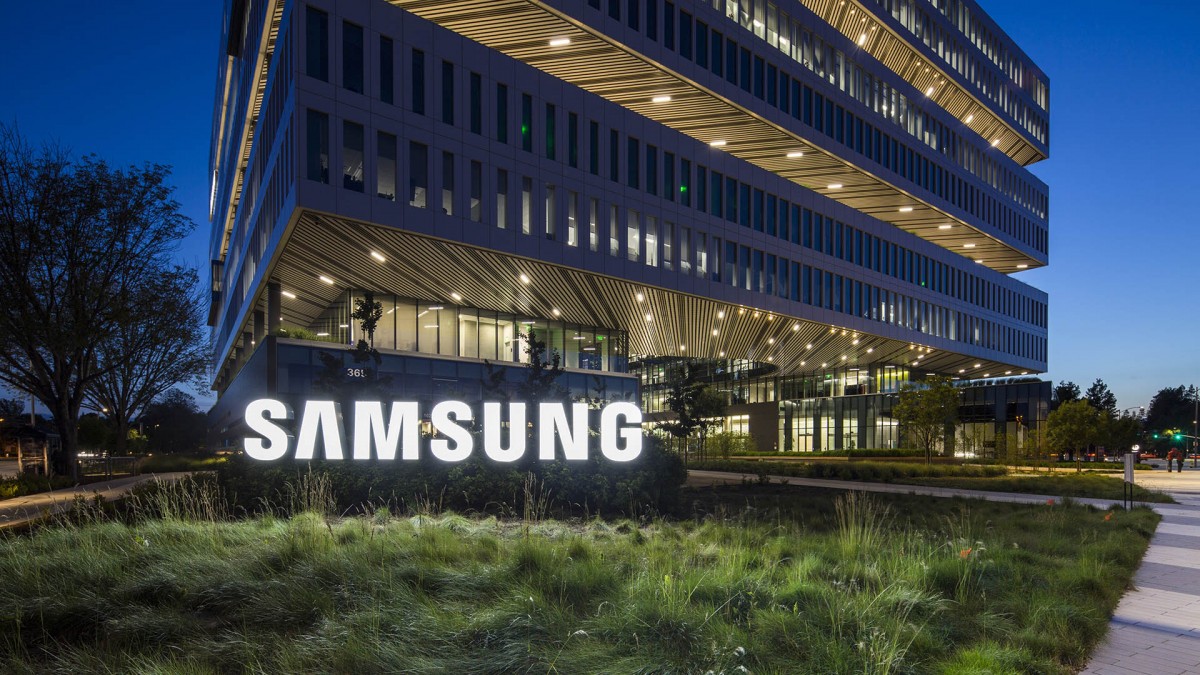

There are currently industry rumors that Samsung is looking to buy Nokia’s infrastructure business to strengthen its position in the RAN space. The sale cost $10 billion. If the deal goes through, Samsung will become the world’s second largest RAN supplier with a 25.6% market share.
Samsung already manufactures 4G and 5G base stations, chipsets, devices, radios and base units, so the Korean giant is no stranger to the infrastructure business. Telus Canada already offers services around the world, including O2 in Germany, Reliance Jio in India, KDTI and NTT Docomo in Japan, Dish and Verizon in the US, and Vodafone in the UK.

Bhupendra Singh Chundawat is a seasoned technology journalist with over 22 years of experience in the media industry. He specializes in covering the global technology landscape, with a deep focus on manufacturing trends and the geopolitical impact on tech companies. Currently serving as the Editor at Udaipur Kiran, his insights are shaped by decades of hands-on reporting and editorial leadership in the fast-evolving world of technology.