

Udaipur, March 11, 2026 (Udaipur Kiran) : Union Railway Minister Ashwini Vaishnaw has said that the number of rail accidents in India has reduced significantly due to various safety measures taken by the Ministry of Railways in recent years.
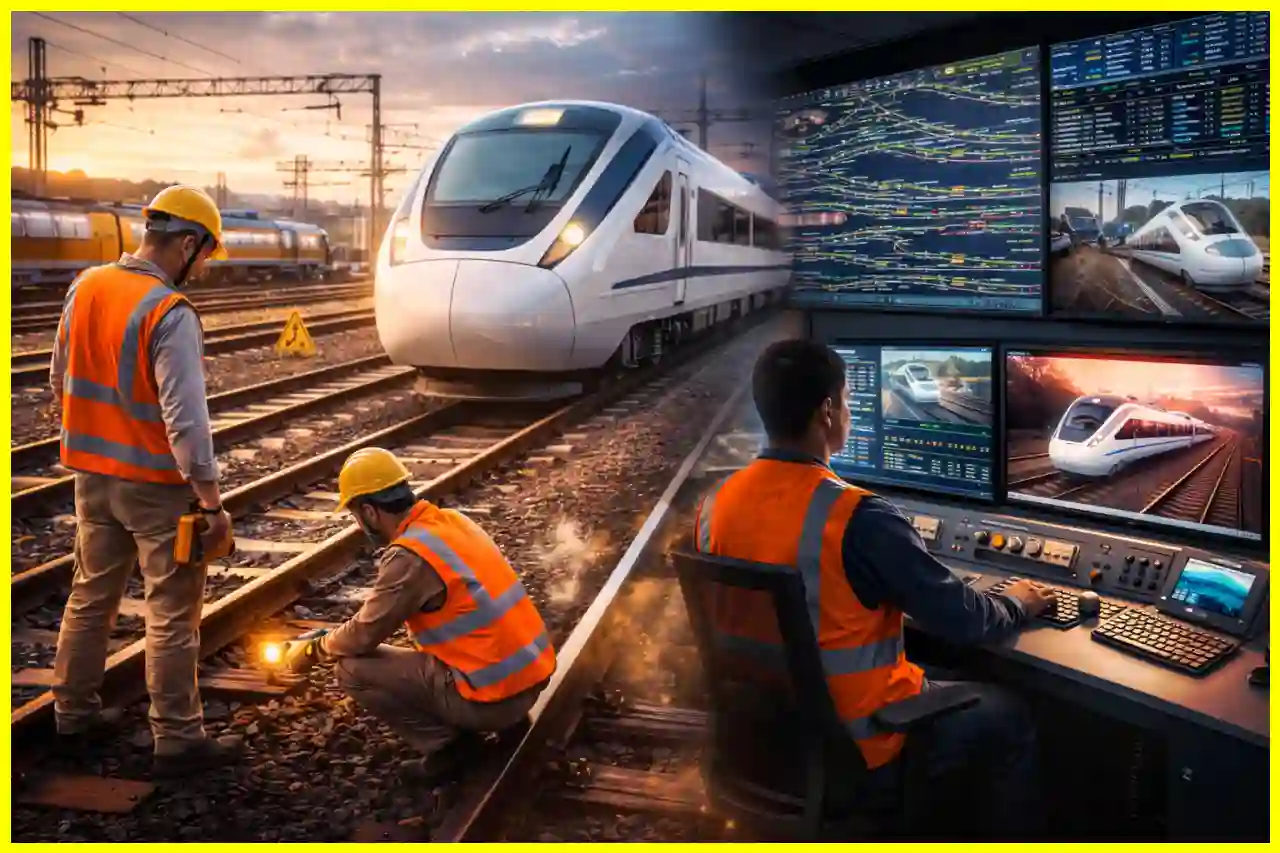

Responding to an unstarred question raised in Parliament by MP Dr. Mannalal Rawat, the Railway Minister stated that resultant rail accidents have declined by nearly 90 percent. According to official figures, 135 accidents were recorded in 2014–15, while only 14 accidents were reported till February 28 in 2025–26.
The minister informed that expenditure on safety-related activities in Indian Railways has been increased considerably. The spending, which stood at ₹39,200 crore in 2013–14, has increased to ₹1,20,389 crore by 2026–27.
To reduce accidents caused by human error, centralised operation of points and signals through electrical and electronic interlocking systems has been implemented at 6,665 railway stations as of February 28, 2026. Additionally, interlocking arrangements have been installed at 10,153 level crossing gates to enhance safety.
Railways have also ensured complete track circuiting through electrical systems at 6,669 stations to verify track occupancy. Detailed instructions have been issued on signal system safety, including mandatory uniformity checks, change management protocols and preparation of final drawings. The disconnection and reconnection process for signalling and telecom equipment has also been reinforced as per standard protocols.
Special Vigilance During Fog
The Railway Minister said that retro-reflective sigma boards are installed on masts in electrified sections to alert train crews about signals ahead when visibility is low due to fog.
In fog-prone areas, GPS-based Fog Safety Devices (FSD) are provided to loco pilots. These devices help them identify the distance to important landmarks such as signals and level crossings.
Use of Modern Track Technology
The minister also highlighted that modern track structures are being used during primary track renewals. Advanced machines such as PQRS, TRT and T-28 are being used to reduce human errors while laying railway tracks.
Modern systems are also being used to detect faults and remove defective tracks in time. A web-based online monitoring system for track assets, along with a track database and decision support system, has been adopted to ensure better maintenance planning and optimal use of resources.
Regular Inspection of Railway Bridges
Railway bridges are inspected regularly to ensure structural safety. Based on the condition assessed during inspections, repair and restoration works are carried out.
Passenger Awareness Measures
Indian Railways has also displayed statutory fire safety information in passenger coaches. Fire safety posters have been installed in coaches to educate passengers about precautions such as avoiding carrying inflammable materials, explosives, smoking inside coaches and other safety guidelines.
Kavach System Developed
The minister said that Kavach 4.0, the automatic train protection system developed by Indian Railways, includes all major features required for diverse railway networks. It has been successfully operational on 1,452 route kilometres covering high-density routes such as Delhi–Mumbai and Delhi–Howrah.
Training of Railway Personnel
To ensure effective implementation, Indian Railways has organised special training programmes on the Kavach system at its centralised training institutes. So far, more than 55,000 technicians, operators and engineers have been trained in the technology, including around 47,500 loco pilots and assistant loco pilots.

Bhupendra Singh Chundawat is a seasoned technology journalist with over 22 years of experience in the media industry. He specializes in covering the global technology landscape, with a deep focus on manufacturing trends and the geopolitical impact on tech companies. Currently serving as the Editor at Udaipur Kiran, his insights are shaped by decades of hands-on reporting and editorial leadership in the fast-evolving world of technology.
Related News
- MDS School Wins Double Team Title in District-Level Lawn Tennis Championship
- Awareness Programme on My Bharat and Viksit Bharat Quiz Held at Sai Tirupati University
- Pacific University Student Nishant Nagda Selected for Indian Lacrosse Team
- Seven Pacific MBA Students Selected by Taste of Mom at ₹15 Lakh Annual Package