

Heavy Snowfall in Himachal, 600 Roads Blocked; Rising Water Levels in Jammu & Kashmir Rivers

CBSE Board Exams Unaffected, But 10th-12th State Board Exams Postponed
March 1, 2025 – Severe snowfall and heavy rainfall continue to disrupt life across India’s northern states, particularly Himachal Pradesh and Jammu & Kashmir. While higher altitudes of Himachal Pradesh remain blanketed in snow, the lower regions have been witnessing persistent rainfall for the past three days. According to forecasts, more snow and rain are expected on March 3, while clear weather is likely from March 5 and 6 onwards.
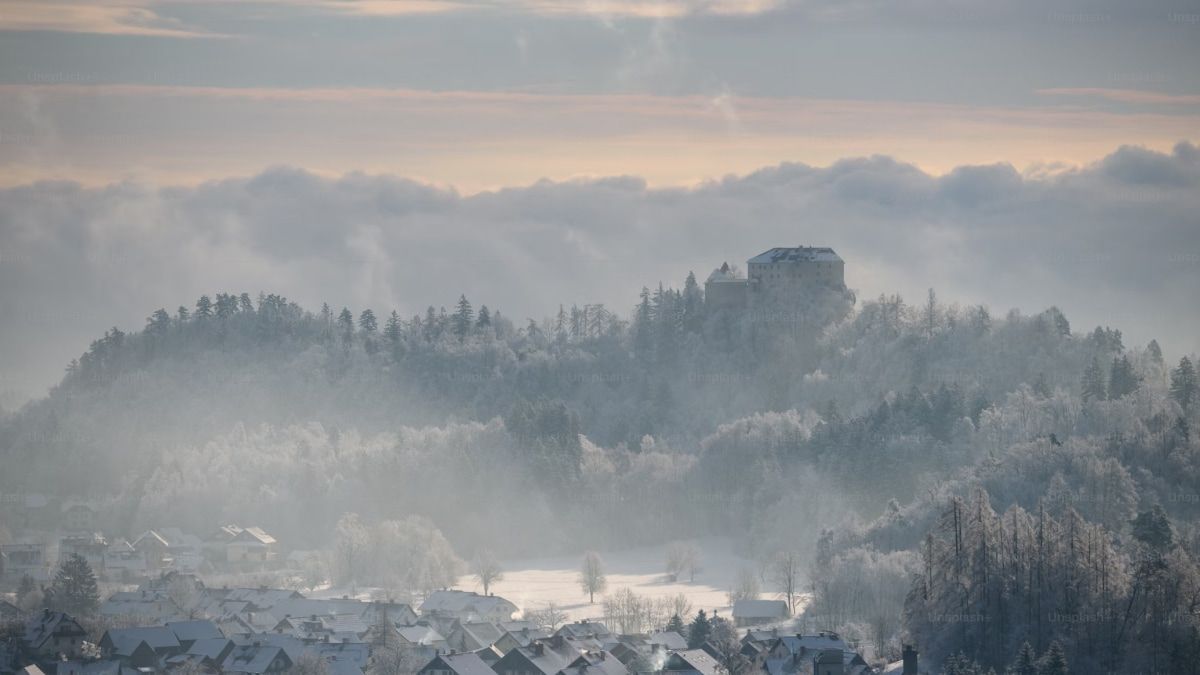
Himachal Pradesh: Roads Shut, Power Supply Disrupted
The State Emergency Operation Center reported that:
- 650+ roads, including the Badrinath National Highway, have been shut due to heavy snowfall.
- More than 2,300 power transformers have been damaged, causing widespread power outages.
- Flash floods triggered by cloudbursts in Kangra and Kullu washed away over 10 vehicles.
- Schools and colleges in Chamba and Manali have been closed, but CBSE board exams will continue as scheduled.
Jammu & Kashmir: Record Snowfall, Rising Water Levels
Between February 25 and 28, Jammu & Kashmir witnessed:
- 113 cm snowfall in Gulmarg (the highest recorded in the region).
- 75 cm snowfall in Sonamarg.
- Relentless rainfall increased river and water body levels by 3 to 4 feet.
Due to harsh weather conditions, the Jammu & Kashmir government extended winter vacations for schools by six days.
Additionally, state board exams for 10th-12th scheduled on March 1 and 3 have been postponed to March 24 and 25.
Monsoon Deficit Recovered; Rainfall Records in Jammu
The continuous rainfall has compensated for nearly 50% of the winter rain deficit. Some of the highest recorded rainfall in Jammu includes:
- 163.7mm in Batote (Ramban district)
- 118mm in Katra
- 100mm in Banihal
Unusual Temperature Trends: March Expected to Be Hotter Than Normal
The India Meteorological Department (IMD) has warned of above-normal temperatures in March, with a high probability of heatwaves across most of India, excluding some southern regions.
This prediction follows an unusual February, where:
- The average temperature was recorded at 22.04°C, which is 1.34°C above normal—the highest since 1901.
- February rainfall measured at just 10.9mm, making it the 18th driest February in recorded history.
Weather Impact on Northern Plains: Drop in Temperatures
The adverse weather conditions in the Himalayas have also impacted the plains, leading to rainfall and temperature drops in Punjab, Haryana, and Chandigarh.
- Chandigarh recorded 10.9mm rainfall, causing a 3°C dip in temperature.
- Amritsar (Punjab) recorded 17.5mm, Gurdaspur 20.7mm, and Hoshiarpur 20.5mm rainfall.

Bhupendra Singh Chundawat is a seasoned technology journalist with over 22 years of experience in the media industry. He specializes in covering the global technology landscape, with a deep focus on manufacturing trends and the geopolitical impact on tech companies. Currently serving as the Editor at Udaipur Kiran, his insights are shaped by decades of hands-on reporting and editorial leadership in the fast-evolving world of technology.