

Jaipur, March 27 (Udaipur Kiran): The Southern Command conducted a large-scale Military Civil Fusion campaign across its area of responsibility, bringing together the armed forces, civil administration, security agencies, educational institutions, and industry partners in a coordinated effort to strengthen national-level preparedness.
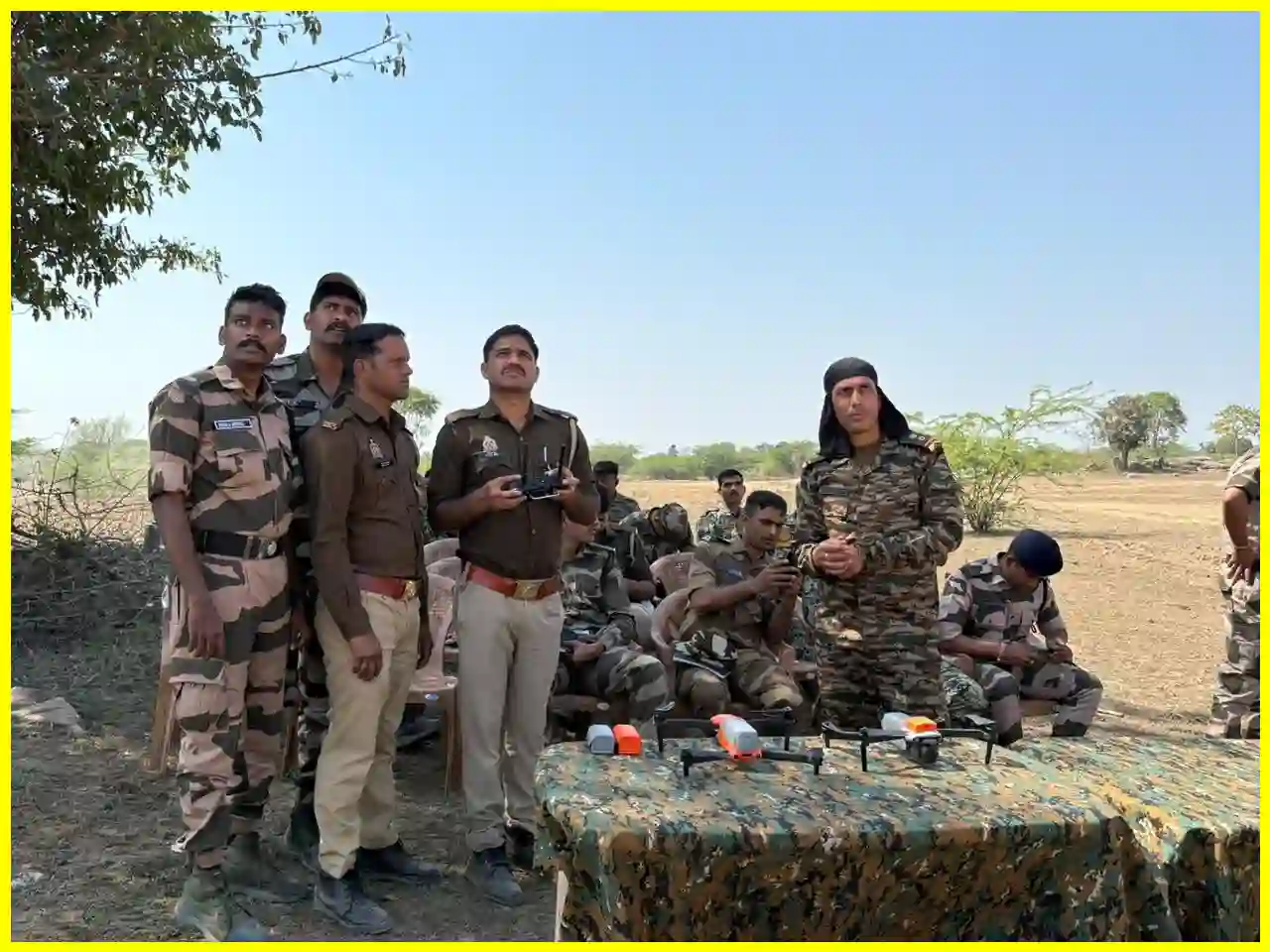

The campaign, held across military stations in Maharashtra, Gujarat, Rajasthan, and southern states, reaffirmed the Indian Army’s commitment to a whole-of-nation approach towards security. It promoted institutional convergence, enhanced coordination among agencies, and improved collective response capabilities amid an evolving and complex security environment.
The initiative showcased structured integration of operational, technological, administrative, and knowledge-based capabilities. It saw participation from central armed police forces, state police and law enforcement agencies, civil administration, disaster response agencies at both central and state levels, airport and civil aviation bodies, forest and mining departments, NCC, academic institutions, and industry stakeholders.
These joint efforts helped develop a shared understanding of emerging threats, encouraged adoption of common operating procedures, and highlighted the importance of integrated planning in areas such as internal security, airspace awareness, crisis response, disaster management, technology-enabled surveillance, and protection of sensitive regions.
As part of the campaign, a high-level table top exercise was conducted at the Headquarters Southern Command in Pune to assess hinterland security preparedness in the context of emerging multi-domain threats. The exercise was chaired by Lieutenant General Dheeraj Seth, PVSM, UYSM, AVSM, General Officer Commanding-in-Chief, Southern Command. It was attended by senior officials from the Maharashtra government, divisional railway managers from various zones, and representatives from central armed police forces, law enforcement agencies, and other institutions.
Several focused activities were also organised in line with emerging requirements. At Aundh Military Station in Pune, a multi-agency exercise tested joint response mechanisms and common procedures involving the armed forces, civil administration, disaster response agencies, police, and NCC. In Bhopal, a Counter-UAS seminar brought together military experts, civil aviation representatives, and officials from the Airports Authority of India to strengthen cooperation against emerging aerial threats.
In Babina, joint activities involving the Army, police, forest, and mining departments, including surveillance, coordinated patrols, and outreach in nearby villages, enhanced ground-level coordination and regional security. A security conference held at Vijay War Memorial in Chennai saw senior representatives from the armed forces, civil administration, and state agencies deliberate on internal security and crisis response.
Activities in Belagavi and Hyderabad further strengthened inter-agency cooperation in training, preparedness, and institutional coordination, while initiatives in Jodhpur and Jaisalmer reinforced civil-military coordination, information sharing, and collective readiness in strategically important regions.
A key highlight of the campaign was the unified approach adopted by diverse agencies, working together with a shared sense of purpose. The Indian Army, along with government and civil agencies, collaborated closely, contributing their respective strengths and promoting mutual learning. These efforts improved trust, streamlined information flow, enabled faster decision-making, and ensured a more coordinated response to dynamic situations.
The Military Civil Fusion campaign underlined that contemporary security challenges require seamless partnership between military systems and the broader national ecosystem. By integrating operational preparedness with civilian capabilities, technological awareness, and inter-agency coordination, the Southern Command has advanced a model of preparedness that is collaborative, adaptive, and future-oriented.

Bhupendra Singh Chundawat is a seasoned technology journalist with over 22 years of experience in the media industry. He specializes in covering the global technology landscape, with a deep focus on manufacturing trends and the geopolitical impact on tech companies. Currently serving as the Editor at Udaipur Kiran, his insights are shaped by decades of hands-on reporting and editorial leadership in the fast-evolving world of technology.