

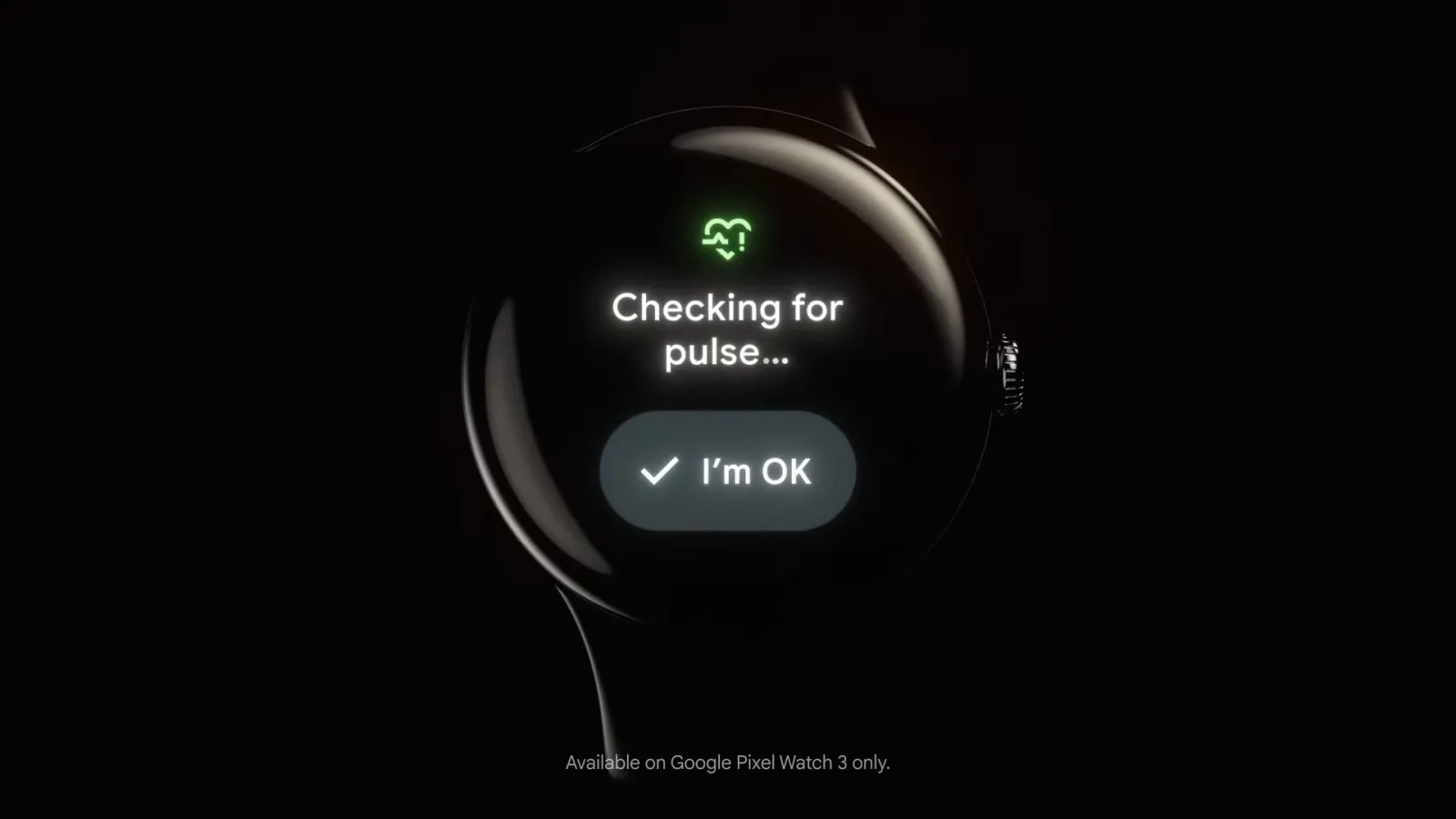

Google’s Pixel Watch 3 is set to receive its highly anticipated “Loss of Pulse Detection” feature in the United States starting March 2025, following regulatory approval from the Food and Drug Administration (FDA). This lifesaving health feature, which was previously available in select European countries, is designed to detect a loss of pulse (heart stoppage) and automatically call emergency services if the user does not respond.
The Pixel Watch 3 is already equipped with advanced health and safety features, including Irregular Heart Rhythm Notifications and an ECG app, but the addition of Loss of Pulse Detection further solidifies its role as a cutting-edge health monitoring device.
What is Loss of Pulse Detection?
Loss of Pulse Detection is a health and safety feature designed to identify situations where a user’s heart stops beating due to:
- Cardiac arrest
- Respiratory or circulatory failure
- Drug overdose
- Poisoning
When a loss of pulse event is detected, the Pixel Watch 3 will prompt the user to confirm their condition. If the user does not respond or show movement, the watch will:
- Automatically call emergency services
- Provide the user’s real-time location
- Share relevant context with first responders
This system is similar to Car Crash and Fall Detection, which are already available on Google’s Pixel devices.
How Does Loss of Pulse Detection Work?
Google has integrated AI-driven signal processing algorithms with the Pixel Watch 3’s advanced heart rate monitor and motion sensors to make Loss of Pulse Detection possible.
The feature constantly analyzes heart rate patterns and bodily movement to detect any significant anomalies. If it identifies a potentially dangerous drop in pulse, it initiates an emergency response sequence.
Limitations and Warnings
Google has stated that:
- “Loss of Pulse Detection may not detect every instance of a loss of pulse.”
- It is not intended for users with pre-existing heart conditions or those who require constant cardiac monitoring.
- It does not diagnose, treat, or provide follow-up care for any medical conditions.
Availability and Rollout
Loss of Pulse Detection was first introduced in 14 European countries at launch but was delayed in the U.S. pending FDA clearance. Now that the feature has received regulatory approval, Google will begin rolling it out to Pixel Watch 3 users in the U.S. by the end of March 2025.
Pixel Watch 3’s Growing List of Health Features
With the addition of Loss of Pulse Detection, the Pixel Watch 3 now offers one of the most advanced health monitoring systems available on a smartwatch. Some of its other key health-tracking features include:
- Irregular Heart Rhythm Notifications – Alerts users if their heart rate shows signs of atrial fibrillation (AFib).
- ECG App – Allows users to check their heart’s electrical activity for potential irregularities.
- Blood Oxygen (SpO2) Monitoring – Tracks oxygen saturation levels to detect potential respiratory issues.
- Fall Detection – Automatically contacts emergency services if the user falls and remains unresponsive.
These features, combined with Loss of Pulse Detection, position the Pixel Watch 3 as one of the most comprehensive health-focused smartwatches on the market.
Why Loss of Pulse Detection is a Game-Changer
While many smartwatches offer basic heart rate tracking, Loss of Pulse Detection is a groundbreaking feature that could save lives. Sudden cardiac arrest is a leading cause of death globally, and immediate intervention is crucial for survival.
By automatically contacting emergency services in the event of a life-threatening situation, the Pixel Watch 3 significantly improves the chances of getting timely medical assistance.
How It Compares to Apple and Samsung Watches
The Apple Watch Series 9 and Samsung Galaxy Watch 6 offer features like Irregular Heart Rhythm Notifications and ECG readings, but neither device currently includes a Loss of Pulse Detection system.
This gives Google a competitive advantage in the smartwatch market, particularly for users focused on advanced health monitoring and safety features.

Bhupendra Singh Chundawat is a seasoned technology journalist with over 22 years of experience in the media industry. He specializes in covering the global technology landscape, with a deep focus on manufacturing trends and the geopolitical impact on tech companies. Currently serving as the Editor at Udaipur Kiran, his insights are shaped by decades of hands-on reporting and editorial leadership in the fast-evolving world of technology.