


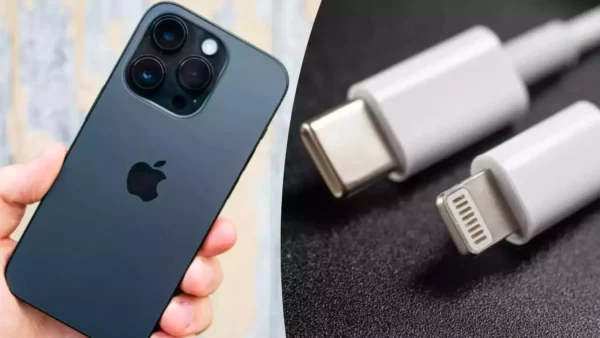

Brussels: Apple announced its new iPhone range on Tuesday, replacing the latest model’s Lightning port with a universal charger after a dispute with the European Union. The European Union will require all cell phones and other small devices to be compatible with USB-C charging cables from the end of next year, reducing waste and saving consumers money.
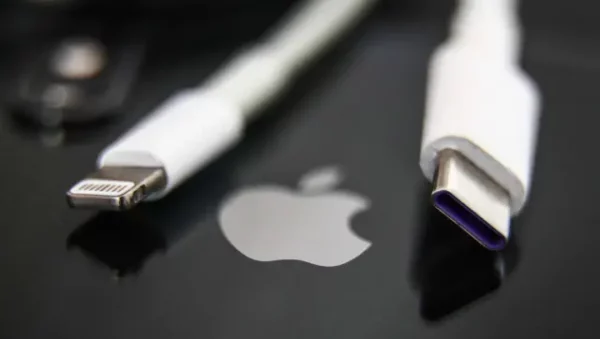
The company has long claimed that its cables are safer than USB-C chargers. USB-C chargers are already offered by Apple for other devices and are widely used by rivals such as Samsung, the world’s largest smartphone maker. “USB-C has become a globally accepted standard, which is why we’re bringing USB-C to iPhone 15,” said Kayan Dorrance, Apple’s vice president of iPhone marketing at the launch.
The release comes as Apple faces declining iPhone sales and rising prices are causing customers to delay upgrading to new models. The company has also been embroiled in diplomatic turmoil between the United States and China, with reports of a cell phone ban by the communist government.
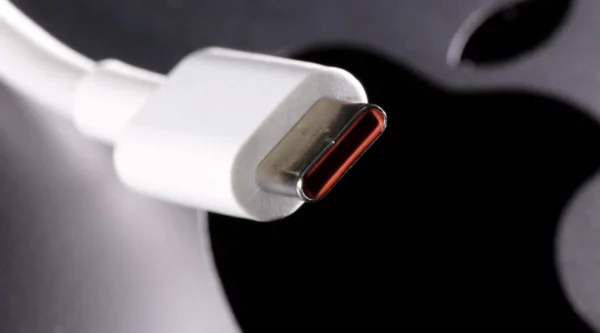
Like other companies, Apple prefers to showcase shiny new features rather than new charging ports. However, analysts agree that the transition to USB-C will be the main theme. EU politicians said the rules would make life easier for Europeans and get rid of thousands of old chargers.
“Cable switching may give consumers pause, but they will get over it in a generation. They have no choice,” said Avi Greengart, analyst at Techsponential. In addition to incremental improvements to the iPhone’s camera and chip, Apple also announced that four iPhone 15 models will have internal components that make repairs easier, as well as a new bezel that makes replacing the back glass easier.
Last month, Apple announced that it would support the passage of a law in California that would require major device manufacturers to allow people to repair their devices without having to return them to the office. Apple also introduced new Apple Watch models that respond to the touch of your index finger and thumb to start and end calls and perform other essential functions.
iPhone sales were lower than analysts expected last quarter. Apple’s iPhone sales, which account for nearly half of total revenue, fell 2.4 percent. Apple shares fell last week following reports of significant Chinese restrictions on iPhones in government agencies and government agencies.
Analyst Greengart told AFP: “China is a very important market for Apple, so the Chinese government’s negative feelings towards Apple are worrying.” Last quarter, Apple reported sales of $15.8 billion in China, about 20 percent of its total revenue. Executives noted that sales in China increased while overall sales declined.
Wedbush analyst Don Ives estimates that the Chinese government’s ban will affect fewer than 500,000 of the roughly 45 million iPhones sold in the country next year.

Bhupendra Singh Chundawat is a seasoned technology journalist with over 22 years of experience in the media industry. He specializes in covering the global technology landscape, with a deep focus on manufacturing trends and the geopolitical impact on tech companies. Currently serving as the Editor at Udaipur Kiran, his insights are shaped by decades of hands-on reporting and editorial leadership in the fast-evolving world of technology.