
Vivo V50 vs Vivo V40: A Detailed Comparison of Price, Specs & Features
The Vivo V50 and Vivo V40 are two of the most competitive mid-range smartphones available in the market. Vivo has consistently impressed consumers with cutting-edge designs, high-performance hardware, and powerful cameras, making both models strong contenders for buyers seeking premium features at an affordable price.
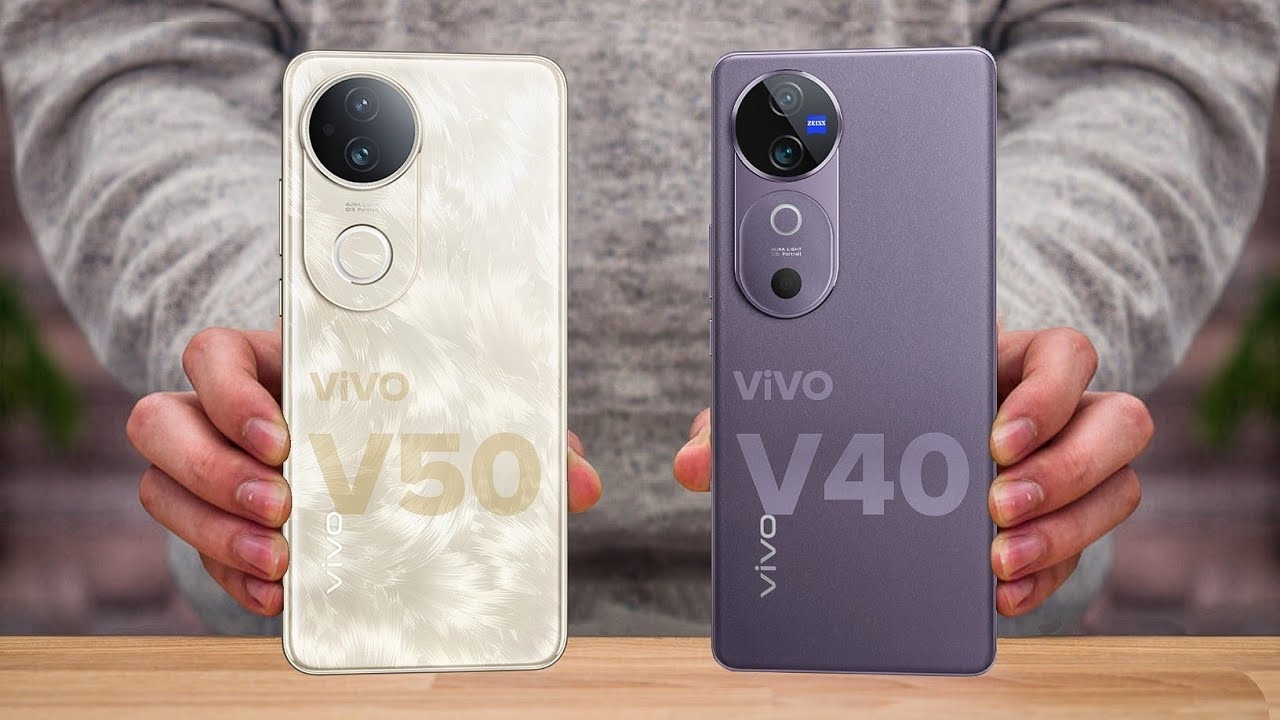

While the Vivo V40 made waves with its sleek design, immersive display, and powerful optics, the Vivo V50 builds on this foundation with noteworthy upgrades in display resolution, battery life, and processing power. If you’re wondering whether to upgrade to the V50 or stick with the V40, this in-depth comparison will help you make an informed decision.
Vivo V50 vs Vivo V40: Price Comparison
- Vivo V50 Price: ₹39,999 (Base Variant)
- Vivo V40 Price: ₹35,999
The Vivo V50 is slightly more expensive than the Vivo V40, but this price difference comes with enhanced performance, improved display quality, and better battery life. However, if you’re looking for a more budget-friendly option, the Vivo V40 remains a strong choice.
Vivo V50: Features & Specifications
1. Premium Display for an Immersive Experience
The Vivo V50 features a 6.78-inch 1.5K AMOLED display with a 120Hz refresh rate, ensuring ultra-smooth visuals, vibrant colors, and sharp details. Whether you’re streaming content, playing games, or browsing, the high-resolution display makes everything look stunning.
2. Powerful Performance with Dimensity 9200+
At the heart of the Vivo V50 lies the Dimensity 9200+ processor, which delivers exceptional gaming and multitasking performance. Combined with advanced cooling technology, this chipset ensures efficient power management and smooth gameplay.
3. High-Resolution Camera Setup
- 50MP Primary Camera with OIS (Optical Image Stabilization)
- 50MP Ultra-Wide Lens for capturing expansive shots
- 50MP Front Camera for ultra-detailed selfies
The triple 50MP setup ensures stunning photography, even in low-light conditions, making it a powerhouse for mobile photography enthusiasts.
4. Long-Lasting Battery with Super-Fast Charging
Equipped with a massive 6000mAh battery, the Vivo V50 provides all-day power without frequent recharging. The 90W fast charging capability allows you to charge up quickly, minimizing downtime and keeping you connected.
Vivo V40: Features & Specifications
1. Stunning Full HD+ AMOLED Display
The Vivo V40 also features a 6.78-inch AMOLED display with a 120Hz refresh rate, providing smooth scrolling and vivid visuals. While it lacks the 1.5K resolution of the V50, it still offers an excellent viewing experience.
2. Reliable Performance with Snapdragon 7 Gen 3
The Snapdragon 7 Gen 3 chipset powers the Vivo V40, delivering fast performance for everyday tasks and gaming. While it’s not as powerful as the Dimensity 9200+ in the V50, it still handles multitasking and app usage with ease.
3. Impressive Camera System
- 50MP Primary Camera with OIS for clear, sharp images
- 50MP Ultra-Wide Lens for capturing more in a single frame
- 50MP Front Camera for high-quality selfies
The dual-camera setup on the Vivo V40 is impressive, but the Vivo V50’s triple-camera system offers more versatility for photography lovers.
4. Strong Battery Life with Fast Charging
With a 5500mAh battery, the Vivo V40 provides long hours of usage on a single charge. The 80W fast charging ensures quick recharges, making it a dependable device for heavy users.
Vivo V50 vs Vivo V40: Key Differences
| Feature | Vivo V50 | Vivo V40 |
|---|---|---|
| Price | ₹39,999 | ₹35,999 |
| Display | 6.78-inch 1.5K AMOLED, 120Hz | 6.78-inch FHD+ AMOLED, 120Hz |
| Processor | Dimensity 9200+ | Snapdragon 7 Gen 3 |
| Primary Camera | 50MP + 50MP + 50MP | 50MP + 50MP |
| Front Camera | 50MP | 50MP |
| Battery | 6000mAh | 5500mAh |
| Fast Charging | 90W | 80W |

Bhupendra Singh Chundawat is a seasoned technology journalist with over 22 years of experience in the media industry. He specializes in covering the global technology landscape, with a deep focus on manufacturing trends and the geopolitical impact on tech companies. Currently serving as the Editor at Udaipur Kiran, his insights are shaped by decades of hands-on reporting and editorial leadership in the fast-evolving world of technology.