

US Critiques India’s Manufacturing Policies and Proposes Tariffs
The US Trade Representative has accused India of creating excess manufacturing capacity through its policies, while proposing tariffs on imports from India.

NEW DELHI, Nov 26: The US Trade Representative (USTR) has criticized India’s manufacturing policies, particularly its Production Linked Incentive (PLI) scheme, claiming these initiatives are creating excess capacity in various sectors. This follows a proposal for 25 percent tariffs on Indian imports, which could be reduced to 17 percent if a bilateral trade agreement is reached.
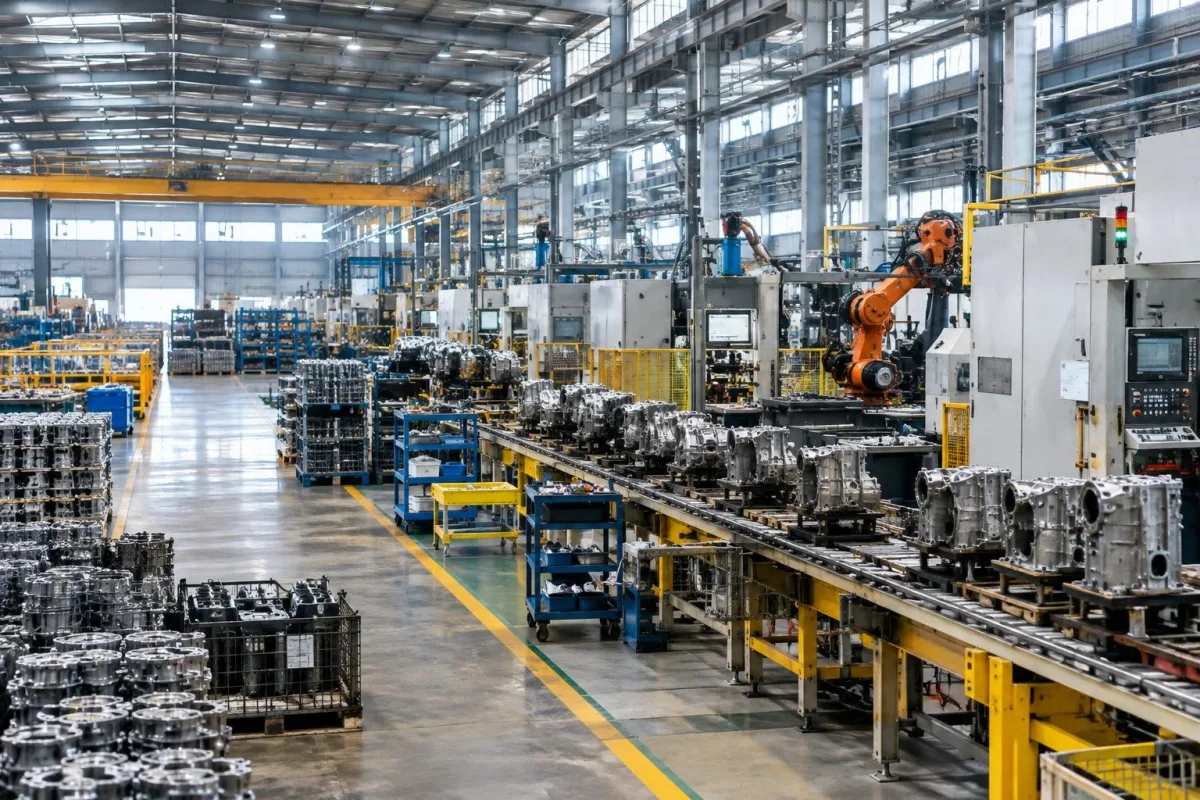
The USTR’s report highlights that India’s government-backed industrial plans, such as the PLI and Make in India, are exacerbating structural excess capacity and production, especially in sectors like steel, solar, healthcare, and information technology. These practices reportedly create competitive disadvantages for US manufacturers.
The PLI scheme, launched in 2020, aims to boost India’s manufacturing by providing financial incentives based on incremental sales. Initially focused on three sectors, it has expanded to cover 14 industries, including electronics and textiles. Despite significant growth, the USTR argues that these incentives encourage overproduction beyond market needs.
Specific figures demonstrate growth under the PLI initiative. For instance, India’s mobile phone production rose dramatically from 58 million units in 2014-2015 to 330 million units in 2023-2024, while imports declined significantly. However, concerns persist regarding India’s reliance on China for key components, particularly in pharmaceuticals, where approximately 87 percent of imported antibiotic ingredients, by value, come from China.
The USTR’s findings point to that reliance as a factor diminishing the competitiveness of US pharmaceutical manufacturers. Despite India’s growth in generic medicines, its dependency on Chinese active pharmaceutical ingredients provides it with a pricing edge that US firms struggle to match.
The report also flags rising imports from non-market economies, especially China, contributing to distortions in competitive conditions within India. It contends that these policies create unfair advantages for Indian producers while limiting opportunities for US companies.
The USTR’s investigation highlights India’s structural excess capacity in manufacturing, attributing it to government incentives and foreign dependency on imports. The report is part of an ongoing evaluation but does not impose immediate tariffs or restrictions.