

WhatsApp Launches Message Scheduling Feature for All Users
WhatsApp has rolled out a message scheduling feature for both individual and group chats, enabling users to send messages at a later time.

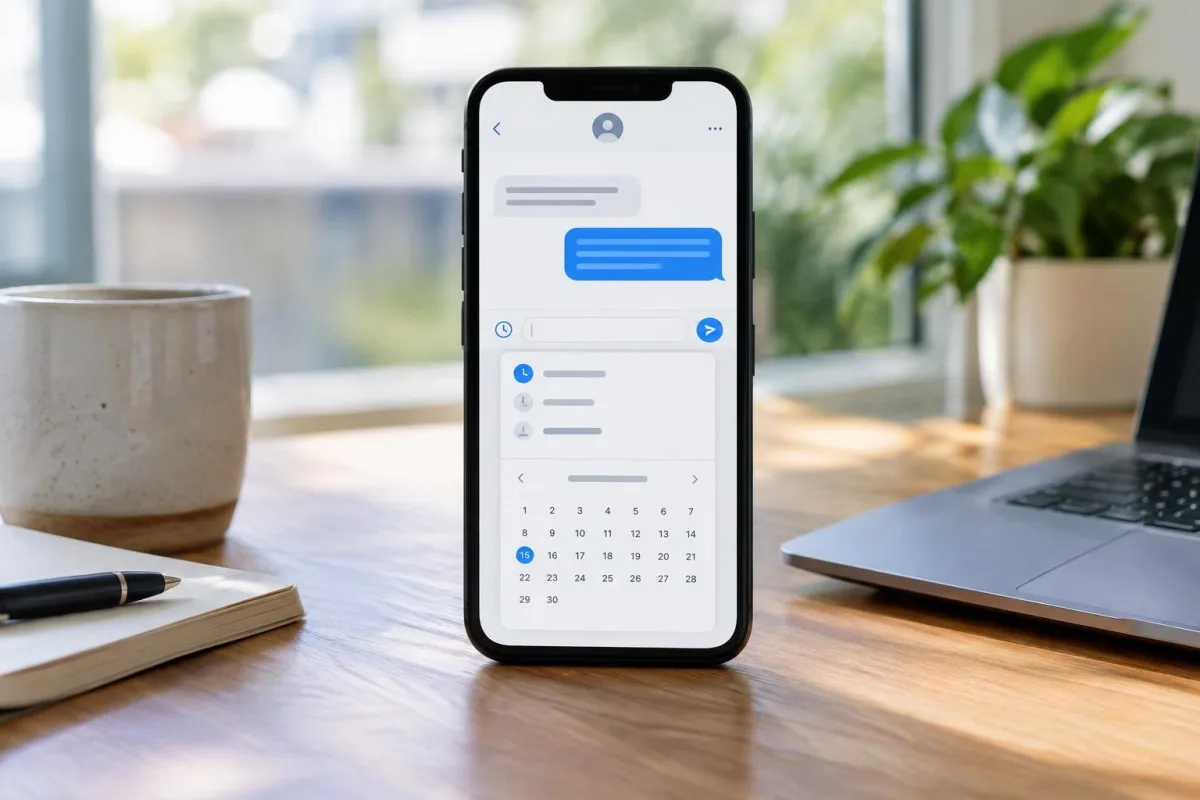
NEW DELHI, Nov 26: WhatsApp has launched a long-awaited feature that allows users to schedule messages for delivery in both individual and group chats. Users can now set messages to be sent between 10 minutes and 14 days later, according to the company.
To schedule a message, users must press and hold the send button, selecting their desired date and time from a menu. This feature supports text, photos, and videos, ensuring that users can communicate effectively even if they are unavailable at the moment a message is supposed to be sent.
WhatsApp noted that this feature is end-to-end encrypted, meaning that messages remain private. Reports also indicate that scheduled messages will be delivered even if a user’s phone is off or has no battery power.
In a blog post, WhatsApp emphasized the social utility of scheduled messages, suggesting scenarios such as sending timely birthday wishes or coordinating communications across different time zones. The company stated, “Some messages are better sent a little later.”
Though the scheduled messaging capability had previously been available to WhatsApp Business users, it is now rolling out globally to all users on both iOS and Android platforms. Users can review and delete any scheduled messages before they are sent, but it remains unclear if there is an option to edit the scheduled time once set.
While WhatsApp’s introduction of this feature aligns it with similar functionalities offered by competitors like Telegram and Signal, the delay in its rollout has drawn some user criticism. Scheduled messaging is widely recognized as a common feature in numerous messaging applications.
WhatsApp confirmed that the rollout would occur over the coming weeks, allowing its three billion users to take advantage of this new functionality.