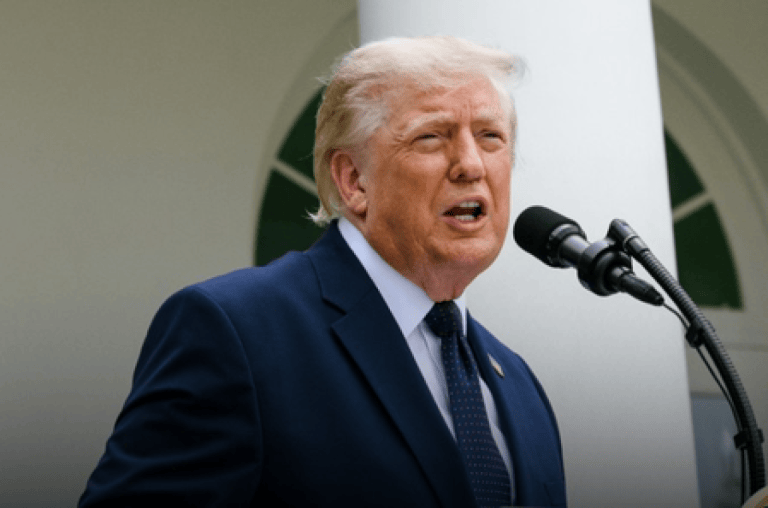

Trump Unveils Bold Policy Shifts: 100% Tariff on Foreign Films and Revival of Alcatraz Prison
Washington D.C., May 5, 2025 — In a pair of dramatic and controversial announcements, former U.S. President Donald Trump has declared a 100% tariff on all foreign films and issued executive orders to reopen the infamous Alcatraz Federal Penitentiary. These developments, unveiled via Trump’s social media platform Truth Social, have ignited a storm of political debate, drawing both praise and criticism from across the spectrum.
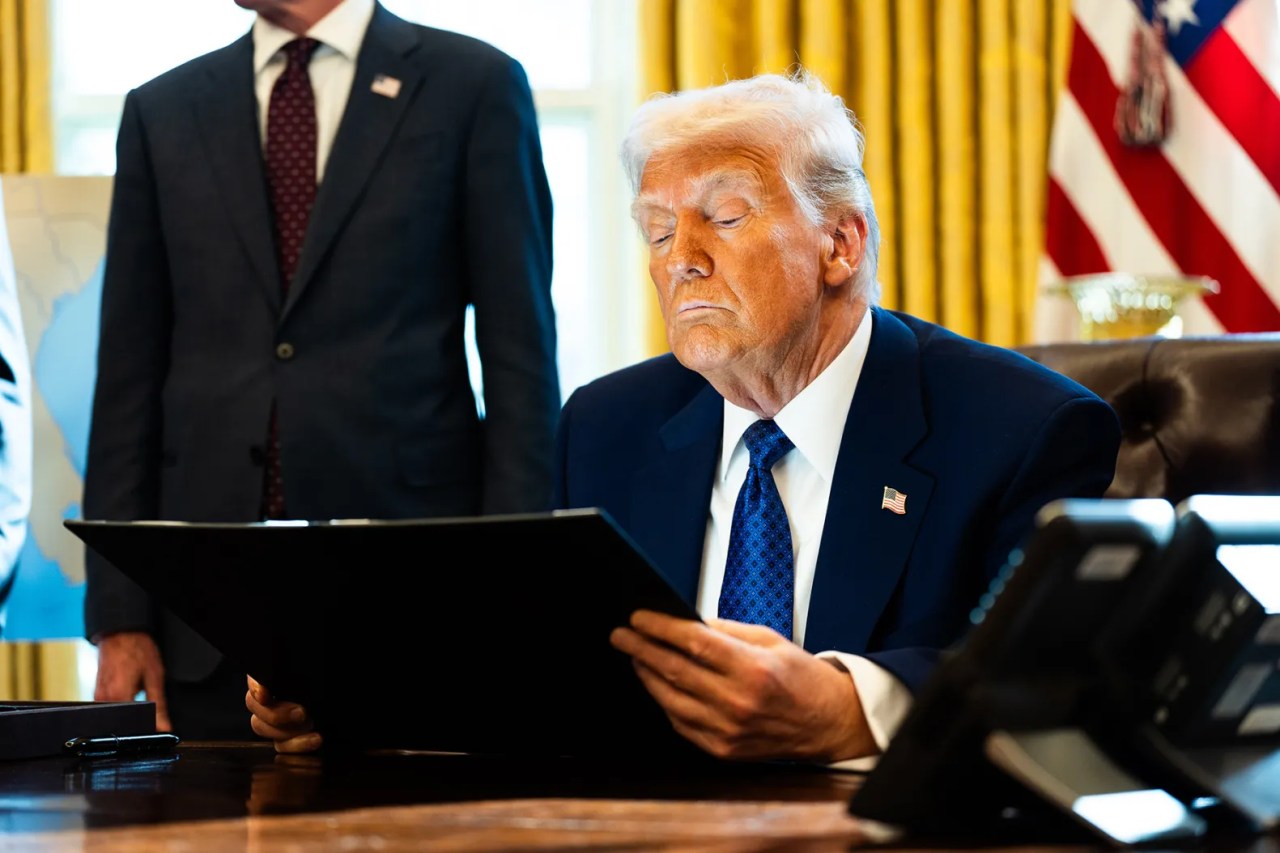

The twin decisions form a pivotal part of Trump’s “America First” doctrine, aiming to bolster domestic industries and enforce stricter national security protocols. The move is widely seen as a strategic step in his ongoing campaign for the 2024 presidential election and a reassertion of his hardline stance on trade and law enforcement.
100% Tariff on Foreign Films: “Protecting American Culture and Security”
Trump’s decision to impose a 100% tariff on all imported films is intended to revitalize the struggling American film industry. Declaring Hollywood to be “under threat,” Trump claimed that foreign nations are actively luring U.S. studios and filmmakers abroad with generous tax incentives and production subsidies.
“America’s movie industry is dying fast,” Trump posted. “Other countries are stealing our storytellers. This is not just about trade. This is a direct assault on American culture and mental sovereignty.”
According to Trump, the exodus of film production from U.S. soil represents a “national security threat,” accusing foreign media entities of pushing propaganda that undermines American values. The tariff, effective immediately upon congressional approval, would apply to all theatrical and streaming releases imported into the U.S.
Economic Implications
Economists and trade analysts have warned of potential backlash from foreign partners and retaliatory tariffs on U.S. goods. Hollywood, which relies heavily on international markets for revenue, may also face challenges in distribution and licensing. However, Trump’s supporters argue that the tariff will stimulate local job growth, reignite domestic film production, and restore American cultural leadership.
Industry Response
The Motion Picture Association (MPA) issued a statement expressing “deep concern” over the policy’s economic impact. “International collaboration and distribution are the lifeblood of the modern film industry,” the association said. “This tariff risks isolating American cinema in a globally interconnected entertainment ecosystem.”
Alcatraz Prison to Reopen: A New Home for “America’s Most Dangerous Criminals”
In a separate yet equally headline-grabbing move, Trump announced the reopening of Alcatraz Federal Penitentiary, the legendary prison located on an island in San Francisco Bay. Closed in 1963 due to rising operating costs and deteriorating infrastructure, Alcatraz has since served as a historical monument and major tourist attraction.
Now, Trump has directed the Federal Bureau of Prisons, the Department of Justice, FBI, and Department of Homeland Security to oversee its transformation into a modern, high-security correctional facility.
“Alcatraz is back — bigger, tougher, and more secure than ever,” Trump declared. “We’re going to house the worst of the worst, right where they belong — behind bars and off our streets.”
Rebuilding the Rock
Trump’s order includes a full structural overhaul of Alcatraz to accommodate 21st-century security requirements. Plans include biometric access systems, AI-powered surveillance networks, underwater perimeter detection, and isolation units for high-risk offenders. The initiative has already been nicknamed “Alcatraz 2.0” by media outlets.
Who Will Be Held?
While specific categories of inmates were not outlined, insiders suggest the facility will focus on housing terrorists, organized crime figures, and repeat violent offenders. There is also speculation that Trump’s administration might explore transferring certain high-profile inmates from overcrowded maximum-security prisons.
Tourism vs. Security
San Francisco tourism officials have expressed concern about the island’s repurposing. Alcatraz receives over 1.4 million visitors annually and is considered one of the city’s most iconic attractions.
“We understand national security concerns, but Alcatraz is also a symbol of history and resilience,” said a spokesperson for San Francisco Travel Association. “Its transformation into an active prison could heavily impact local tourism.”
Legal and Political Ramifications
Both of Trump’s announcements are likely to face substantial legal and political scrutiny. The film tariff, in particular, could violate World Trade Organization (WTO) regulations and existing international trade agreements, potentially resulting in complaints or sanctions from affected nations.
Similarly, the reopening of Alcatraz involves layers of jurisdictional and environmental complications. The island is managed by the National Park Service, and significant lobbying efforts may be required to repurpose it as a federal correctional facility once again.
Congressional Response
Democrats and some moderate Republicans have criticized the moves as politically motivated and overly aggressive. Senate Majority Leader Chuck Schumer issued a statement calling the tariff “reckless” and “potentially disastrous” for U.S. diplomacy and cultural exports.
Civil liberties groups have also questioned the rationale for reopening a defunct prison instead of investing in prison reform. “This is a step backward,” said the ACLU in a post on X (formerly Twitter). “Real justice means rehabilitation, not showmanship.”
However, Trump’s base has rallied behind the decisions, viewing them as bold steps to reclaim American sovereignty in both cultural and security domains.
A Strategy Rooted in Nationalism and Control
The twin announcements serve as a clear reaffirmation of Trump’s nationalist and protectionist policy approach. By targeting cultural imports and law enforcement in one sweep, the former president seeks to reframe the political conversation around American strength, security, and self-reliance.
Political analysts interpret these decisions as an attempt to re-energize Trump’s base ahead of the 2024 U.S. presidential election, especially amid concerns about rising crime and economic volatility.
“These moves are classic Trump — assertive, populist, and aimed at dominating the news cycle,” said Dr. Rachel Stein, a political science professor at Georgetown University. “They tap into themes of cultural preservation, national pride, and fear of the outsider.”
What Comes Next?
While timelines for implementation remain uncertain, Trump’s directives have already sent ripples across both Hollywood and Washington D.C. The Department of Commerce is reportedly reviewing the feasibility and legality of enforcing the film tariff, while federal agencies begin logistical assessments for Alcatraz’s revival.
Meanwhile, legal experts predict potential lawsuits challenging the executive orders, especially if they bypass congressional oversight.
As the nation prepares for a critical election year, these announcements further underscore Trump’s intent to return to the political spotlight with hardline, high-impact policies.

Bhupendra Singh Chundawat is a seasoned technology journalist with over 22 years of experience in the media industry. He specializes in covering the global technology landscape, with a deep focus on manufacturing trends and the geopolitical impact on tech companies. Currently serving as the Editor at Udaipur Kiran, his insights are shaped by decades of hands-on reporting and editorial leadership in the fast-evolving world of technology.