


New Delhi, May 8: A significant step has been taken towards strengthening healthcare services in India. Union Health and Family Welfare Minister Jagat Prakash Nadda has announced the launch of the ‘Integrated Training for Primary Healthcare Teams’, aimed at enhancing the capabilities of healthcare workers operating at the grassroots level in villages and cities. This announcement was made during the 10th National Summit on ‘Innovation and Inclusivity: Best Practices Shaping India’s Health Future’.
Previously, training was provided separately for various health schemes, often leading to a fragmented process. The new framework integrates all training into a single system, allowing primary healthcare teams to receive comprehensive and organized training from one source. This will make their work more efficient and effective.
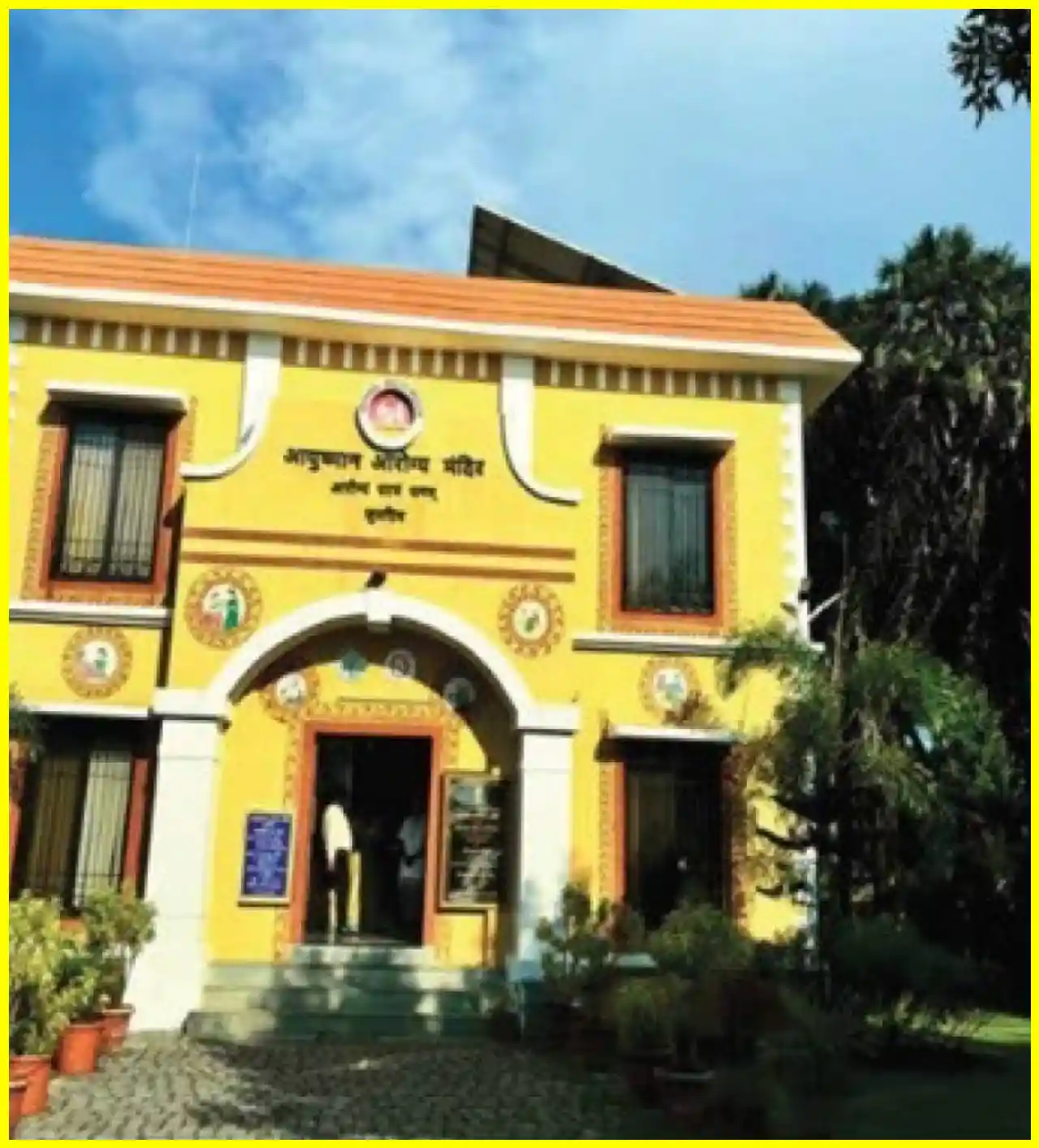
In recent years, there has been a strong focus on strengthening healthcare services in India. Under the ‘Ayushman Bharat Scheme’, ‘Ayushman Arogya Mandirs’ have been established across the country to provide primary healthcare services close to people’s homes. This initiative has reduced the need for individuals to travel long distances for minor treatments. Additionally, various community groups, such as Jan Arogya Samitis, Mahila Arogya Samitis, and village health and sanitation committees, are working together to enhance local healthcare services.
The government believes that a country’s healthcare system can only be strong if its foundation, the primary healthcare system, is robust. This is the first point of contact for patients. Providing timely treatment, proper advice, and assistance at this level can also alleviate the burden on larger hospitals.
Digital technology is also being utilized in this initiative. Healthcare workers will now be able to receive online training through the I Got Karmayogi platform, enabling them to continuously learn and improve their skills.
The government’s goal is not just to provide treatment but also to raise awareness among people before they fall ill. Therefore, this new system emphasizes prevention, timely identification, and appropriate treatment.
This initiative is unique in two significant ways. First, it enhances the capacity of community-based healthcare workers to provide empathetic, sensitive, and high-quality care. Second, it empowers women, who make up more than 70% of this workforce, including ASHA workers, ANMs, and CHOs. Prime Minister Modi has consistently highlighted the importance of ‘Nari Shakti’, and this initiative exemplifies that vision.
This new training framework is not merely a program but a transformative change. It will enhance the capabilities of healthcare workers, strengthen patient trust, and make the entire system more organized and effective. Notably, it will further empower women, given their substantial participation in primary healthcare services.

Bhupendra Singh Chundawat is a seasoned technology journalist with over 22 years of experience in the media industry. He specializes in covering the global technology landscape, with a deep focus on manufacturing trends and the geopolitical impact on tech companies. Currently serving as the Editor at Udaipur Kiran, his insights are shaped by decades of hands-on reporting and editorial leadership in the fast-evolving world of technology.