

Spanish Train Crash: High-Speed Collision Claims 69 Lives, Sparks Political Fallout
A high-speed train traveling at 160 kph collided with a stationary train in Spain, leading to 69 fatalities and significant political fallout ahead of upcoming elections.

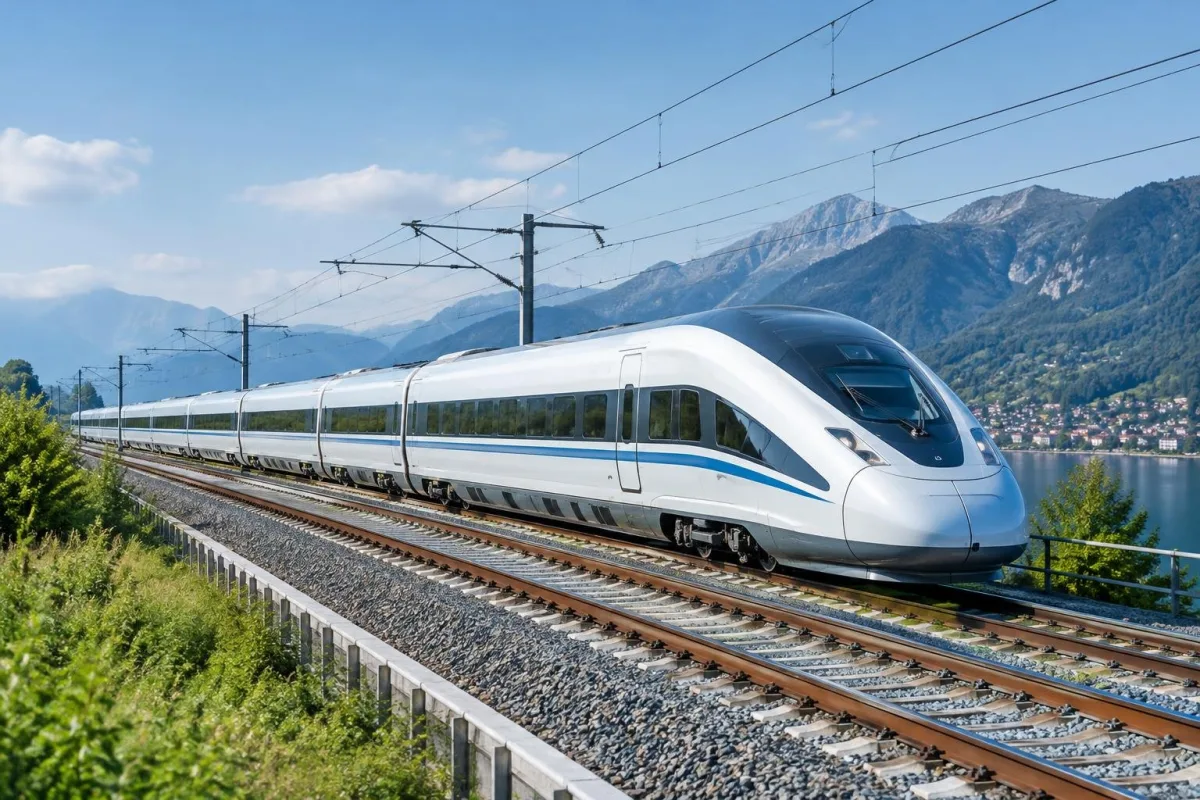
A high-speed train traveling at 160 kilometers per hour collided with a stationary train near Toledo, Spain, resulting in 69 confirmed deaths. The crash occurred at 8:53 AM on Wednesday, just minutes after Prime Minister Pedro Sanchez expressed optimism for the country’s future. This tragedy has shifted the focus of Spain’s upcoming general election, scheduled for November 29.
In response to the accident, the leader of the conservative Popular Party, Alberto Nunez Feijoo, emphasized the need for accountability. He remarked, “This is the moment to respect the dead, the injured and their families,” while urging for answers to pressing questions regarding the incident. The Popular Party has temporarily suspended its campaign activities for two days to honor the victims.
Transport Minister Oscar Puente indicated that the collision was linked to a failure of the LZB train-control system, in use since the high-speed line’s inception in the 1990s. Despite this, he defended the overall reliability of Spain’s rail system, which had transported approximately 45 million passengers last year.
The crash has reignited concerns over rail safety, with many questioning the pace of modernization and whether previous warnings about the infrastructure were adequately addressed. Isabel Pardo de Vera, former president of the state-run Adif, criticized the government’s slow transition to the more modern European Rail Traffic Management System (ERTMS).
This incident echoes previous train accidents in Spain, including a 2013 derailment that killed 80 people. Public sentiment regarding rail services has soured, with a recent survey indicating that over half of respondents felt services had worsened since Sanchez took office.
As political tensions rise, right-wing groups have organized protests demanding the Prime Minister’s resignation, with demonstrators expressing frustration over the government’s handling of public services. The far-right Vox party has intensified its rhetoric, accusing the current administration of mismanagement.
Prior to this incident, Sanchez’s government had aimed to focus the electoral debate on social issues, particularly the ongoing housing crisis. However, analysts suggest this tragedy has dramatically altered the political dynamic, complicating the Socialist Party’s campaign strategy.
With election day approaching, Sanchez’s party needs to address public safety concerns while also attempting to regain its footing among undecided voters. Recent polls indicate the Socialist Party lags behind the Popular Party, which currently leads with about 31.5% support compared to the Socialists’ 26.7%. The crash could have lasting effects on the electoral landscape as parties reassess their strategies in light of the tragedy.
Sources

Bhupendra Singh Chundawat is a seasoned technology journalist with over 22 years of experience in the media industry. He specializes in covering the global technology landscape, with a deep focus on manufacturing trends and the geopolitical impact on tech companies. Currently serving as the Editor at Udaipur Kiran, his insights are shaped by decades of hands-on reporting and editorial leadership in the fast-evolving world of technology.