


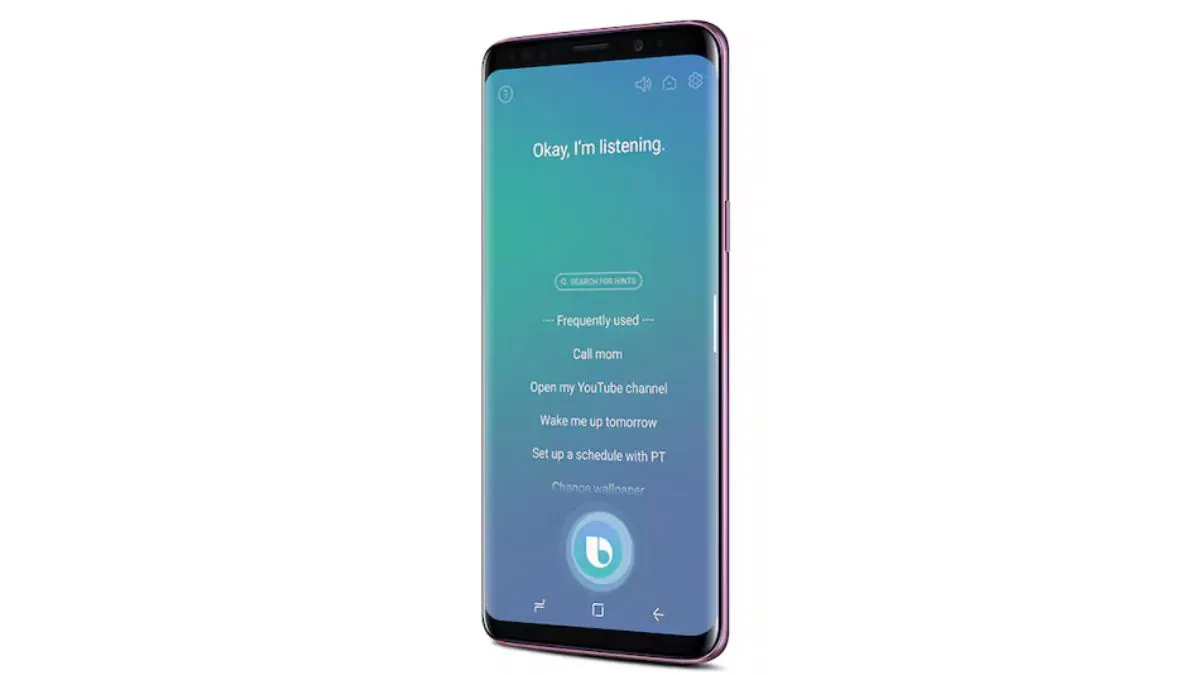

Bixby, Samsung’s native virtual voice assistant, is apparently getting an upgrade to generative artificial intelligence. According to the report, Bixby will leverage the South Korean tech giant’s proprietary Large-Scale Language Model (LLM) and bring new capabilities and features. However, these features were not publicly available. Earlier this week, the company held its second Galaxy Unpacked event of the year, where it announced several new Galaxy AI features for the Galaxy Z Fold 6, Galaxy Z Flip 6 and Galaxy Buds 3.
Bixby is reportedly moving to artificial intelligence
“We will use Gen AI technology to further develop Bixby,” TM Roh, president and head of mobile experience business at Samsung Electronics, told CNBC about the development. He also added that the new Bixby is expected to launch later this year. This is a significant improvement to the virtual voice assistant features first introduced in the Galaxy S8 series in 2017.
Compared to competing voice assistants like Google Assistant and Siri, Bixby offers several unique features. Bixby Home, for example, constantly updates your home screen based on your actions and can display weather information, reminders, news articles, and more. Bixby Vision, on the other hand, allows users to scan objects using their device’s camera. Bixby will detect it and provide information about it.
While these features make Bixby unique, Samsung’s voice assistant suffers from the same problems as other existing assistants: it doesn’t understand context-sensitive commands and is unable to perform complex tasks. These can be improved by integrating artificial intelligence. Specifically, President Roh apparently hinted at the development of artificial intelligence in his company, but did not clarify whether Galaxy AI would be used for this task.
The timing of the announcement is also interesting. Last month, Apple unveiled a range of artificial intelligence features under the Apple Intelligence umbrella. These AI functions will be integrated into existing apps. Siri took center stage with several new features, including an emotional and conversational tone, the ability to perform tasks in third-party apps, and even use ChatGPT to find answers to more complex questions.

Bhupendra Singh Chundawat is a seasoned technology journalist with over 22 years of experience in the media industry. He specializes in covering the global technology landscape, with a deep focus on manufacturing trends and the geopolitical impact on tech companies. Currently serving as the Editor at Udaipur Kiran, his insights are shaped by decades of hands-on reporting and editorial leadership in the fast-evolving world of technology.