

NASA Unveils Plan for Mars Sample Return Initiative
NASA announced a fresh initiative to return samples from Mars, aiming for a strategy by 2028. Chinese efforts also advance.

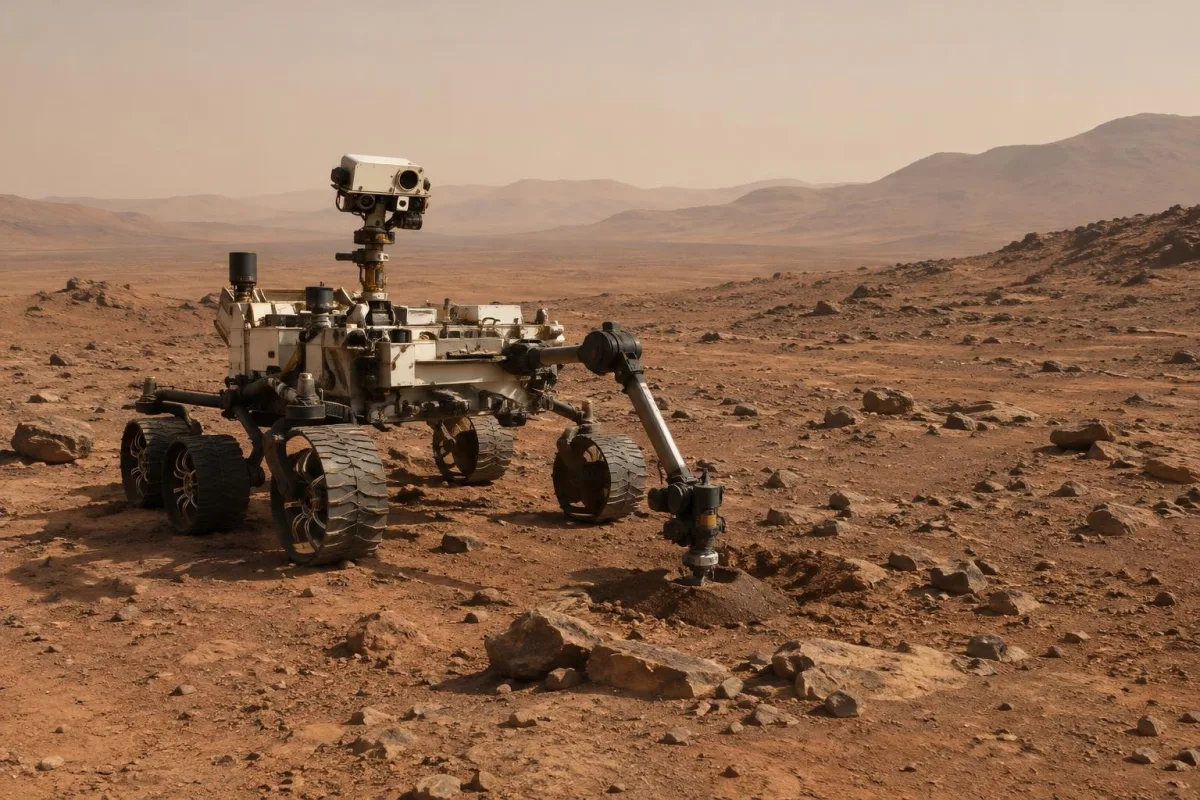
NEW DELHI, Nov 12: NASA has initiated the Perseverance Sample Retrieval Architecture (PSRA) to develop a strategy for bringing Martian samples back to Earth. Announced by Tiffany Morgan, director of the NASA Mars Exploration Program, this new push was discussed on November 9 during a virtual meeting of the Mars Exploration Program Analysis Group (MEPAG).
The PSRA team will craft unbiased recommendations regarding the return of samples collected by the Perseverance rover. It will evaluate mission requirements, consider previous experiences, and analyze technical capabilities and procurement options. Work on this initiative is set to begin in January 2027, with a final report expected in winter 2027-2028.
Currently, the Perseverance rover has been collecting samples within Jezero Crater since landing in February 2021. It seals some samples in tubes for storage on the surface and inside the rover, potentially containing clues about past life on Mars.
NASA’s Mars Sample Return program has faced financial scrutiny over the years, with earlier estimates suggesting a budget of about $11 billion and a timeline pushing sample returns to 2040. This option was deemed too costly. A subsequent assessment indicated samples could return as early as 2035 for an estimated cost of $8 billion.
The importance of returning these samples extends beyond scientific research. Bruce Jakosky from the University of Colorado Boulder emphasized that analyzing Martian samples could help identify hazardous substances, such as chemicals in the soil that could pose risks to astronauts during future crewed missions.
Meanwhile, China is advancing its own Mars sample return efforts with the Tianwen-3 mission, expected to launch in 2028. According to the China National Space Administration, this mission aims to collect around 500 grams of Martian samples, returning them to Earth by 2031.