

Turkey’s COP31 draft lacks fossil fuel phase-out, raising concerns
Turkey's new draft at COP31 does not address fossil fuel phasing out, which has drawn criticism and raised concerns about the negotiations' progress.

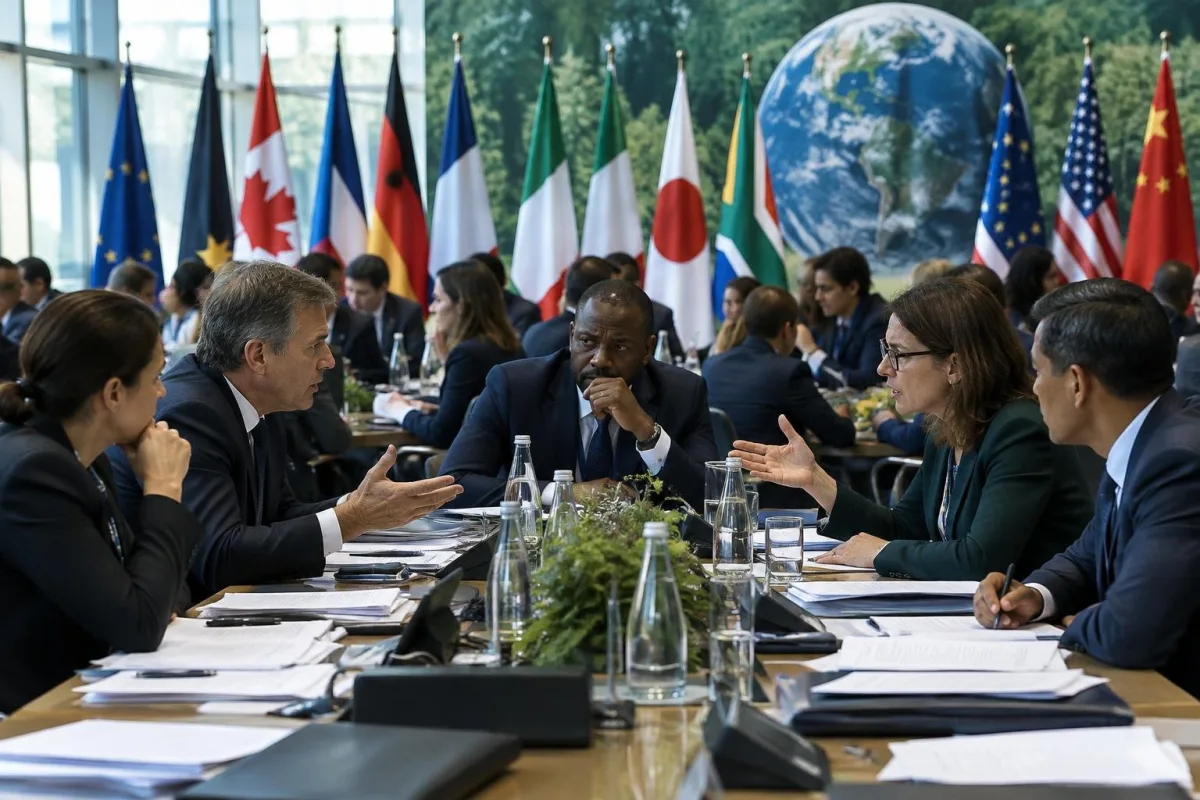
ANTALYA, Nov 22: Turkey’s new draft agreement at the COP31 summit fails to mention a transition away from fossil fuels, a key point of contention among participating nations. This omission reflects ongoing struggles to finalize a global climate deal in Antalya, where discussions have moved beyond the original deadline.
The draft, revealed early Sunday, acknowledges a previously agreed commitment to phase out fossil fuels, yet does not explicitly state such a transition. This has prompted criticism from the European Union and Pacific nations, which argue that excluding fossil fuel references is unacceptable. EU Commissioner for Climate Wopke Hoekstra stated, “If the bloc could not get what is needed in terms of climate action… then there’s no deal.”
Turkey’s Environment Minister and COP31 President Murat Kurum expressed hope for a breakthrough, but many delegates remain skeptical. The new draft has shifted focus, referencing a consensus reached three years ago in Dubai, which had called for moving away from fossil fuels. However, this wording is seen as merely an acknowledgment without concrete commitments.
Countries like Tuvalu emphasized the necessity of including fossil fuel language as a critical issue. Climate Minister Maina Talia called it a “red line” and stressed that without addressing the root causes of climate change, discussions are futile. As negotiations continue, some delegates are rescheduling flights, raising concerns about the potential collapse of talks if enough representatives leave.
Disagreements persist over financial commitments for developing nations, which seek greater funding to adapt to climate impacts. Earlier drafts proposed increasing adaptation funding to $120 billion by 2035, but this figure was excluded in the latest version. Ghana’s Environment Minister Zanetor Agyeman Rawlings articulated the frustration of developing nations by stating, “We did not come here to beg, we came here to claim what is rightfully ours.”
As talks stall, climate advocates have criticized the negotiations, with Mohamed Adow from Powershift Africa calling this the “worst COP ever.” Observers note that tensions between fossil fuel-dependent nations and those advocating for stronger climate action could define the outcome of these talks. Potential next steps include forcing Saudi Arabia and its allies to publicly clarify their positions, which could risk the continuity of the negotiations.