

Kagan and Soai Win Nobel Prize in Chemistry for Chirality Discoveries
Kagan and Soai receive Nobel Prize in Chemistry for discoveries on molecular chirality, impacting drug development and understanding life's molecular origins.

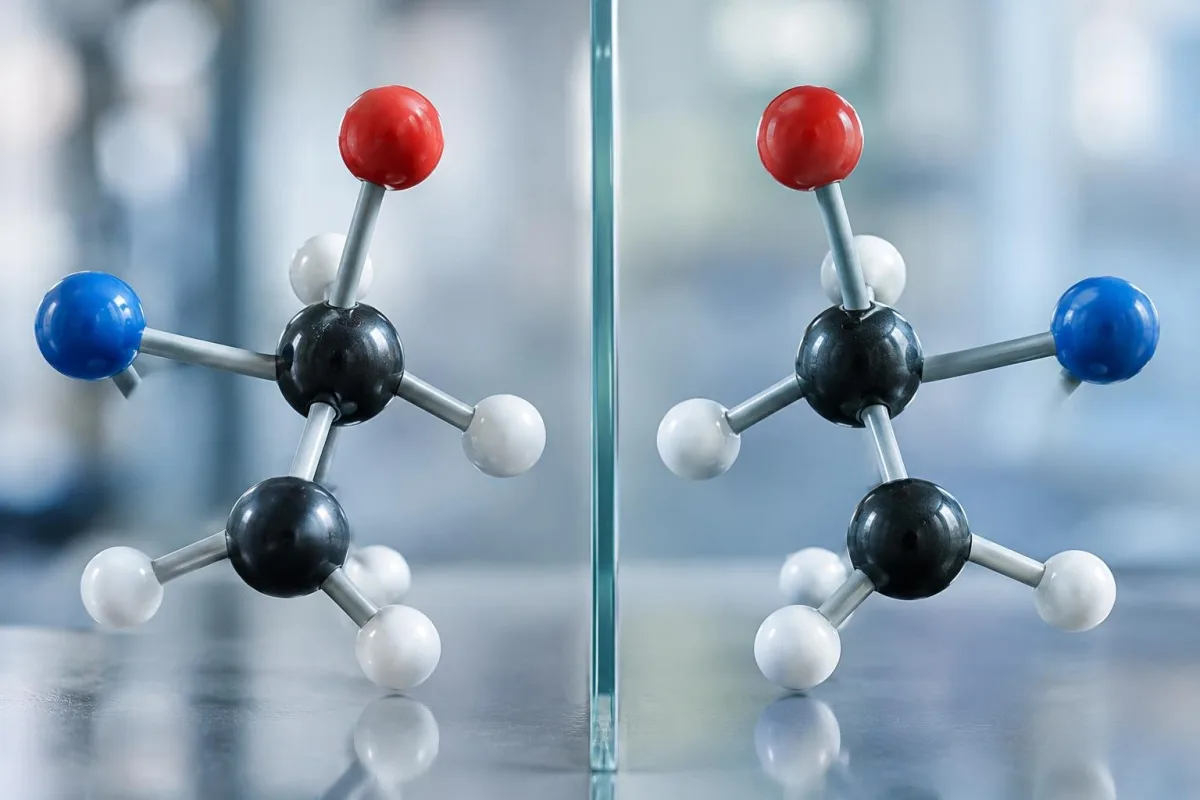
The 2026 Nobel Prize in Chemistry was awarded to Henri B. Kagan and Kenso Soai for their groundbreaking work on molecular chirality on Oct. 7. This year’s prize recognizes their contributions to understanding asymmetric organic synthesis and its implications for safer pharmaceutical development.
Kagan, from Université Paris-Saclay, and Soai, from Tokyo University of Science, were acknowledged for their studies on non-linear effects and autocatalysis in chemical reactions. Their research focuses on how slight variations in molecular structures can lead to significant differences in chemical behavior, particularly in producing a preferred enantiomer, or mirror-image form, of a molecule.
In an interview, Ryan Braga, a chemistry graduate student, noted that Kagan’s work demonstrated how different proportions of mirror-image catalysts could greatly influence the final product’s composition. This method of exploiting enantiomeric excess has become essential in the synthesis of pharmaceuticals, ensuring that only the desired form of a drug is produced. “They uncovered how to amplify reactions to favor a ‘one-handed’ version of a molecule,” he stated.
Soai’s contributions include the discovery of asymmetric autocatalysis, a reaction where the product accelerates its own formation. This advancement allows for the selective production of a particular enantiomer, which is crucial for developing medications with fewer side effects. Soai commented on the recognition, saying, “Our prize this year should make people recognize the importance of the chirality of molecules.”
The Nobel Committee noted the practical applications of this research, pointing to historical drug mishaps such as thalidomide, where the unintended enantiomer caused serious birth defects. Kagan and Soai’s work aids in creating safer medications by ensuring that only the effective enantiomer is used.
Chirality plays a fundamental role in life, as many biological molecules exist only in one of their two forms. For example, amino acids and sugars are found predominantly in left-handed and right-handed forms, respectively. This phenomenon of biological preference is known as homochirality.
Both Kagan and Soai will share the 12 million Swedish kronor prize, equal to about 1.2 million U.S. dollars, recognizing their contributions to chemistry and its applications in life sciences.
Sources

Bhupendra Singh Chundawat is a seasoned technology journalist with over 22 years of experience in the media industry. He specializes in covering the global technology landscape, with a deep focus on manufacturing trends and the geopolitical impact on tech companies. Currently serving as the Editor at Udaipur Kiran, his insights are shaped by decades of hands-on reporting and editorial leadership in the fast-evolving world of technology.