

Israeli President Urges Parties to Negotiate to Prevent New Elections
Israeli President Isaac Herzog urged political parties to negotiate with an 'open heart' to avoid fresh elections following inconclusive election results.

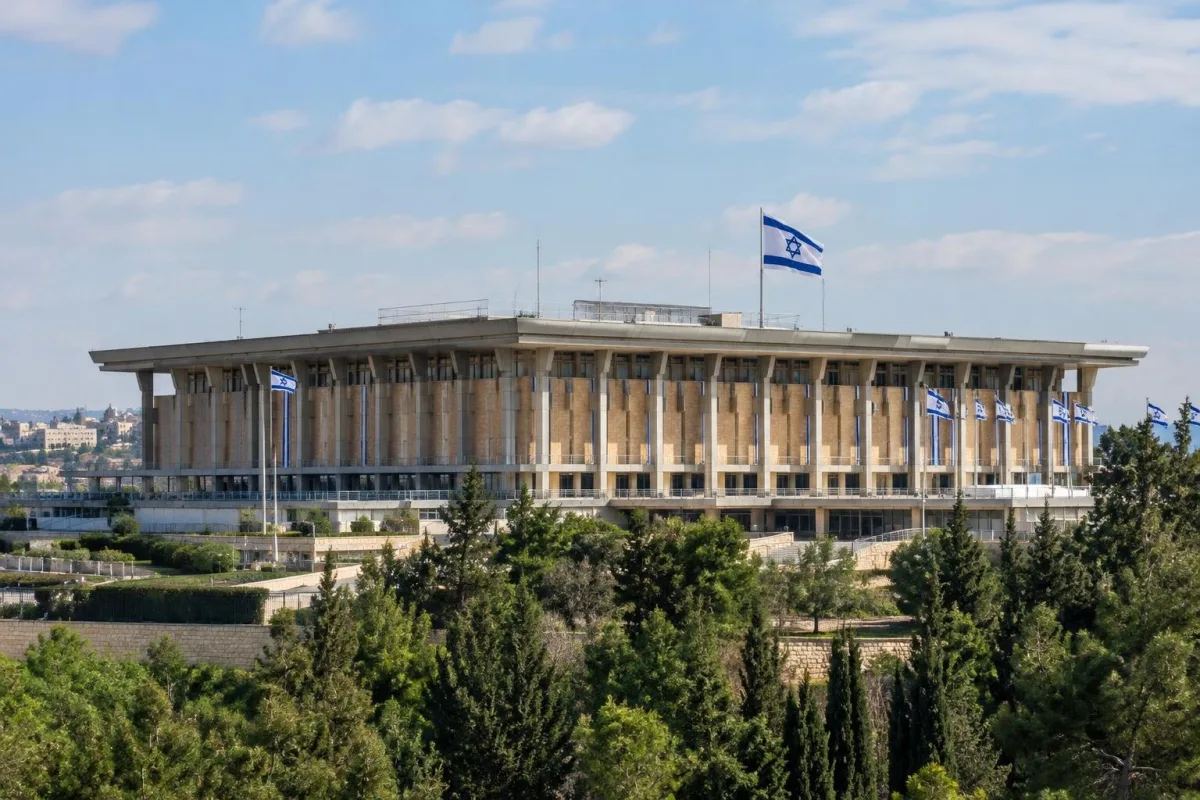
NEW DELHI, Nov 2: Israeli President Isaac Herzog has called on the country’s political factions to approach government formation talks with an ‘open heart’ amid a fragmented election outcome. Following the recent elections, Prime Minister Benjamin Netanyahu’s coalition secured 53 seats in the Knesset, while his main rival, Gadi Eisenkot, led a bloc with 48 seats. Neither group achieved the 61 seats necessary for a majority.
The balance of power now rests with the Arab parties, which gained 19 seats, effectively doubling their representation. However, both Netanyahu and Eisenkot have previously ruled out partnerships with these parties. Netanyahu, who leads the largest party, continues to challenge the Arab factions, alleging they received foreign assistance to ‘steal’ the elections, a claim for which he has not provided evidence.
Herzog emphasized the need for unity among party leaders, stating, ‘I hope the representatives will come with an open mind, and today I add: with an open heart.’ He aims to encourage dialogue and collaboration to prevent another election cycle. Initial consultations with various parties are set to begin on Wednesday, which could lead to weeks of negotiations.
Eisenkot has proposed four conditions for potential allies: recognizing Israel as a Jewish state, committing to the values of its independence, accepting mandatory military service, and denouncing Hamas as a terrorist organization. He indicated that any Knesset member who agrees to these principles could be a partner in forming a new government.
The political situation is complicated, with many parties reluctant to make concessions. Herzog is expected to officially present the election results by November 4 and select a candidate to attempt forming a government by November 11. This candidate will have up to 42 days to establish a coalition, with the option for extensions.
However, experts like Fawaz Gerges from the London School of Economics have expressed skepticism about Eisenkot’s chances, suggesting that his requirements may alienate the Arab parties. Meanwhile, former Prime Minister Ehud Barak has suggested that changes could occur, noting that strategies often shift post-election.
If Herzog’s appointed candidate fails to secure a coalition, the Knesset could be dissolved, leading to new elections.
Sources

My name is Kuldeep Singh Chundawat. I am an experienced content writer with several years of expertise in the field. Currently, I contribute to Daily Kiran, creating engaging and informative content across a variety of categories including technology, health, travel, education, and automobiles. My goal is to deliver accurate, insightful, and captivating information through my words to help readers stay informed and empowered.