

Indian Oil to Acquire Ships as Freight Costs Rise Amid Iran-US Tensions
Indian Oil Corporation plans to purchase its own crude oil carriers as freight costs rise significantly amid escalating Iran-US tensions.

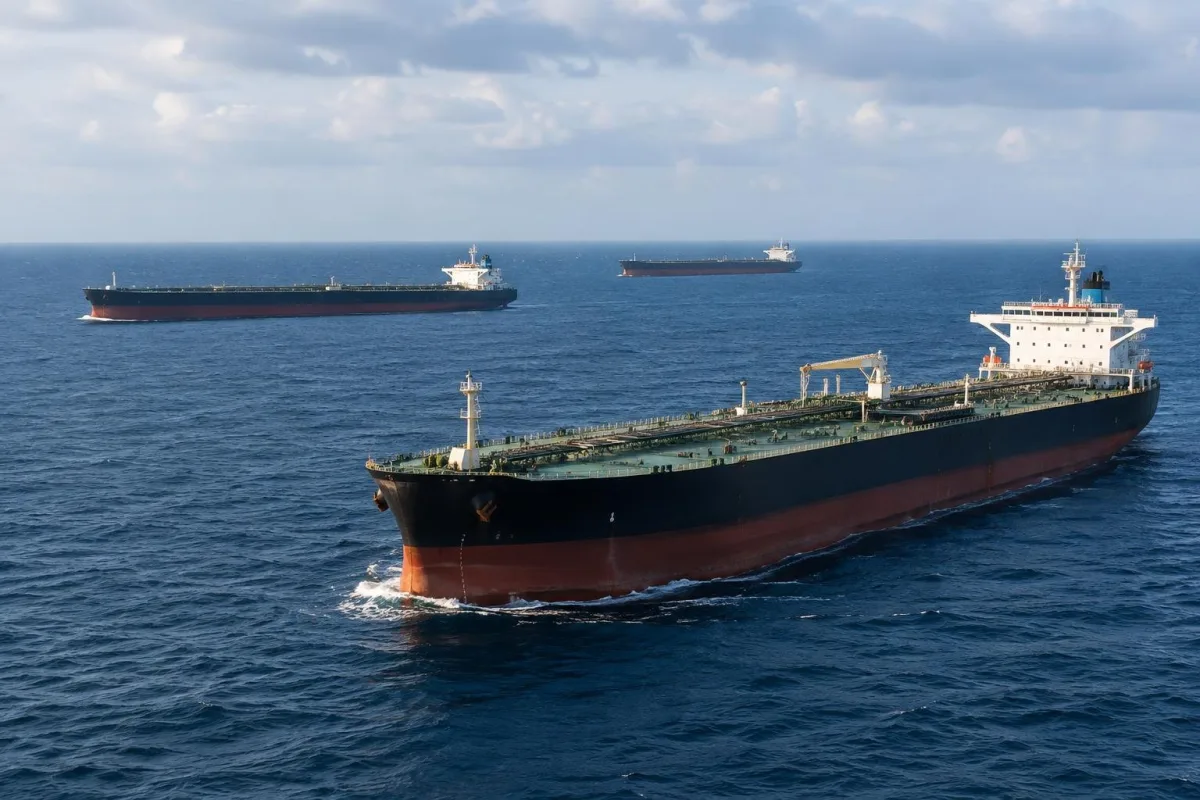
KOLKATA, Nov 8: Indian Oil Corporation (IOC) plans to buy crude oil and liquefied petroleum gas carriers to enhance control over its supply chain as crude freight costs have surged to nearly $10 a barrel, significantly influenced by escalating tensions between the US and Iran.
The company’s board has approved the acquisition of several vessels, according to Director of Finance Anuj Jain, who noted that tenders had been issued months prior. Jain emphasized, “The country needs oil sector companies to focus more on the shipping area now.”
As geopolitical tensions disrupt shipping routes such as the Strait of Hormuz, IOC is shifting its shipping strategy from mainly time-charter and voyage-chartered vessels to potentially owning ships and supporting domestic shipbuilding under the Make in India initiative.
IOC currently has three crude oil vessels and nine LPG vessels on time charter, benefiting from lower costs compared to spot-market rates. Jain indicated that IOC’s time-chartered crude carriers cost around USD 2-2.50 per barrel, contrasting sharply with the rising spot-market prices, which have seen freight rates for LPG surge from around USD 40 per tonne to USD 160-180 per tonne.
This development is part of IOC’s broader strategy to diversify crude procurement, aiming to reduce its exposure to supply disruptions. During the first half of the current financial year, IOC sourced 55% of its crude from Russia, 24% from the Middle East, 10% from Africa, and smaller amounts from Brazil, the United States, and Venezuela. Spot purchases now account for approximately 87% of its crude sourcing, a significant increase from around 50% in the previous year.
As global crude prices remain volatile, IOC reported a net profit of Rs 21,630 crore for the September quarter, rebounding from a loss of Rs 2,661 crore in the previous quarter. This recovery was aided by inventory gains and improved operational performance.
Jain cautioned that geopolitical developments continue to pose uncertainties, particularly regarding crude procurement and freight costs. The planned ship acquisitions and increased domestic shipbuilding are indicative of an industry-wide effort to enhance logistics resilience in light of India’s substantial dependence on imported crude.
Sources

Bhupendra Singh Chundawat is a seasoned technology journalist with over 22 years of experience in the media industry. He specializes in covering the global technology landscape, with a deep focus on manufacturing trends and the geopolitical impact on tech companies. Currently serving as the Editor at Udaipur Kiran, his insights are shaped by decades of hands-on reporting and editorial leadership in the fast-evolving world of technology.