India Bans All Imports from Pakistan Amid Rising Tensions; PM Modi Calls Terrorism “Greatest Threat to Humanity”
Ordnance Factories Cancel Leaves, Ceasefire Violations Escalate Along LoC as Government Issues National Security Measures
NEW DELHI, May 4, 2025 — In a decisive move amidst escalating regional tensions, the Government of India on Saturday banned all imports from Pakistan, both direct and indirect, citing national security concerns. The announcement comes as border hostilities intensify and follows a string of ceasefire violations by Pakistani forces along the Line of Control (LoC), including Kupwara, Uri, and Akhnoor sectors.
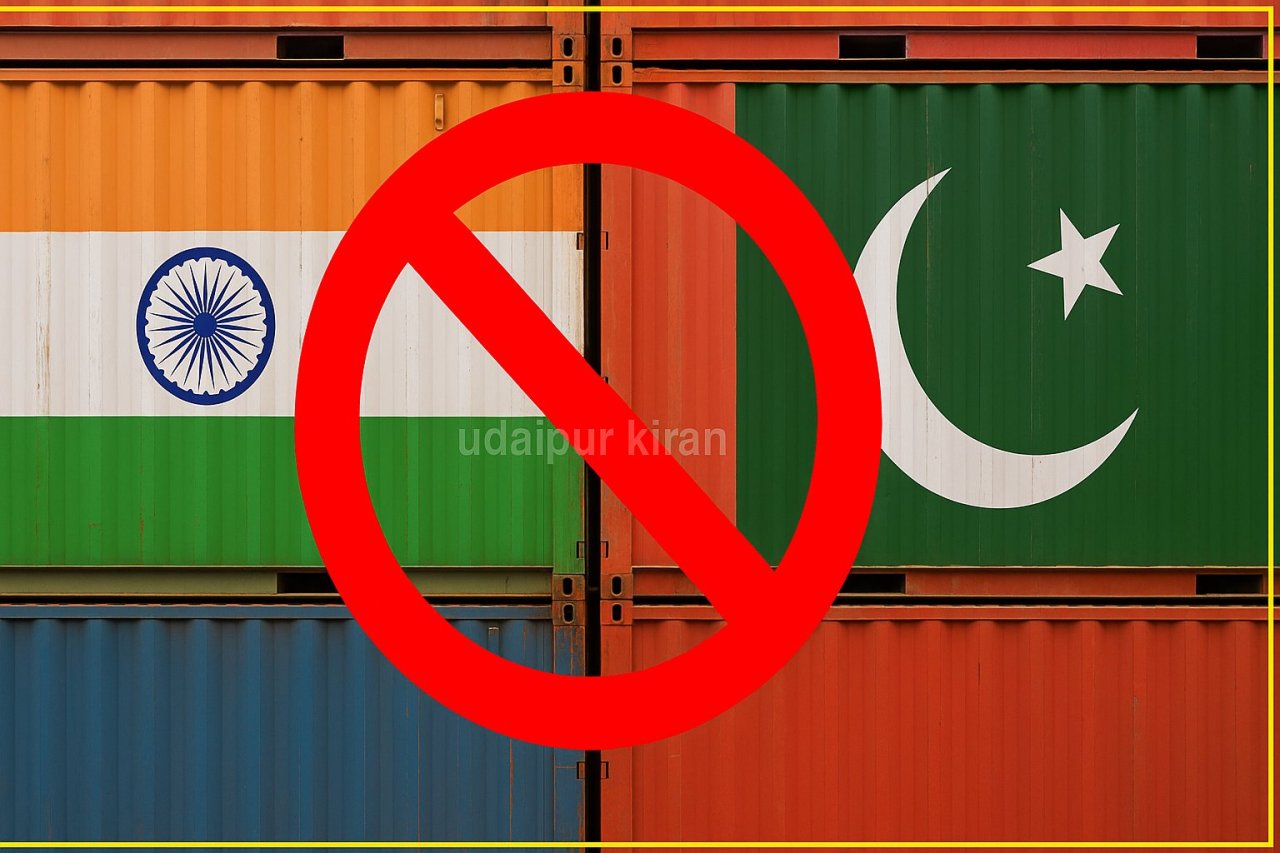

The official notification, issued by the Ministry of Commerce, states that the import ban takes immediate effect, and exemptions will only be granted with explicit government approval. The ban applies to goods routed through third countries, effectively sealing all trade pathways from Pakistan to India.
Ordnance Factory Leaves Cancelled in Jabalpur and Chandrapur
In parallel with the import ban, leaves of employees at the Jabalpur and Chandrapur Ordnance Factories have been cancelled. Management at both facilities instructed employees to report to duty as planned, stating that continued operations are critical in the interest of national defense.
“These are difficult times. National security cannot afford interruptions,” read an internal memo issued to factory personnel.
PM Modi: “Terrorism Is the Greatest Threat to Humanity”
Speaking from Delhi’s Hyderabad House during a bilateral meeting with Angola’s President João Lourenço, Prime Minister Narendra Modi delivered a stern message on terrorism, stating,
“Terrorism is the greatest threat to humanity. India will continue to take firm action against terrorism and those who support it.”
While PM Modi did not reference Pakistan directly, his remarks come at a time when Indian forces are responding to nine consecutive days of ceasefire violations from across the LoC.
Political and Diplomatic Fallout Intensifies
As diplomatic tensions rise:
-
BJP leader Altaf Thakur accused Pakistan of provoking India in an attempt to shift global attention away from the recent terrorist attack in Pahalgam, which is under investigation. He stated that Pakistan is using local operatives and overground workers to further instability.
-
In Dhaka, the Bangladeshi government distanced itself from controversial remarks made by retired Major General Fazlur Rahman, who had suggested that Bangladesh should align with China and target India’s northeastern states if India attacks Pakistan. Dhaka officially clarified that Rahman’s views do not reflect government policy.
Context: Import Ban Marks Shift in Policy
This ban is India’s toughest economic measure against Pakistan since 2019, when trade was downgraded following the Pulwama attack. While formal bilateral trade had already been minimal, informal and third-party trade continued via the UAE and other neighboring countries.
Saturday’s move effectively closes all remaining commercial loopholes, signaling that India is willing to escalate both economic and military responses amid rising threats from across the border.
What Happens Next?
-
Border vigilance is being increased across northern sectors.
-
Defense manufacturing and supply chains are being streamlined.
-
Diplomatic channels are bracing for further fallout, especially from global allies of both nations.
India’s response, combining economic isolation with intensified military preparedness, marks a firm stance on national sovereignty and counter-terrorism, observers say.

Bhupendra Singh Chundawat is a seasoned technology journalist with over 22 years of experience in the media industry. He specializes in covering the global technology landscape, with a deep focus on manufacturing trends and the geopolitical impact on tech companies. Currently serving as the Editor at Udaipur Kiran, his insights are shaped by decades of hands-on reporting and editorial leadership in the fast-evolving world of technology.