

In a fresh digital crackdown, the Indian government has ordered the removal of 119 Chinese apps from the Google Play Store, citing national security risks and data sovereignty concerns. Many of these apps, primarily video and voice chat platforms, were found to be associated with developers from China and Hong Kong and were available for download in India’s Play Store.
This move marks another significant step in India’s ongoing digital strike against Chinese-linked applications, following previous bans in 2020, 2021, and 2022 targeting apps deemed to pose security threats.
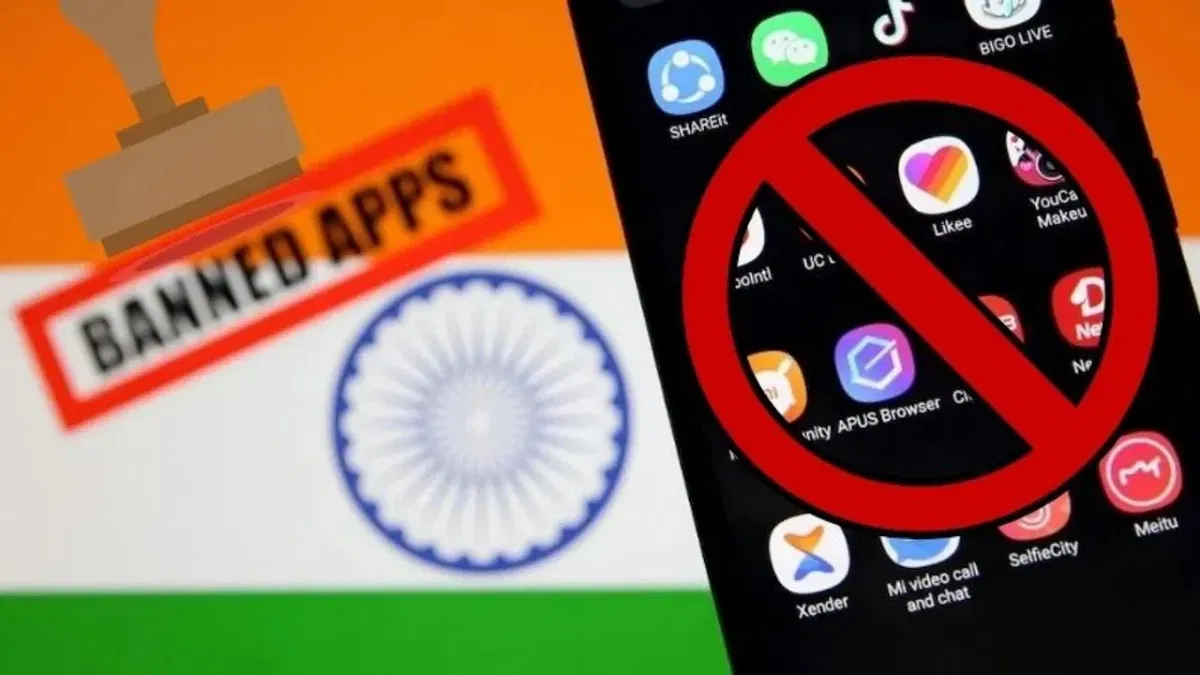

India’s Continued Digital Strike on Chinese Apps
The latest ban follows concerns raised in a recent security report regarding the potential risks posed by these applications. This decision aligns with India’s past efforts to curb foreign digital influence, notably the June 2020 ban on over 100 Chinese apps, including popular platforms like TikTok and Shareit.
According to MoneyControl, the list of banned apps is cataloged in the Lumen database, which is managed by Harvard University in the United States. The government has invoked Section 69A of the IT Act to restrict public access to these apps, reinforcing its stance on digital sovereignty and cybersecurity.
Interestingly, while these apps are primarily linked to Chinese developers, some have been created by companies from Singapore, the US, the UK, and Australia. Despite the enforcement, only 15 out of the 119 banned apps have been removed from the Play Store so far, with others still accessible at the time of reporting.
Which Apps Have Been Banned?
Among the 119 apps targeted in the ban, three have been specifically named:
✔ ChillChat – A video chat and gaming platform developed by Mangostore (Singapore), boasting over 1 million downloads.
✔ ChangApp – A widely used Chinese application with millions of downloads.
✔ HoneyCam – A photo filter and editing app developed by an Australian company.
While several apps remain accessible, the Indian government’s directive signals a continued push to tighten control over digital platforms with potential data security vulnerabilities.
The Bigger Picture: India’s Stance on Digital Security
This latest move underscores India’s firm stance on cybersecurity, as the government continues to monitor, regulate, and restrict foreign applications that could pose data security threats. The ban on Chinese apps, which began in 2020, has now expanded multiple times, reinforcing India’s strategic focus on digital self-reliance and data privacy protection.
With the ever-growing concerns around foreign data access, it remains to be seen how India will continue its efforts to secure its digital ecosystem. The latest restrictions highlight a larger shift towards safeguarding national interests in the digital space—a trend that is likely to continue in the years ahead. 🚀📵

Bhupendra Singh Chundawat is a seasoned technology journalist with over 22 years of experience in the media industry. He specializes in covering the global technology landscape, with a deep focus on manufacturing trends and the geopolitical impact on tech companies. Currently serving as the Editor at Udaipur Kiran, his insights are shaped by decades of hands-on reporting and editorial leadership in the fast-evolving world of technology.