

G7 Ministers to Discuss Emergency Oil Reserves Amid Rising Prices
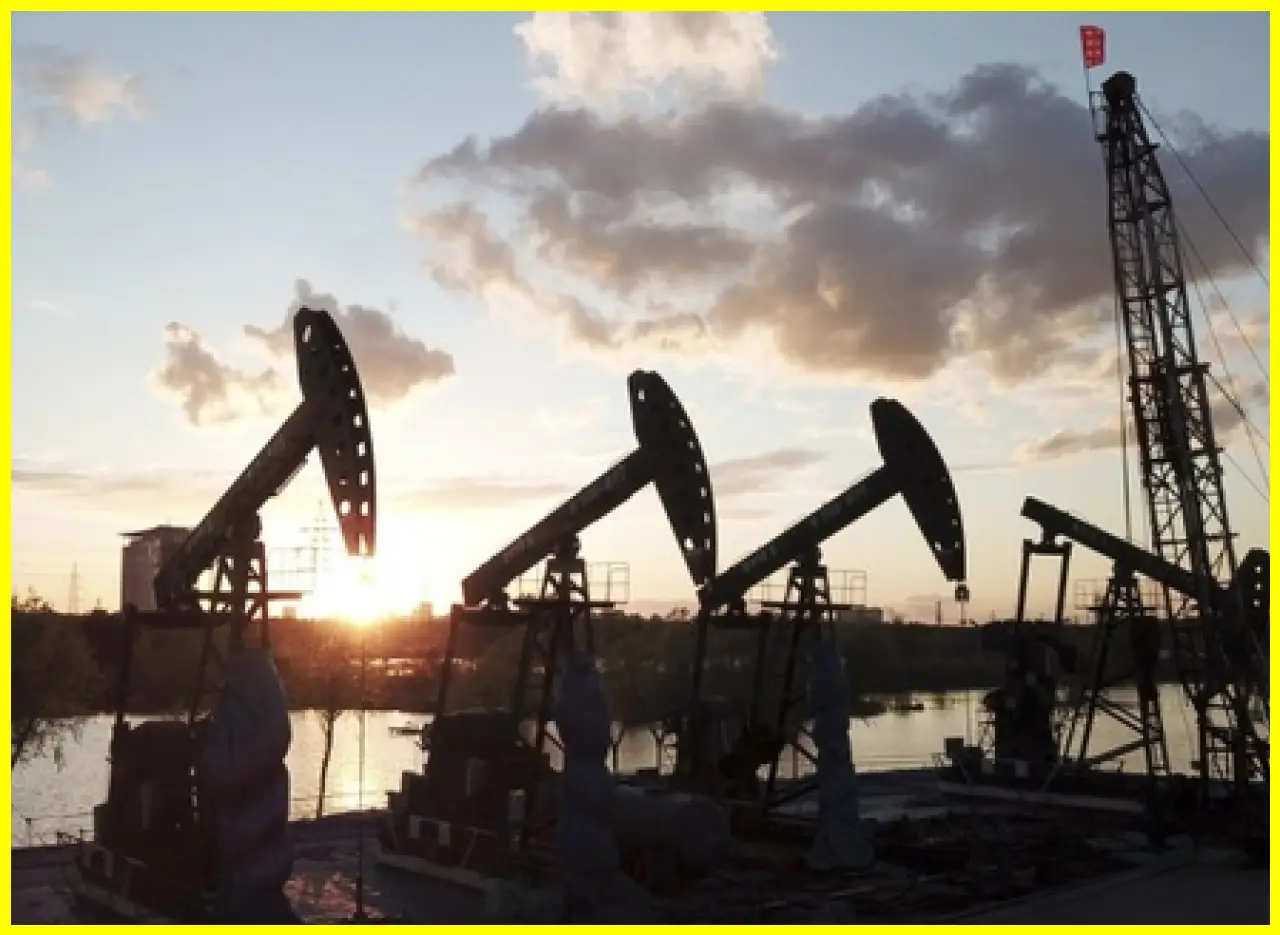

New Delhi, March 9: G7 finance ministers will convene on Monday to discuss the coordinated release of emergency petroleum reserves in response to rising oil prices following conflicts in the Gulf region, according to a report.
The report indicates that the finance ministers are expected to engage in urgent discussions during the meeting, which will also include Fatih Birol, the Executive Director of the International Energy Agency (IEA).
The primary focus of the meeting will be the impact of the Iran-related conflict on the global energy market. So far, three G7 countries, including the United States, have supported the proposal to release oil from strategic reserves.
Some U.S. policymakers believe that a coordinated release of approximately 300–400 million barrels may be appropriate. According to the Financial Times, this volume would represent about 25–30 percent of the current 1.2 billion barrels held in strategic reserves by IEA member countries.
Emergency petroleum reserves were established in 1974 following the formation of the IEA, due to a global fuel shortage and soaring prices caused by the Arab oil embargo.
Member countries of the IEA are required to maintain these strategic reserves to collectively respond to significant disruptions in oil supply. Since the establishment of the IEA, member countries have coordinated the release of emergency oil reserves five times, with the most recent action occurring in 2022 due to rising energy prices following Russia’s invasion of Ukraine.
Ahead of Monday’s meeting, the IEA also held emergency discussions last week to address the supply crisis. The preparatory document for the meeting stated that the IEA is “ready to take action to maintain stability in the oil market.”

Bhupendra Singh Chundawat is a seasoned technology journalist with over 22 years of experience in the media industry. He specializes in covering the global technology landscape, with a deep focus on manufacturing trends and the geopolitical impact on tech companies. Currently serving as the Editor at Udaipur Kiran, his insights are shaped by decades of hands-on reporting and editorial leadership in the fast-evolving world of technology.