

DR Congo’s Ebola Outbreak Surpasses 11,000 Cases and 5,387 Deaths
The Democratic Republic of Congo has reported over 11,000 Ebola cases and 5,387 deaths, marking the largest outbreak in the country's history.

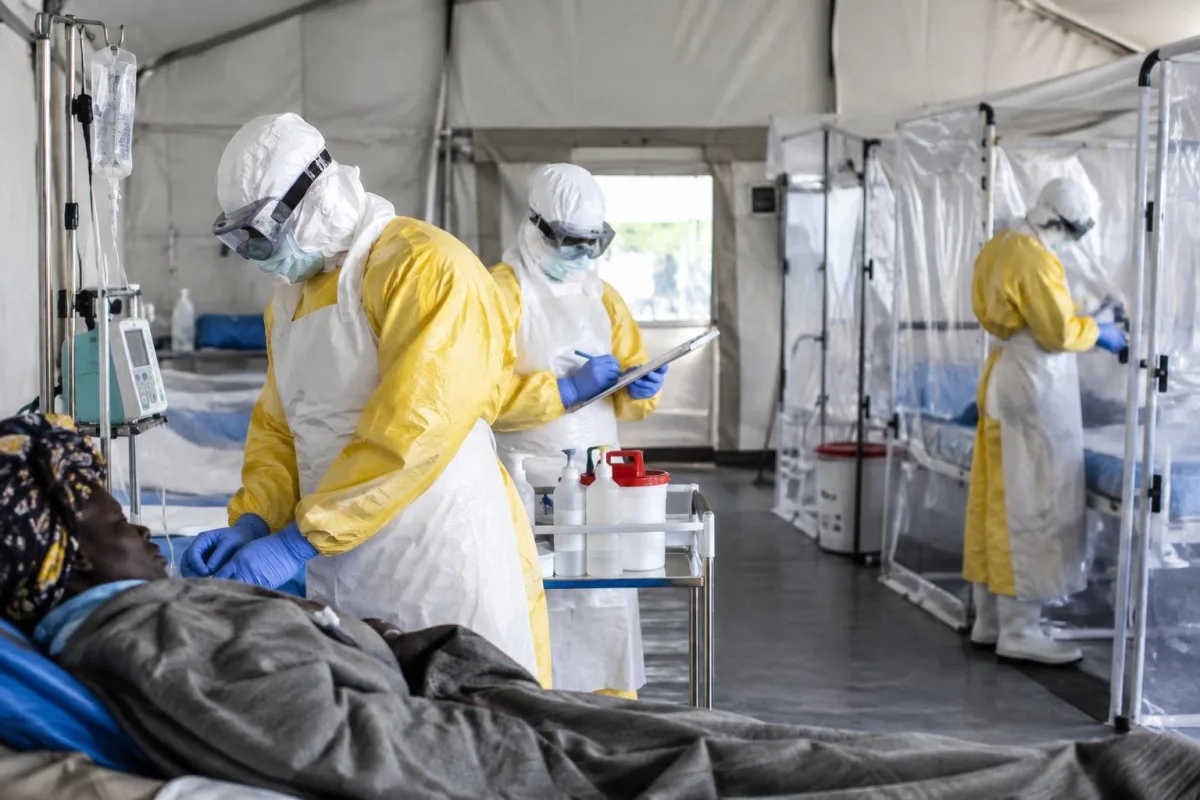
NEW DELHI, Nov 12: The Democratic Republic of Congo has reported over 11,000 confirmed cases of Ebola, with the death toll reaching at least 5,387. These figures, released by the National Institute of Public Health, highlight the severity of the current outbreak, driven by the rare Bundibugyo strain of the virus.
Declared in May 2026, the outbreak is the largest and deadliest in the country’s history. It has now surpassed previous records, making it the second-largest outbreak on record, following the devastating 2014-2016 West African epidemic. Health authorities report that the infection rate has surged due to delayed detection, ongoing conflict, and strained healthcare services.
As of early November, nearly 3,000 people have recovered from the virus, which causes severe hemorrhagic fever and is transmitted through contact with infected bodily fluids. The lack of approved vaccines or treatments specifically for the Bundibugyo strain has complicated containment efforts. The World Health Organization recently announced plans to conduct clinical trials for two new Ebola vaccines, with results expected in early 2027.
The outbreak has affected eight of the DRC’s 26 provinces, with most cases concentrated in Ituri and North Kivu. Local instability poses a significant challenge, as armed conflicts frequently disrupt health services. Reports indicate that a health center treating Ebola patients was attacked and set on fire on November 10.
Dr. Andrew Mbala from the International Organization for Migration emphasized the importance of expanding surveillance beyond formal borders. He noted that 71 confirmed cases have been detected along informal transit routes, signaling the need for comprehensive tracking in regions with high mobility.
More than 55 million screenings have been conducted across the DRC and neighboring countries since the outbreak began. The IOM indicates that funding remains a critical issue, needing $110 million for ongoing operations through March 2027, of which they are nearly $60 million short.
As the outbreak continues to unfold, the healthcare system faces the dual challenge of addressing immediate medical needs while combating underlying issues exacerbated by armed conflict and limited resources.