Discovery Links Body’s Warmth Sensor to Chronic Pain Mechanism
Scientists at the University of Warwick found that a warmth sensor in nerve endings also triggers chronic pain signals, suggesting new treatment possibilities.
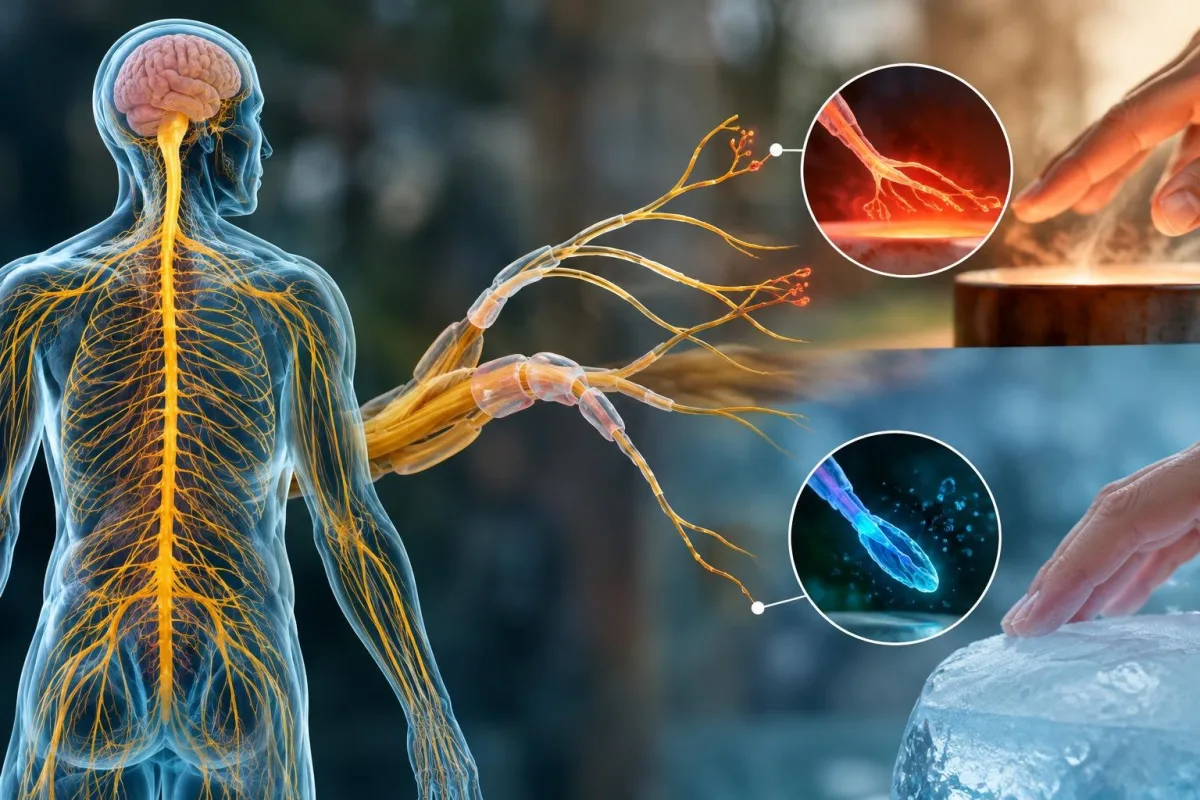

COVENTRY, Oct 26: Researchers at the University of Warwick identified a nerve sensor that detects warmth, called TRPM2, which also activates chronic pain signals. This discovery could lead to more effective treatments for conditions like arthritis, which affects over a third of UK adults.
The research team, led by Dr. Xuming Zhang, found that TRPM2, while primarily known as a warmth sensor, also functions as a pain switch. They discovered that immune and inflammatory chemicals, specifically prostaglandin E2 and autoantibodies, interact with TRPM2, converting these signals into pain sensations.
In experiments with mouse models, removing TRPM2 from nerve cells entirely prevented pain responses caused by inflammation. Mice treated with a drug that blocked TRPM2 experienced significant relief from chronic arthritis pain for up to two days after a single dose, without affecting the underlying inflammation.
Dr. Zhang noted, “What surprised us most was how completely and how long TRPM2 blockade relieved chronic arthritis pain.” This suggests that targeting TRPM2 could provide a novel approach to pain management, potentially outpacing existing pain relief options that often leave patients vulnerable to infection.
The researchers are now exploring how a protein designed to sense harmless warmth can also contribute to persistent pain. They hypothesize that different types of TRPM2-carrying nerve cells may be responsible for these distinct functions, shedding light on this biological puzzle.

Bhupendra Singh Chundawat is a seasoned technology journalist with over 22 years of experience in the media industry. He specializes in covering the global technology landscape, with a deep focus on manufacturing trends and the geopolitical impact on tech companies. Currently serving as the Editor at Udaipur Kiran, his insights are shaped by decades of hands-on reporting and editorial leadership in the fast-evolving world of technology.