

Breast Cancer Treatment’s Impact on Women’s Fertility
Breast cancer treatments can affect women's fertility, but options for preserving motherhood remain, experts say.

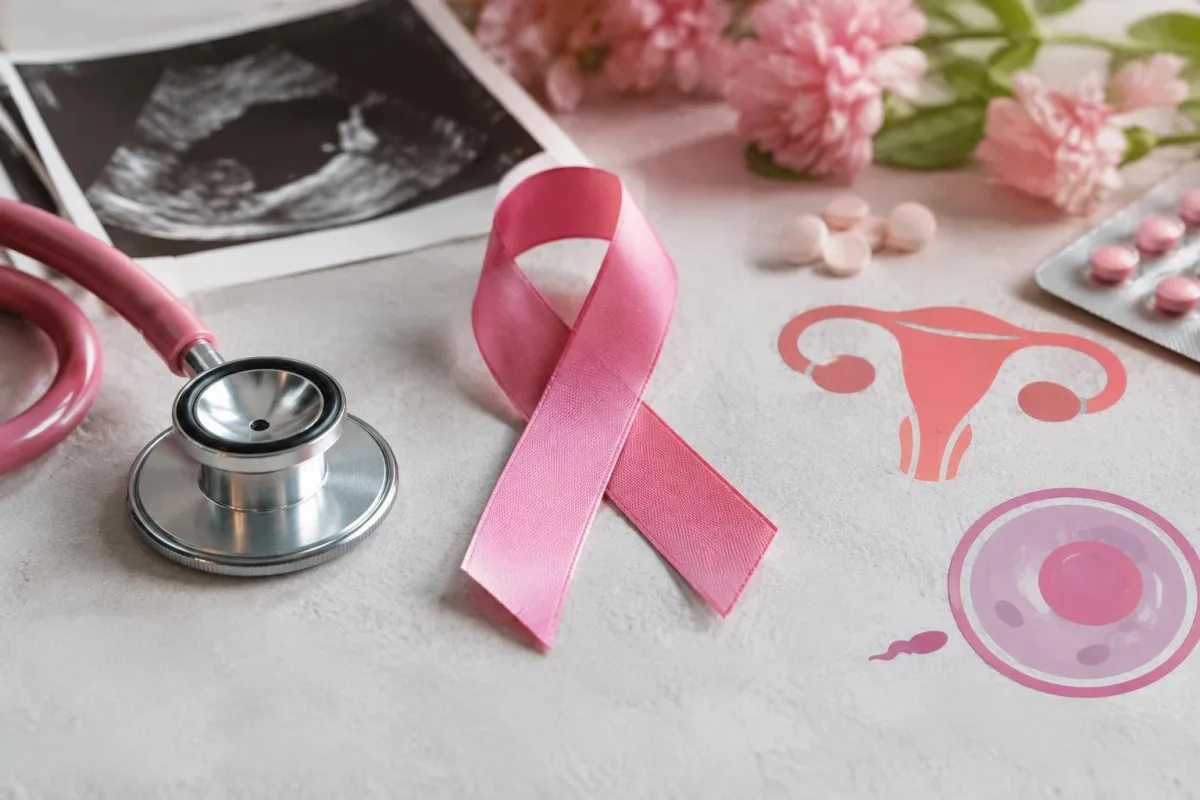
BHUBANESWAR, Nov 10: The impact of breast cancer treatments on women’s fertility has become a pressing issue, particularly for younger women diagnosed at a reproductive age. As cancer treatments save lives, they can also pose challenges for future motherhood.
Dr. Pragati Singhal, a breast oncologist, noted that treatments like chemotherapy can damage ovaries, resulting in reduced egg quantity and quality. This might lead to infertility, either temporarily or permanently, depending on factors like the woman’s age and the specific drugs used. Hormonal therapies, commonly prescribed for hormone-sensitive cancers, may also impact reproductive planning.
In India, many women are diagnosed in their 20s and 30s, often prioritizing immediate cancer treatment without considering fertility preservation options. However, awareness is growing about methods such as egg freezing and embryo freezing, which are most effective when performed before starting treatment.
Dr. Sachin Biswal, a consultant medical oncologist, emphasized that some treatments can affect the fertility of patients even years after recovery. He pointed out that standard fertility indicators like regular menstrual cycles do not guarantee restored fertility. According to a review published in The Breast, over half of breast cancer survivors under 40 experienced significantly reduced ovarian reserves after chemotherapy.
Many women can conceive naturally after completing treatment, especially if ovarian function improves. Assisted reproductive techniques are also available to help those who face difficulties. Dr. Suman Singh, a consultant in gynecology and fertility, explained that it is generally safe for women to conceive after cancer, without increasing the risk of recurrence.
Research findings from the POSITIVE trial demonstrated that pausing hormone therapy for up to two years for pregnancy did not result in higher breast cancer event rates among participants. The consensus among oncologists is to wait between six months and two years post-treatment before attempting conception, allowing the body to recover while managing recurrence risks effectively.
Emotional and psychological support are crucial for women facing cancer treatment and its potential effects on fertility. The societal pressures regarding family and motherhood can add stress, making it essential for patients to have access to comprehensive care that includes counseling alongside medical treatment.
A breast cancer diagnosis does not spell the end of dreams for motherhood. With timely intervention and guidance from both oncologists and fertility specialists, many women can explore their options to preserve their fertility and plan for future pregnancies.
Sources

My name is Kuldeep Singh Chundawat. I am an experienced content writer with several years of expertise in the field. Currently, I contribute to Daily Kiran, creating engaging and informative content across a variety of categories including technology, health, travel, education, and automobiles. My goal is to deliver accurate, insightful, and captivating information through my words to help readers stay informed and empowered.