

Pelvic Radiotherapy Raises Early Bowel Side Effects in Prostate Cancer Patients
A phase 3 trial reveals that pelvic radiotherapy increases early bowel side effects compared to prostate-only treatment in prostate cancer patients.

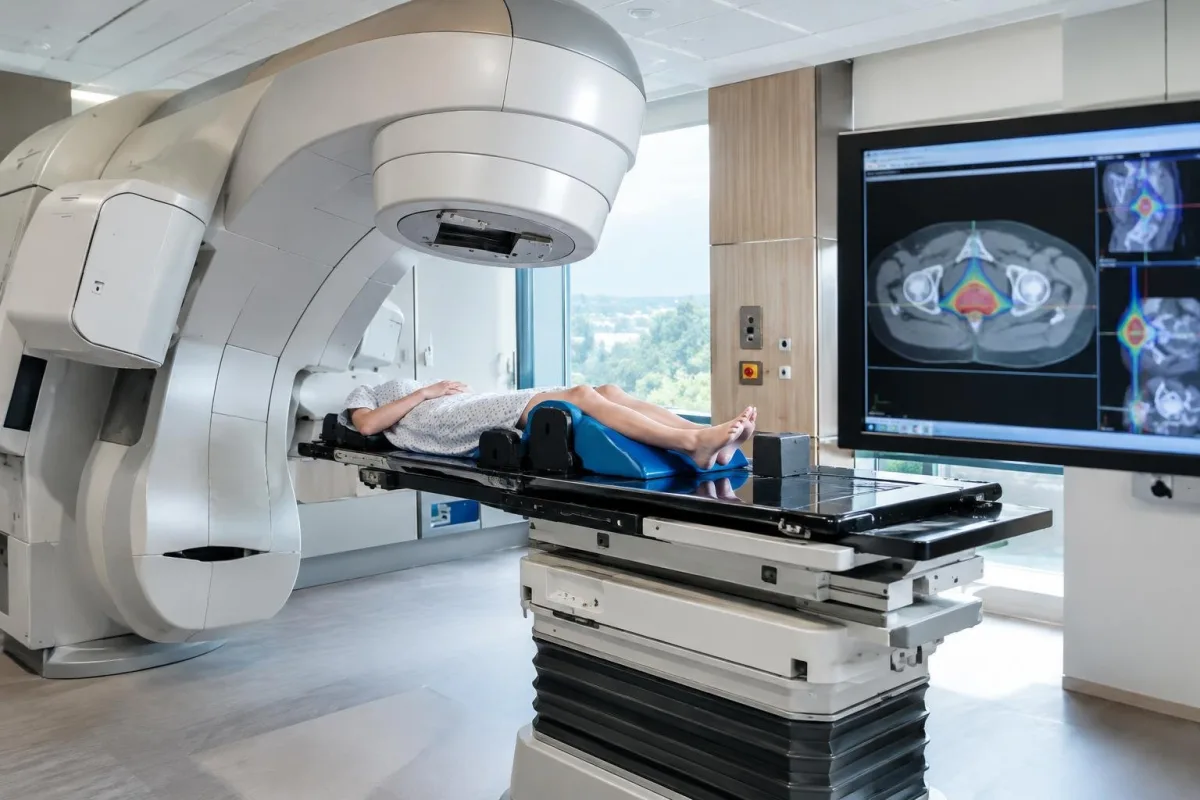
NEW DELHI, Nov 25: Pelvic radiotherapy for high-risk localized prostate cancer is linked to increased early bowel side effects, according to findings from the PACE-NODES trial. The study revealed that 28% of men receiving pelvic nodal treatment experienced grade 2 or worse gastrointestinal events, compared to 21.3% of those treated solely on the prostate.
The PACE-NODES trial, published in The Lancet Oncology, involved 1,166 men from 47 hospitals across the UK, Ireland, and New Zealand. Participants had a median age of 72.7 years and were assigned to receive either stereotactic body radiotherapy (SBRT) targeting the prostate alone or both the prostate and pelvic lymph nodes.
All participants were scheduled for at least 12 months of hormone therapy. Both treatment groups received SBRT in a five-fraction regimen, with the pelvic nodal group also receiving additional radiation to the pelvic lymph nodes. Although bowel and urinary side effects peaked at two weeks post-treatment, they were infrequent by week 12.
The early safety analysis included 555 patients receiving prostate-only SBRT and 511 receiving pelvic nodal SBRT. The 6.7 percentage point difference in gastrointestinal side effects was statistically significant, with a 95% confidence interval of 1.6 to 11.9 percentage points. Meanwhile, side effects related to urinary and genital function were seen in 35.8% of the pelvic nodal group and 40.2% of the prostate-only group, though this difference was not statistically conclusive.
Patient-reported outcomes indicated that 65.5% of respondents in the pelvic nodal group reported a meaningful decline in bowel function four weeks after treatment compared to 54.9% in the prostate-only group. No treatment-related deaths occurred during the trial.
The trial will continue to assess the long-term effects of the treatments and determine whether the benefits of pelvic nodal irradiation outweigh the additional bowel side effects. Researchers aim to establish the impact of this treatment on cancer control, focusing on time to biochemical or clinical failure.