
Apple iPhone 16e Sales Surge Despite Price Hike and Criticism
Apple’s latest iPhone 16e has defied expectations, selling 60% more units than its spiritual predecessor, the iPhone SE (2022), despite initial criticism over its high price and modest upgrades. According to a Bloomberg report, early sales data suggests that consumers are embracing the device, even as skeptics continue to question its value proposition.
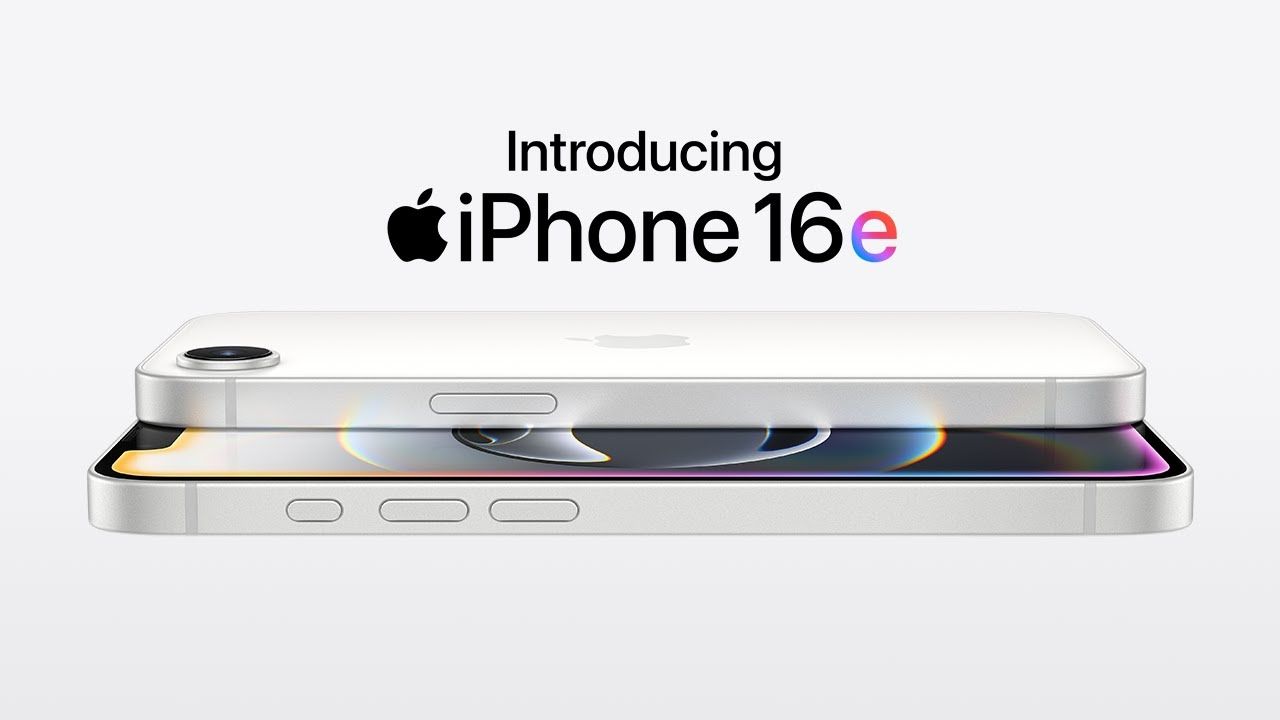

iPhone 16e: A Controversial Yet Popular Upgrade
When the iPhone 16e launched, many were quick to dismiss it as overpriced and underwhelming. Compared to the iPhone SE (2022), it comes with a steep $170 price increase, a single-lens camera, and an incremental hardware upgrade. However, despite these drawbacks, sales numbers tell a completely different story.
The iPhone 16e’s success can be attributed to a few key factors:
✔ Apple Intelligence Integration – The device offers limited access to AI-powered features, which could attract users wanting a taste of Apple’s latest innovations.
✔ More Modern Design & Display – While not revolutionary, the updated design and improved screen provide a noticeable aesthetic upgrade over the SE model.
✔ No Alternative in Apple’s Lineup – With the iPhone SE discontinued, the 16e is now the cheapest entry point into Apple’s ecosystem, leaving budget-conscious buyers with no other iPhone options.
Why Is the iPhone 16e Selling So Well?
Despite the backlash from critics, consumers seem unfazed by the price increase. Here are the top reasons behind the iPhone 16e’s unexpectedly strong demand:
1. No Other Affordable iPhone Option
With the iPhone SE no longer in production, the iPhone 16e becomes Apple’s most affordable offering. Many buyers who prefer iOS over Android have no choice but to go for the 16e if they want to stay within Apple’s ecosystem.
2. Strong Demand from Enterprise Customers
The iPhone 16e’s appeal isn’t just limited to individual consumers—it’s also becoming a popular choice for businesses. Many companies prefer iPhones for their security features, long software support, and seamless integration with existing Apple infrastructure. The 16e offers these benefits at a lower cost compared to other models, making it a lucrative enterprise option.
3. Upgraders Don’t See a Drastic Price Hike
For those upgrading from an older iPhone—especially the iPhone SE (2022) or even older models—the price increase might not feel too drastic. Since these users upgrade less frequently, they might be willing to pay more for a device that will last them several years.
A Strong Start, but Not Enough to Save Apple in China
While the iPhone 16e’s success is a positive sign for Apple, it’s unlikely to reverse the company’s declining fortunes in China. Apple has been losing market share rapidly in the region, facing increasing competition from Chinese smartphone giants like Huawei, Xiaomi, and Vivo.
Chinese consumers are turning to local brands, which now offer flagship-tier features at significantly lower prices. While the iPhone 16e may perform well in Western markets, its high price and lack of cutting-edge features make it a tough sell in China.

Bhupendra Singh Chundawat is a seasoned technology journalist with over 22 years of experience in the media industry. He specializes in covering the global technology landscape, with a deep focus on manufacturing trends and the geopolitical impact on tech companies. Currently serving as the Editor at Udaipur Kiran, his insights are shaped by decades of hands-on reporting and editorial leadership in the fast-evolving world of technology.