

Trump Delays Iran Strikes Just Before Deadline

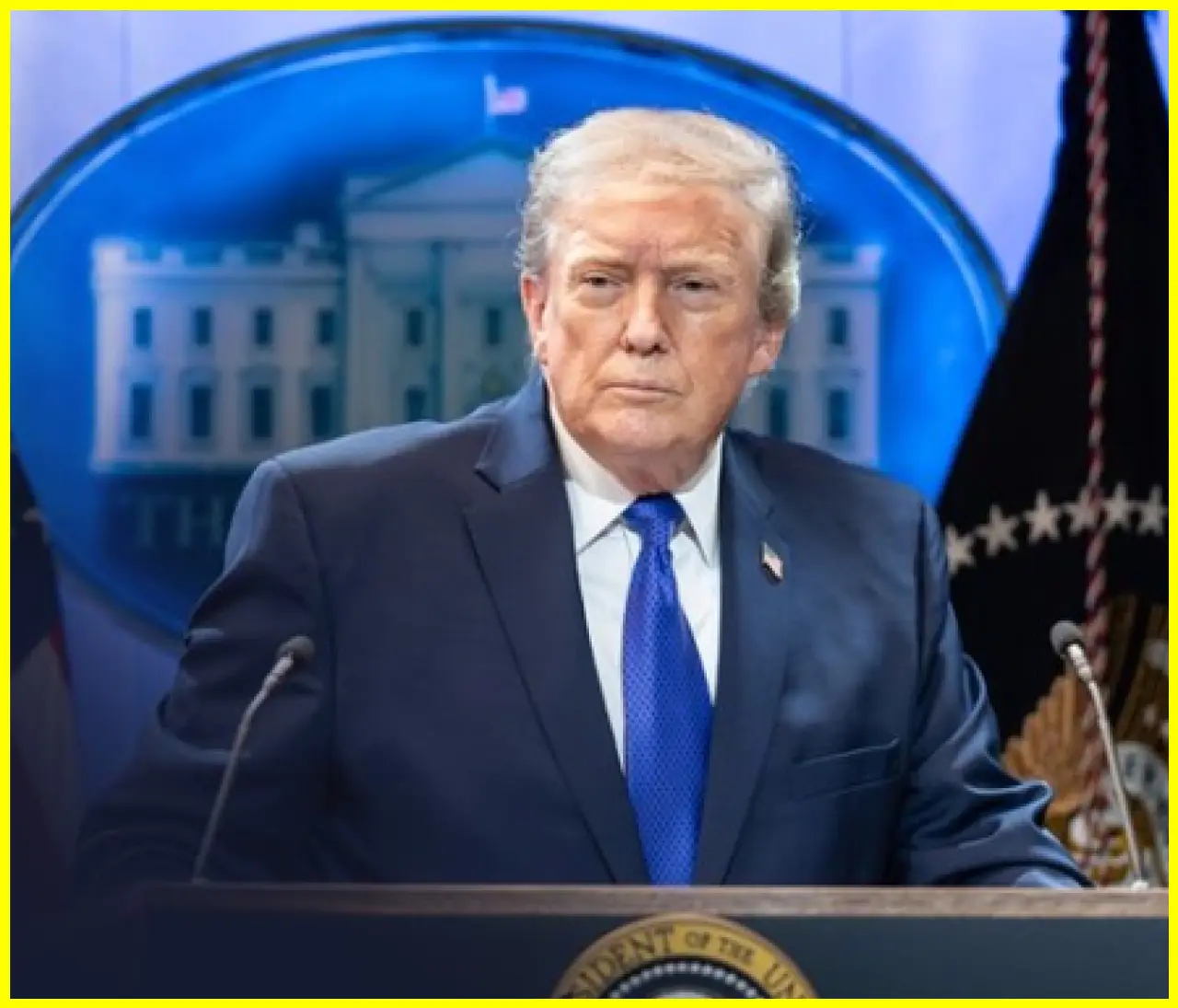
Washington, April 8: U.S. President Donald Trump has decided to postpone military strikes against Iran amid rising tensions. He announced that proposed attacks will be halted for two weeks, provided Iran agrees to reopen the Strait of Hormuz. This decision has brought significant relief to people worldwide.
The announcement came just 90 minutes before the deadline set by Trump at 8 PM (EST). During this time, behind-the-scenes negotiations took place with mediation from Pakistan.
Trump stated on the social media platform Truth Social that if Iran is willing to open this crucial maritime route, the U.S. will refrain from attacks for two weeks. He also mentioned that a sort of “mutual ceasefire” was achieved following discussions with Pakistan.
According to Trump, the U.S. has already accomplished its military objectives and has made substantial progress towards a long-term peace agreement with Iran. He revealed that Iran has proposed ten points for negotiation, which could advance discussions. Trump claimed that most of the previously contentious issues have reached consensus, and the two-week period is intended to finalize the agreement.
However, this ceasefire is not guaranteed. Trump clarified that it will only take effect if Iran agrees to reopen the Strait of Hormuz immediately and safely.
Iran has also shown initial signs of agreement. Foreign Minister Seyyed Abbas Araghchi stated that if attacks on Iran cease, its military will also halt its actions. He indicated that safe passage through this maritime route would be possible with coordination from Iran’s military and consideration of technical limitations over the next two weeks.
A White House official noted that Israel has also agreed to this two-week pause, although full details are yet to be disclosed. Prior to this announcement, tensions were high, with Trump warning that “a whole civilization could end tonight” if an agreement was not reached.
The Strait of Hormuz remains the focal point of this crisis. Its closure has impacted oil supply and driven prices up. A proposal to reopen the strait was introduced at the United Nations under Bahrain’s leadership but was vetoed by Russia and China.
The White House indicated that negotiations may continue but emphasized that “nothing is final until an announcement is made by the President or the White House.”
Despite the announcement, reports of missile and drone activity in parts of the Gulf region have raised questions about how the ceasefire will be implemented. The two-week period offers a limited opportunity for dialogue, with ongoing disagreements over sanctions, Iran’s nuclear program, and control of the Strait of Hormuz.
This conflict has been escalating over the past few weeks, with the U.S. and Israel conducting strikes on Iranian positions, increasing the risk of a larger war in the region. A significant portion of the world’s oil passes through the Strait of Hormuz.
This situation is also crucial for India, which heavily relies on oil from the Gulf region. Any disruption or tension in this route could directly impact India’s economy and strategic interests.

Bhupendra Singh Chundawat is a seasoned technology journalist with over 22 years of experience in the media industry. He specializes in covering the global technology landscape, with a deep focus on manufacturing trends and the geopolitical impact on tech companies. Currently serving as the Editor at Udaipur Kiran, his insights are shaped by decades of hands-on reporting and editorial leadership in the fast-evolving world of technology.