

Retirement Health Options for Railway Employees

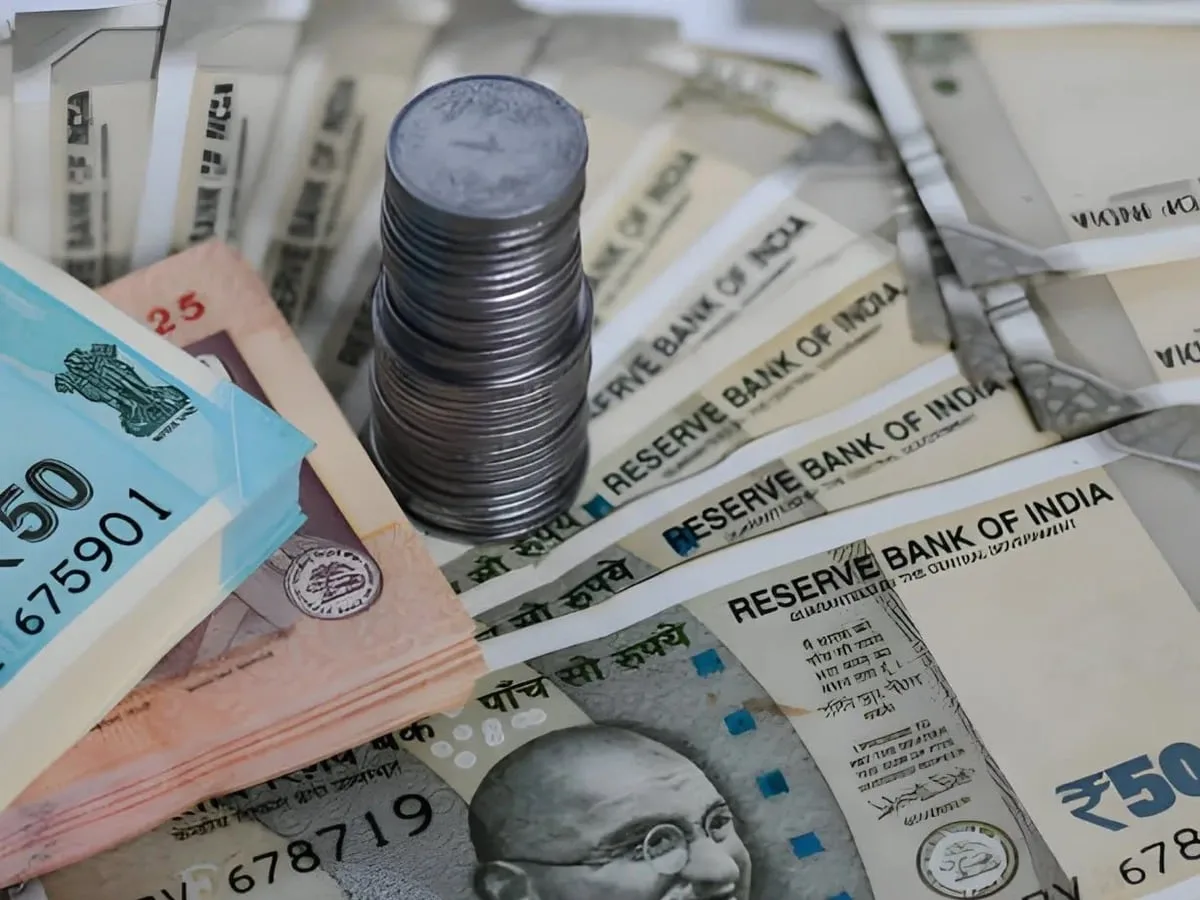
Mumbai, October 27: In a significant update for retired railway employees, the Railway Board has clarified options regarding health benefits under the Retired Employees Liberalized Health Scheme (RELHS). Employees must decide whether to opt for medical facilities or a fixed monthly medical allowance of ₹1,000 after retirement.
The Railway Board has provided answers to frequently asked questions about the scheme, detailing the process for enrollment, treatment in railway and private hospitals, emergency medical services, and essential information regarding the UMID card.
Retired employees have two choices: they can either avail medical facilities under RELHS without the ₹1,000 allowance, which offers lifelong medical benefits, including regular outpatient treatment at railway hospitals, or they can choose the allowance, which does not include regular outpatient treatment but may cover emergencies and certain pre-existing conditions.
For those residing in areas with railway medical facilities, opting for the medical benefits may be more advantageous, while those in rural areas without such facilities might find the allowance more beneficial. It is crucial to note that employees can switch between these options only once, so careful consideration is necessary.
To enroll in RELHS, employees must make a one-time contribution based on their last basic pay at retirement or the pay level as per the 7th Pay Commission. This amount is deducted from the retirement benefits or death-cum-retirement gratuity.
The Railway Board has advised employees to submit the RELHS option form to their personal branch about three months before retirement and ensure that all necessary contributions are made and the UMID card is issued. It is also recommended to include the names of eligible dependents in the UMID system and maintain accurate mobile numbers for communication.
Eligible beneficiaries can receive treatment at any railway hospital or health unit across the country. In emergencies, railway doctors can refer patients to other railway hospitals or listed private hospitals, with cashless treatment available under specific conditions. Claims for reimbursement must be submitted within six months of treatment completion.
Lastly, it is not mandatory to obtain a physical UMID card, as employees can log in via the HMIS app using their registered mobile numbers or print the card from the UMID portal. The Railway Board emphasizes that in case of any discrepancies, the relevant railway rules and policies will prevail.

Bhupendra Singh Chundawat is a seasoned technology journalist with over 22 years of experience in the media industry. He specializes in covering the global technology landscape, with a deep focus on manufacturing trends and the geopolitical impact on tech companies. Currently serving as the Editor at Udaipur Kiran, his insights are shaped by decades of hands-on reporting and editorial leadership in the fast-evolving world of technology.