

RBI Plans Pilot Project for Polymer ₹10 and ₹20 Notes

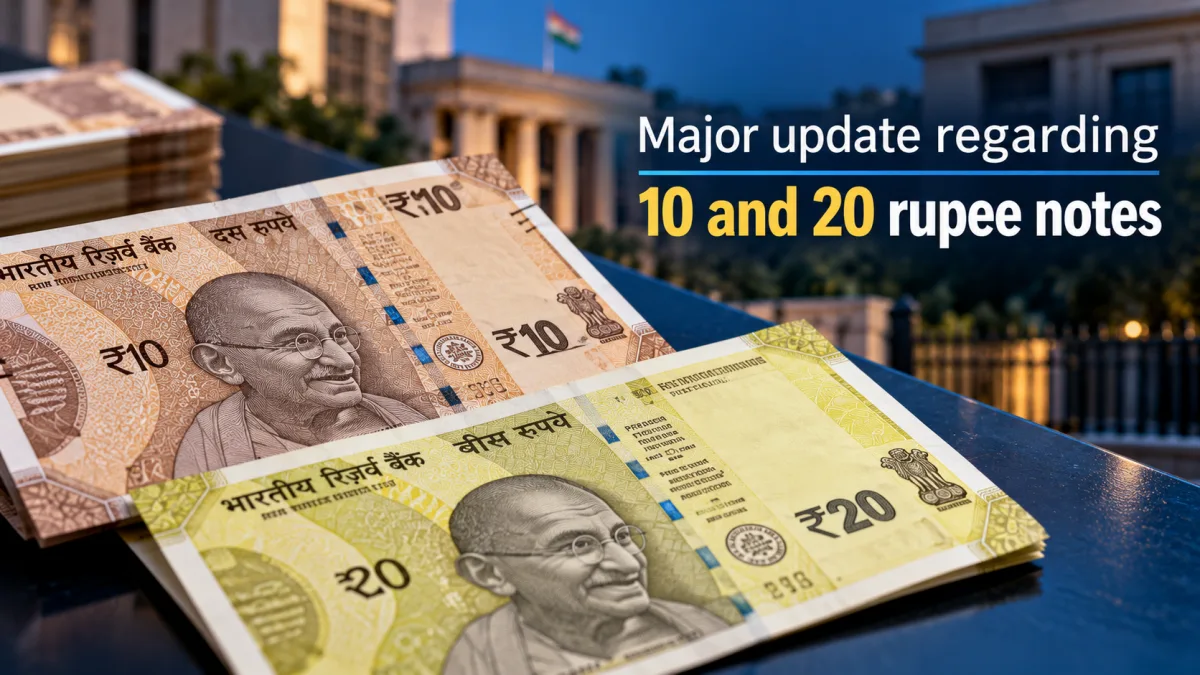
Mumbai, October 30: The Reserve Bank of India (RBI) is set to launch a pilot project for polymer ₹10 and ₹20 notes. These new notes will maintain the same size as the current ones, aiming to save banks from significant expenses related to ATM machine modifications. The initiative is expected to commence on April 1, 2027, as the RBI prepares for the rollout.
If the size of the new notes were different, banks would have to make extensive changes to their ATM machines, including adjustments to cash holding boxes, note recognition sensors, and machine settings. A senior official from a government bank indicated that keeping the note size unchanged could save banks millions of rupees in initial costs.
Previously, when ₹100 and ₹200 notes were introduced, the ATM industry incurred expenses of around ₹100 crores to modify approximately 2.4 lakh machines. For instance, if a bank operates 8,500 ATMs, the cost to reconfigure each machine could reach about ₹21.25 crores.
The RBI’s wholly-owned subsidiary, Bharatiya Reserve Bank Note Mudran Private Limited (BRBNMPL), is responsible for producing these polymer notes, with six companies already submitting bids, including Uflex, which has partnered with Spectra Systems from the USA.
The tender specifies a requirement for 68,000 reams of BOPP (Biaxially Oriented Polypropylene) material, with a special coating to ensure quality printing and ink adherence. Additionally, the material must not contain animal fat or DNA.
RBI Governor Sanjay Malhotra stated that polymer notes could last two to four times longer than traditional paper notes. Before a widespread release, field trials for one billion polymer notes will assess their durability under Indian weather conditions.
Countries like Australia, the UK, Canada, New Zealand, and Singapore already use polymer notes, with Australia being the first to introduce them in 1988. If the trials are successful, India may move towards a broader implementation of polymer currency.

Bhupendra Singh Chundawat is a seasoned technology journalist with over 22 years of experience in the media industry. He specializes in covering the global technology landscape, with a deep focus on manufacturing trends and the geopolitical impact on tech companies. Currently serving as the Editor at Udaipur Kiran, his insights are shaped by decades of hands-on reporting and editorial leadership in the fast-evolving world of technology.