

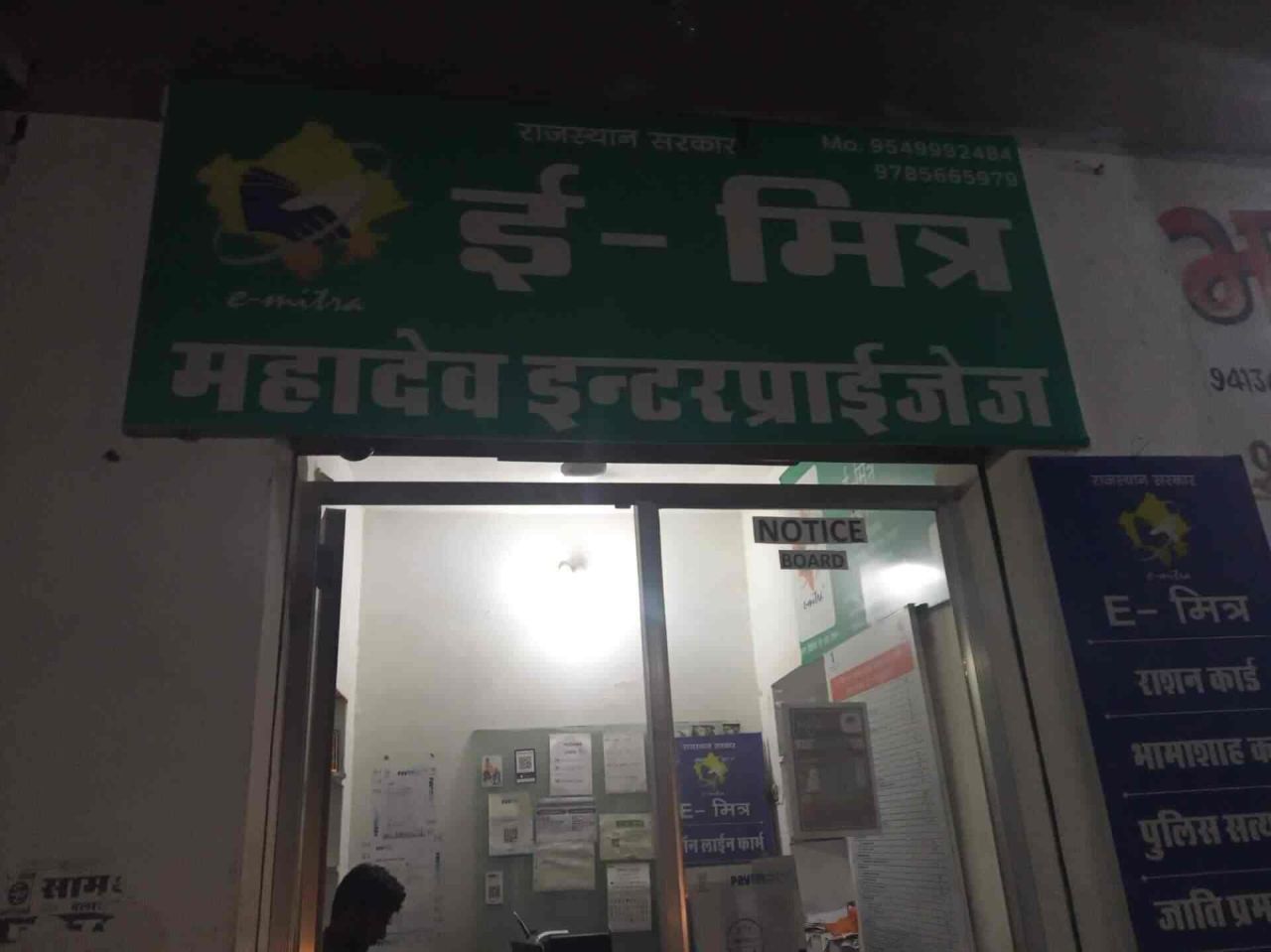
Ajmer, January 29 : The Rajasthan Public Service Commission (RPSC) has announced that E-Mitra centers and cyber cafes within a 100-meter radius of examination centers will remain closed during the Rajasthan State and Subordinate Services Combined Competitive Examination-2024 on February 2, 2024. The decision was made during a training session for officials, center supervisors, and monitoring teams, chaired by District Collector Lok Bandhu at the Secondary Education Board auditorium on Wednesday.

Strict Measures for a Fair Examination
Additional District Collector and Examination Nodal Officer Vandana Khorwal emphasized that the competitive examination will be held in a single shift from 12 PM to 3 PM across 127 exam centers. To ensure a smooth, fair, and transparent process, a training session was conducted, led by Nandkishore Prajapati, providing detailed guidelines to the exam administration team.
District Collector Lok Bandhu reiterated that the state government is committed to conducting the examination with integrity. Chief Minister Bhajanlal Sharma has also conducted a video conference (VC) with all district collectors and police superintendents to discuss the security and administrative measures. Strict action will be taken against any instances of negligence or malpractice during the examination.
Key Directives for Examination Centers
- Complete Ban on Electronic Devices
- Mobile phones and electronic gadgets are strictly prohibited inside exam centers.
- Even police personnel deployed at the centers will not be allowed to carry mobile phones.
- Staff members’ mobile phones will be switched off and sealed in lockers during the exam.
- Closure of E-Mitra Centers and Cyber Cafes
- All E-Mitra centers and cyber cafes within a 100-meter radius of exam centers will be shut down for the entire exam duration.
- This measure aims to prevent unauthorized access to digital resources that could aid in malpractice.
- Enhanced Security Checks
- Candidates and staff will undergo thorough frisking using Hand-Held Metal Detectors (HHMD) or Door Frame Metal Detectors (DFMD) before entering the exam center.
- Admit cards must include handwritten samples of the candidate’s signature in English and Hindi.
- Pre-Exam Center Inspection
- Examination centers will be opened two days prior to ensure all facilities and security arrangements are in place.
- Supervisors and institution heads have been instructed to conduct thorough pre-checks.
Exam Centers and Candidate Distribution
A total of 43,099 candidates will appear for the RAS Prelims 2024 across 127 exam centers in Ajmer district. The major allocation of candidates is as follows:
| Location | Total Exam Centers | Government Schools | Private Schools | Registered Candidates |
|---|---|---|---|---|
| Ajmer City | 102 | 32 | 70 | 35,184 |
| Kishangarh | 11 | 4 | 7 | 4,032 |
| Kekri | 14 | 5 | 9 | 3,883 |
To maintain strict surveillance, 43 sub-coordination teams and 22 vigilance squads have been deployed. Additionally, 50% of personnel at government centers and 75% of personnel at private centers will be from government service to ensure fair conduct.
Candidate Guidelines and Restrictions
- Candidates must wear simple winter clothing and shoes.
- Thorough security checks will be conducted before entry.
- Carbon copies of answer sheets must be retained until the selection process is complete.
- Use of white fluid (whitener) and correction pens is strictly prohibited.
Government’s Commitment to Transparent Exams
The Rajasthan government is leaving no stone unturned to ensure a smooth and corruption-free examination process. By implementing stringent security measures, banning electronic devices, and closing digital access points, the authorities aim to eliminate any chances of unfair practices.
With thousands of aspirants preparing for the RAS Exam, these proactive steps will ensure a fair selection process while maintaining the sanctity of the examination system.

Bhupendra Singh Chundawat is a seasoned technology journalist with over 22 years of experience in the media industry. He specializes in covering the global technology landscape, with a deep focus on manufacturing trends and the geopolitical impact on tech companies. Currently serving as the Editor at Udaipur Kiran, his insights are shaped by decades of hands-on reporting and editorial leadership in the fast-evolving world of technology.