Over 1.11 Crore Certified Under PMKVY, 24.38 Lakh Secured Jobs: Government

New Delhi, July 27: The central government informed Parliament on Monday that a total of 1.11 crore candidates have been certified under the Prime Minister’s Skill Development Scheme (PMKVY) from its version 1.0 to 3.0. Among these, 24.38 lakh candidates have reportedly secured employment through the short-term training component.
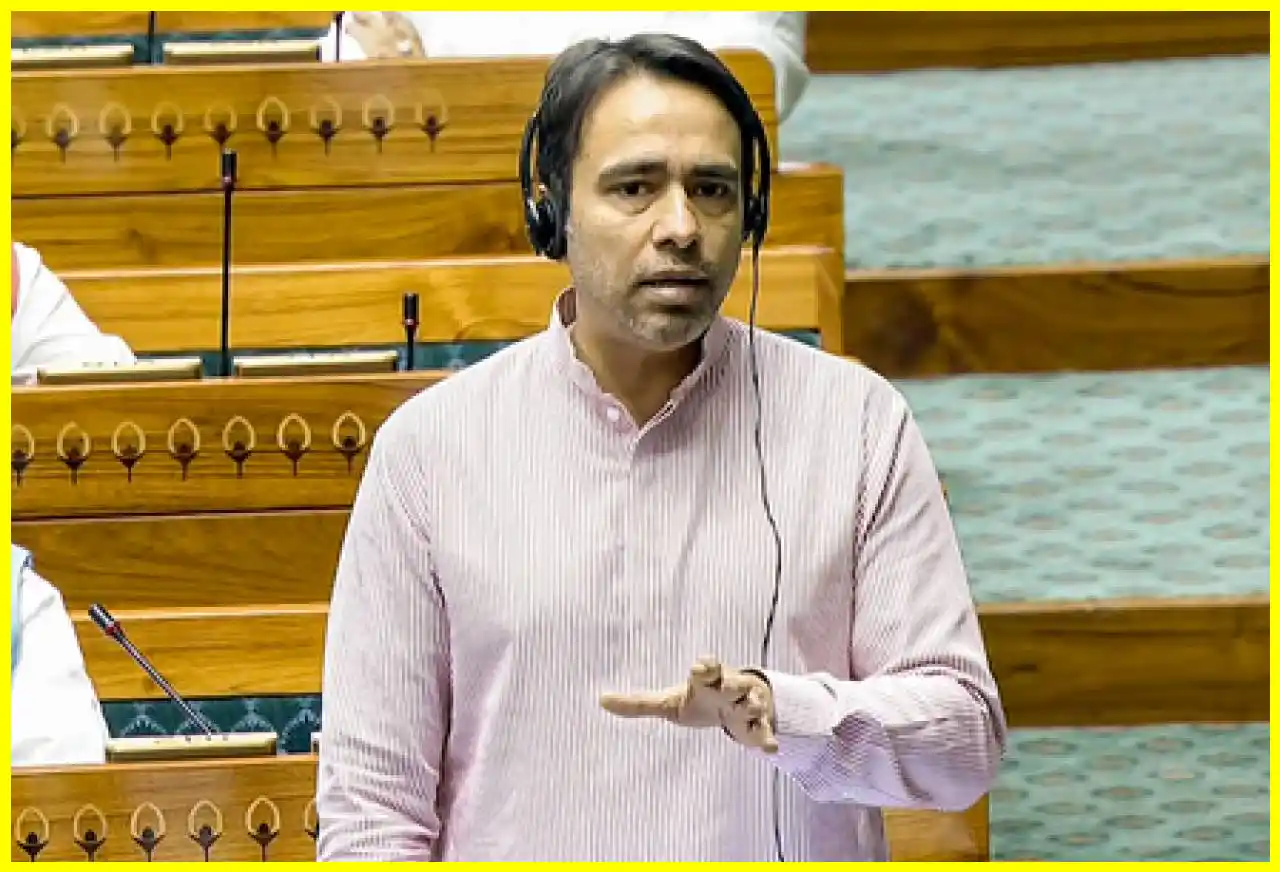
In a written response in the Lok Sabha, Minister of State for Skill Development and Entrepreneurship, Jayant Chaudhary, highlighted that PMKVY 4.0 focuses on empowering youth to choose various career options according to their preferences. Consequently, employment-related data is not monitored in this phase.
The government is providing training in skilling, re-skilling, and up-skilling through various initiatives, including the PMKVY, Jan Shikshan Sansthan, National Apprenticeship Promotion Scheme, and the Craftsman Training Scheme via Industrial Training Institutes (ITIs).
According to the government, these schemes aim to equip youth with skills aligned with industry needs and new technologies, preparing them for the evolving demands of the job market.
The PMKVY 4.0, implemented from the financial year 2022-23, emphasizes future technologies. Training is being provided in areas such as Artificial Intelligence (AI), Machine Learning, Robotics, Cloud Computing, Internet of Things (IoT), Data Analytics, Cybersecurity, and Green Technology.
The Directorate General of Training (DGT) under the Ministry of Skill Development and Entrepreneurship (MSDE) has developed 170 courses in line with the National Skill Qualification Framework (NSQF) under the Craftsman Training Scheme (CTS), including 32 courses related to new-age technologies and future skills. These courses are being conducted through a network of ITIs and National Skill Training Institutes (NSTIs) across the country.
The government also conducts skill gap studies periodically to assess the demand in various sectors and the employability of trained youth. Based on these studies, the government makes necessary adjustments to skill development programs to meet industry needs. Sector Skill Councils (SSCs) have conducted skill gap studies in various fields, including electronics, logistics, and advanced manufacturing, to evaluate human resource demand and availability.

My name is Ganpat Singh Choughan. I am an experienced content writer with 8 years of expertise in the field. Currently, I contribute to Udaipur Kiran & Daily Kiran, creating engaging and informative content across a variety of categories including technology, health, travel, education, and automobiles. My goal is to deliver accurate, insightful, and captivating information through my words to help readers stay informed and empowered.