

Nvidia’s RTX 5080 24 GB Launch Delayed as Partners Await Design Kits
Nvidia's RTX 5080 24 GB launch in January 2027 appears unlikely, with partners still lacking design kits for production.

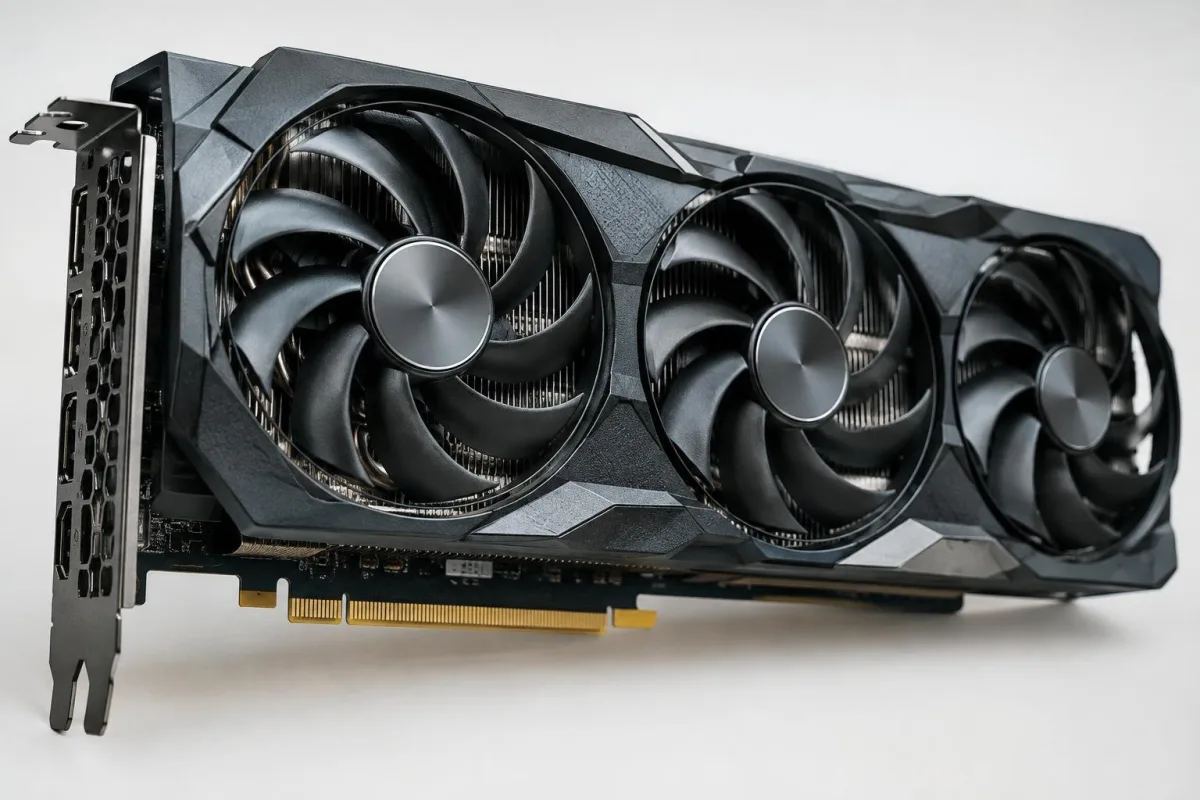
NEW DELHI, Nov 4: Nvidia’s anticipated RTX 5080 24 GB graphics card may not debut in January 2027 as previously expected, with board partners still awaiting crucial design kits. According to Benchlife, Nvidia did not provide these materials by the end of October, despite plans to distribute them that month.
Design kits are essential for manufacturers to finalize their development of circuit boards and cooling systems. A representative from a board partner explained that it typically takes at least six weeks to prepare a product for market after receiving the design specifications.
Earlier, there were indications that Nvidia might launch the RTX 5080 sooner, with some sources suggesting a December 2026 release. However, the absence of the design kits has cast doubt on that timeline. A more plausible scenario involves Nvidia unveiling the card at CES 2027, scheduled for January 6 to 9, with availability following weeks later.
The graphics card situation is further complicated by a widespread shortage of components, particularly PCBs, which are in high demand in the AI sector. Increased requests for these components have led to delays, and even if design kits arrive soon, the timeline for production remains tight.
Nvidia’s current RTX 5080 is already facing significant market pressures, with prices reaching over $2,000—double its original MSRP of $999. The price surge is attributed to limited supply and high demand, with conditions being similar in various markets.
As Nvidia prepares to shift focus from the 16 GB variant of the RTX 5080 to the new model, there may be supply gaps in high-end cards that could exacerbate pricing issues. Reports have indicated that production of the RTX 5090 is being halted while chips are reserved for professional-grade products.
While the RTX 5080 24 GB is expected to feature enhancements, such as increased memory from 16 GB to 24 GB, it remains uncertain whether this upgrade will significantly improve gaming performance. Additional memory may primarily benefit high-resolution tasks and isn’t expected to yield noticeable differences for most gaming applications.
In light of the current climate, potential buyers are advised to consider other options if they need a high-end graphics card immediately. For gamers, the 16 GB version is likely sufficient for their needs. However, those seeking advanced applications requiring more VRAM will need to remain patient, as prices may continue to rise in the interim.
Sources

Bhupendra Singh Chundawat is a seasoned technology journalist with over 22 years of experience in the media industry. He specializes in covering the global technology landscape, with a deep focus on manufacturing trends and the geopolitical impact on tech companies. Currently serving as the Editor at Udaipur Kiran, his insights are shaped by decades of hands-on reporting and editorial leadership in the fast-evolving world of technology.